Propane vs Natural Gas: Which Fuel Is Right for You?

When it comes to choosing a fuel for your home or business, the debate often comes down to propane vs natural gas. Both are widely used, clean-burning energy sources, but they differ in availability, cost, efficiency, and environmental impact. Whether you’re installing a heating system, fueling a grill, or running appliances, understanding how natural gas vs propane compares helps you make an informed decision. At LP Propane, we help you weigh the pros and cons so you can choose the fuel that fits your needs best.

Propane vs Natural Gas: Which Fuel Is Right for You? | LP Propane

Propane vs Natural Gas: The Key Comparisons

Though both fuels are used for similar purposes, propane and natural gas have important differences worth considering. Here’s how they compare across core features:

Energy Efficiency

Propane delivers more energy per unit than natural gas. Propane contains about 2,516 BTUs per cubic foot, while natural gas has roughly 1,030 BTUs. This means propane burns hotter and is more efficient per unit.

Fuel Delivery and Availability

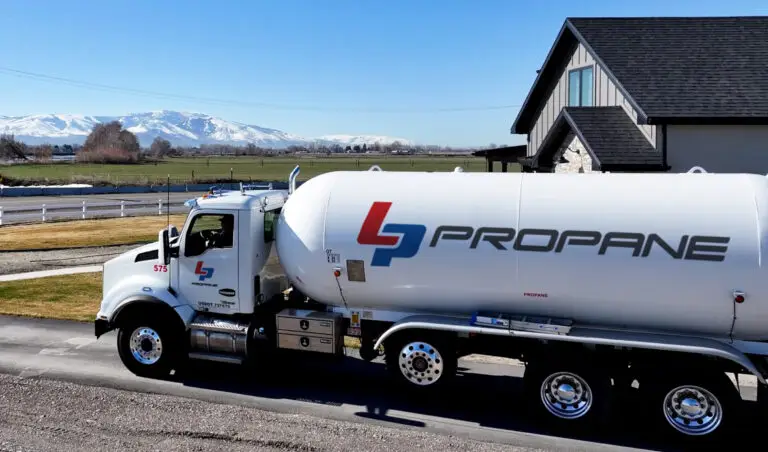
Natural gas is delivered via pipelines directly to your home or business, making it very convenient, but only if you’re in an area with access. Propane is stored in tanks on-site, offering flexibility in rural or off-grid areas.

Environmental Impact

Both fuels are cleaner-burning compared to coal or oil. Natural gas emits slightly less carbon dioxide when burned, but propane is non-toxic and doesn’t harm soil or water if leaked. Both are good options for eco-conscious users.

Cost Considerations

Natural gas is often cheaper per unit, but because propane burns hotter, you may use less of it to do the same job. Depending on your region, storage, and usage, propane may be more cost-effective in the long run.

Storage and Portability

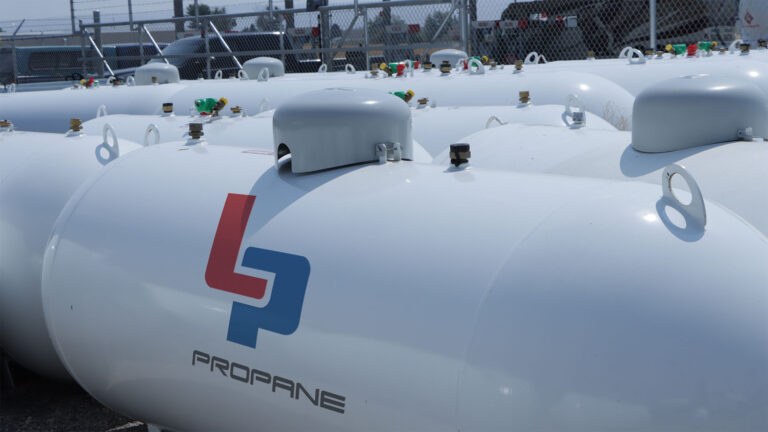
Propane is stored in portable tanks, allowing it to be used in locations without gas lines. Natural gas requires a fixed connection, which limits its use to areas with infrastructure.

Safety Factors

Both gases are highly flammable and require proper handling. Propane is heavier than air and settles in low areas, while natural gas rises. With proper installation and regular checks, both are safe and widely used.

Choose Smarter, Burn Cleaner, Propane or Natural Gas, the Right Fuel Powers It All.

When to Choose Propane

Propane may be the better choice depending on your lifestyle, location, or usage needs. Here’s why:

Ideal for Off-Grid Living

If you live in a rural or remote area without access to natural gas lines, propane is a reliable off-grid energy source that can power your home efficiently.

More Heat for Less

Since propane burns hotter than natural gas, it’s more efficient for heating your home, water, and appliances, meaning you use less fuel to get the same output.

Portability and Flexibility

Need to fuel outdoor equipment, RVs, or offsite machinery? Propane’s portability makes it the go-to option for mobile heating, cooking, and construction applications.

Better for Emergency Backups

During a gas line disruption or natural disaster, having a propane tank on your property gives you a self-contained energy source for backup power.

Clean-Burning and Versatile

From fireplaces to furnaces and grills, propane works with a wide range of residential and commercial appliances with low environmental impact.

Used in Commercial and Agricultural Settings

Propane is commonly used in agriculture for crop drying, water heating, and greenhouse operations, making it suitable for large-scale energy needs.

When to Choose Natural Gas

Connected Homes in Urban Areas

If your home is already hooked up to a natural gas line, using it for heating, hot water, and cooking is convenient and often cheaper.

Lower Fuel Costs in Some Areas

In regions where natural gas is abundant, it’s typically less expensive than propane on a per-unit basis.

No Need to Refill Tanks

Since natural gas is piped directly to your home, there’s no need to monitor or refill a tank. This offers peace of mind and lower maintenance.

Stable Supply

Natural gas supply is rarely disrupted, making it a dependable choice for daily household needs like cooking, laundry, and heating.

Integrated with Utility Billing

Natural gas use can be bundled into your home’s utility bills, simplifying your monthly expenses and making tracking easier.

Smaller Carbon Footprint

Although propane is cleaner than many fuels, natural gas has a slightly lower carbon emission rate per BTU burned.

Appliance Compatibility: What Works with What?

Understanding whether your appliances are compatible with propane or natural gas is essential before choosing a fuel.

Converting Appliances

Some appliances can be converted between propane and natural gas with the right conversion kits. Always use a certified professional for conversions.

Outdoor Equipment

Propane is commonly used in BBQ grills, patio heaters, and fire pits due to its portability. Natural gas works well for built-in outdoor kitchens connected to a main line.

Home Heating Systems

Both fuels can be used for furnaces, boilers, and water heaters. However, propane is generally more effective in colder climates due to its higher heat output.

Generators

Propane is a more popular option for backup generators due to its storability and easy access during emergencies.

Which Fuel Is More Cost-Efficient in the Long Run?

The cost-efficiency of natural gas vs propane depends on multiple factors including your location, appliance usage, and availability of infrastructure.

In many urban areas, natural gas tends to be cheaper and easier to manage due to fixed pipelines. However, propane offers better heating performance per gallon and is more efficient for certain high-BTU appliances. While natural gas has the edge in accessibility and continuous supply, propane may offer better control, portability, and energy density—especially in colder climates or rural settings.

LP Propane Can Help You Decide

Choosing between propane vs natural gas isn’t always straightforward. That’s why LP Propane is here to help. Our team can assess your property, energy needs, and existing systems to recommend the most suitable and cost-effective solution. Whether you’re installing a new system, upgrading appliances, or simply want to compare your options, we provide honest guidance backed by decades of experience.

We also offer complete propane services, from tank installation and refills to safety inspections and appliance support. If propane is the right fit for you, we’ll make sure your system is efficient, safe, and reliable.

Make the Right Choice for Your Home or Business

Whether you choose propane or natural gas, the most important thing is to select a fuel source that fits your energy needs, lifestyle, and location. Propane offers portability, higher energy output, and off-grid independence. Natural gas brings convenience, consistent supply, and cost savings in connected areas.

If you’re not sure which one is right for you, LP Propane is here to guide you every step of the way. Reach out to our team today for a personalized consultation and make your fuel decision with confidence.

BLAZING BLOGS

Propane vs Natural Gas: Which Fuel Is Right for You? | LP Propane

Top 5 Propane Industry Questions for 2026

Top 5 Propane Industry Questions for 2026 The propane industry is moving into 2026 with new challenges and opportunities. Changing customer expectations, digital buying habits, technology improvements, and energy conversations are shaping how propane businesses connect with their markets. Customers

Read More »
Propane vs Natural Gas: Which Fuel Is Right for You? | LP Propane

Understanding Propane Prices in 2026

Understanding Propane Prices in 2026 Propane prices in 2026 refer to the amount consumers pay for propane fuel based on supply, demand, production levels, weather patterns, storage availability, transportation costs, and energy market conditions. Propane prices in 2026 are an

Read More »

State Fair Giveaway

$500 Worth of Propane

Be one of the first 200 New Customers to sign-up until September 15th to get $500 worth of propane, FREE! You’ll also get 1 year free tank rental when you switch!

JOIN THE IGNITE PROGRAM

NEW CUSTOMER? Fill out the New Customer Application to join IGNITE.

Save $0.05 Per Gallon with the IGNITE Program Learn more!

This field is for validation purposes and should be left unchanged.
Name(Required)
Service Address(Required)
AAP Agreement(Required)
You will be contacted by a Customer Service Representative to obtain your credit card information.
Terms of Service(Required)

LP Propane Ignite Program – Terms and Conditions

1. Eligibility and Program Requirements
To qualify for and maintain enrollment in the LP Propane Ignite Program and receive the $0.05 per gallon fuel discount, the Customer must simultaneously enroll in and maintain active status in the following three core services:

Auto Fill Delivery: The Customer authorizes LP Propane to automatically monitor, schedule, and deliver propane to the designated tank when levels dictate, bypassing the standard Will Call scheduling requirements.

Auto Pay: The Customer must maintain a valid, authorized payment method on file (Credit Card, Debit Card, or ACH/Direct Draft). Invoices will be automatically drafted within 7 days after the delivery.

Paperless Billing: The Customer agrees to receive all invoices, statements, and program communications via email. Opting out of online billing or requesting paper statements will result in a $4.95 monthly fee and disqualification from the program.

2. Fuel Discount Terms

The $0.05 per gallon discount applies exclusively to the standard market rate of propane at the exact time of delivery.

The discount is applied automatically on invoice.

This discount cannot be combined with specific commercial contract pricing or volume discounts unless expressly authorized in writing by LP Propane.

3. Tank Monitoring and Delivery Access

LP Propane may utilize physical tank monitors or advanced usage-tracking algorithms to schedule deliveries.

Access Requirements: The Customer must ensure the propane tank is always completely accessible to delivery personnel and vehicles. The pathway must be free of obstacles, locked gates, debris, or unrestrained animals within a 100-foot radius.

Seasonal Maintenance: During winter months, the Customer is legally responsible for clearing snow, ice, and paths leading to the tank. If a delivery vehicle cannot safely access the tank, the delivery will be delayed, and any emergency filling fees incurred due to subsequent low fuel levels will be billed to the Customer.

4. Credit Status and Payment Failures

If an Auto Pay transaction is declined or fails for any reason (e.g., expired card, insufficient funds), the Customer must update their account billing details immediately. If the transaction remains unprocessed for 30 days despite attempts by LP Propane to contact the Customer, the account will be automatically unenrolled from the program.

If an account balance becomes past due, LP Propane reserves the right to suspend Auto Fill privileges, pause the $0.05 per gallon discount, and transition the account to a "Will Call / Cash on Delivery" basis until the account is brought current and after review and approval of LP Propane’s credit department.

5. Program Termination or Changes

Customer Termination: Removing any of the mandatory components (Auto Fill, Auto Pay, or Paperless Billing) constitutes voluntary termination from the program. If you would like to opt out of the Ignite program you must submit 30 day written notice

Company Modifications: LP Propane reserves the right to alter, modify, or terminate the Ignite Program framework, including discount amounts or underlying eligibility terms.

MM slash DD slash YYYY