Propane Safety for Restaurants and Food Trucks Review List and Protocols

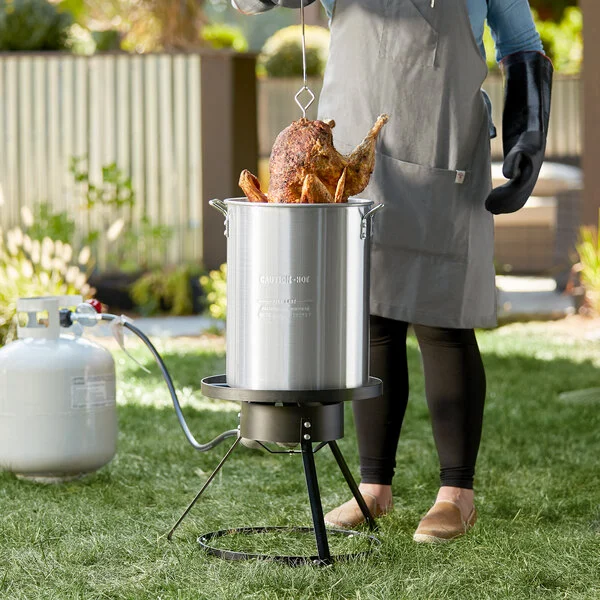
Propane Safety is among the most crucial aspects of running a commercial kitchen and a mobile food truck. Propane is highly efficient, economical, and easily transportable, and is a popular fuel choice for mobile and Restaurant vendors. Incorrect handling of propane can result in dangerous leaks, fires, and even explosions. Making sure propane is handled strictly and in accordance with safety regulations protects not only the company but also the safety of employees and customers.

The book includes everything from pre-operation checklists to daily procedures for service, emergencies, equipment, maintenance, and staff training. By following the steps listed below, you can establish a safe propane environment and ensure your kitchen meets the standards that keep it secure and compliant.

Propane Safety for Restaurants and Food Trucks Review List and Protocols | LP Propane

Pre-Operation Checklist (Before opening)

1. Visual Tank Inspection

Before beginning operations, check the propane tanks for damage and bulges. Reject or replace the damaged tank. Verify the date stamp on each tank, as propane tanks must be recertified every 10 years to remain in operational use.

2. The Regulator as well as the Hose Situation

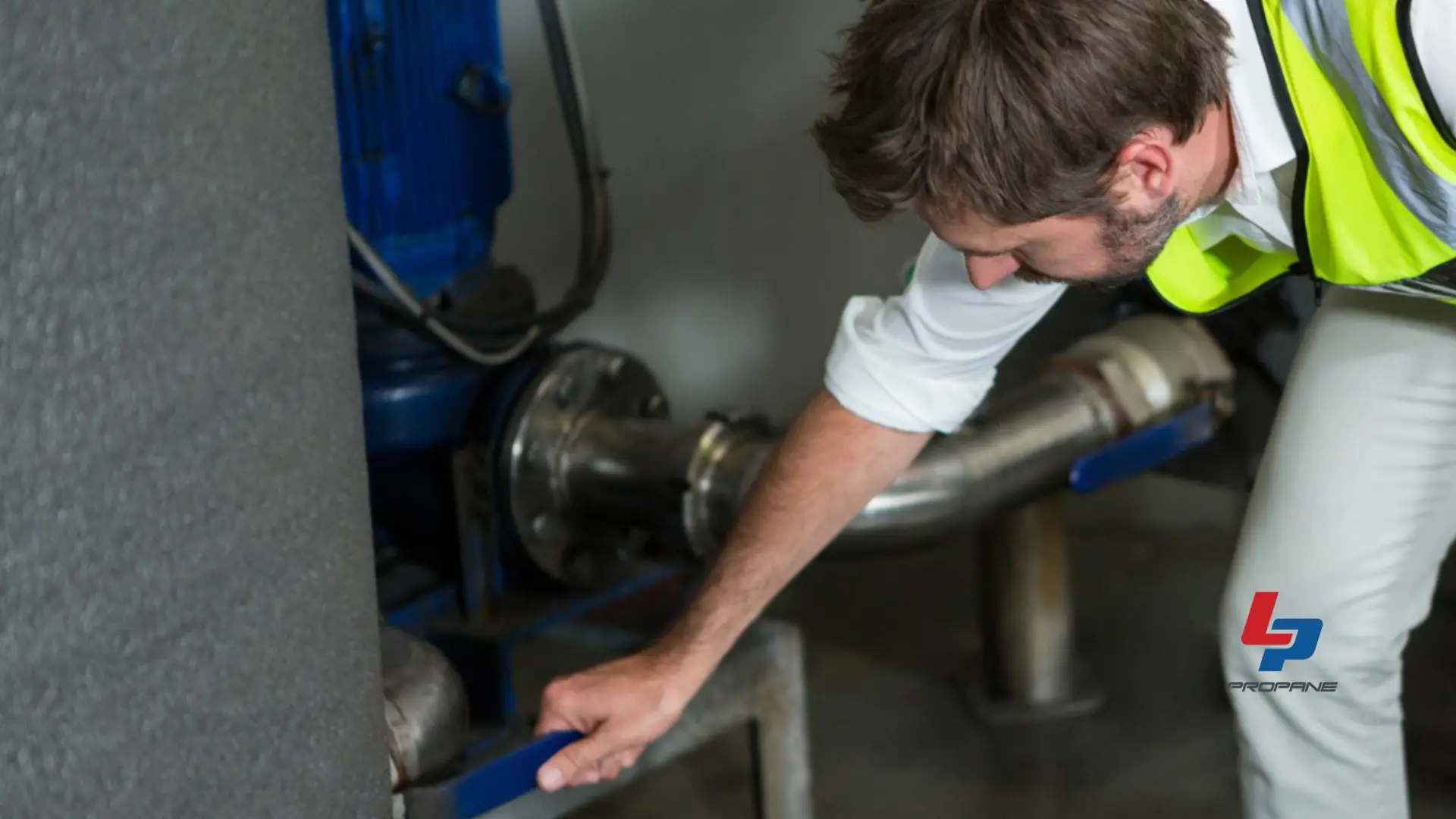
Damaged hoses can release gas without being noticed, particularly in loud kitchens. Repair any damaged components promptly with approved propane-rated components to prevent dangerous leaks.

3. Valve & Connection Tightness

Connections and valves should be fitted snugly; however, they should not be overtightened. Leaks from loose fittings can let gas out, and tight fittings can damage threads or rubber seals. Make sure you use the correct wrenches and follow the manufacturer’s torque recommendations. Don’t use any tools made for DIY or sealants for threads that are not approved for use with propane.

4. Leak Test (Soapy Water Method)

Mix dish soap and water, then apply it to the hose connectors, regulators, and valves. If you notice bubbles appearing, it indicates that gas is not flowing. This test can be carried out before each shift or after tank changes. Avoid using open flames or matches to detect leaks.

5. Proper Tank Placement & Securing

Place propane tanks upright on stable, level surfaces. When using food trucks, use chain or mounting brackets to prevent tipping during movement. Tanks must be at least 3 feet from grills, open flames, or electrical panels. Restaurants outside should have cages or barricades to shield tanks from damage or impacts.

6. Control of Ventilation

Place propane tanks upright on stable, level surfaces. When using food trucks, use chain or mounting brackets to prevent tipping during movement. Tanks mus

Keep the airways clear and conduct regular ventilation inspections, particularly on mobile equipment.

t be at least 3 feet from grills, open flames, or electrical panels. Restaurants outside should have cages or barricades to shield tanks from damage or impacts.

If you notice a propane smell, shut down all activity, turn off the gas, and then breathe immediately.

Daily Protocols during The Service

1. Pre-shift Orientation

Every day, start with quick safety meetings. Define roles, such as “propane monitor” to monitor tank levels and “safety lead” to assist in emergencies. Discuss any equipment problems from the preceding day. Once everyone understands their roles, the emergency can be addressed promptly and easily.

2. Monitor the fluctuations in pressure

Watch propane pressure gauges during service. An abrupt drop could indicate that the regulator is frozen or leaky. Pressure spikes can indicate a valve obstruction. Stable pressure is essential to ensure consistent burner performance and prevent combustion instability, which can result in carbon monoxide.

3. Tracking the Fuel Level

A mid-service interruption in propane supply disrupts operations and may damage burners. Make sure you keep a fuel log and fill tanks before they reach 20 percent. Food trucks should schedule refills outside of peak hours. Do not fill propane tanks beyond 80% to allow the gas to expand.

4. Make sure that ignition sources are controlled

Don’t smoke, weld, or operate electrical devices that could cause gas leaks to ignite nearby. Food truck owners should install spark arrestors on generator exhausts to prevent accidental ignition.

5. The Smoking No-Smoking Rules are enforced

Place “NO Smoking” notices in Storage spaces or refilling stations, as well as in food trucks. Make sure to enforce the rules strictly. Any cigarette that is lit in the vicinity of a leak can lead to tragedy.

6. Safe Refilling and Swapping Protocol

Only employees who have been trained can handle propane refills. Shut off all burners and electrical appliances before disconnecting or switching tanks. Be sure to check for leaks following the reconnection. Food trucks should be refilling outdoors, not in enclosed garages or near large crowds.

Emergency Response & Leak Procedures

1. Instant Shut-off Steps

If an odor of propane is observed (a stink of rotten eggs), immediately shut off the burners as well as the main gas supply at once. Get rid of employees, customers, and other non-essential personnel. Don’t use telephones, switches, or any other device that may spark until the room is cleared.

2. Emergency Plan for Evacuation and Muster Point

Create an assembly area at least 100 feet east of your truck or kitchen. Conduct mock drills every 3 months to ensure employees understand how to leave swiftly and safely. Food truck teams must have multiple exit routes planned due to changing locations.

3. Fire Extinguisher Choice & Location

Install a class B or ABC-rated extinguisher in the vicinity of the propane tank, as well as one near a kitchen exit instruct staff on how to use them. Short bursts of fire extinguishers are directed at the base of the fire while maintaining an appropriate distance.

4. What to call Emergency Services

If the leak can’t be shut off or if there are flames evident, contact the fire department right away. Get everyone out of the way and do not attempt to repair big leaks on your own. Inform the responders of the size of the propane tanks and their location.

5. Post-incident Lockout/Tagout

Following any leak or fire and before you restart your operations, make sure to wait until an expert technician has inspected every piece of equipment. Lockout labels should be placed on damaged equipment to ensure it is not used until approved by a professional.

6. Incident Documentation

Make detailed notes of every accident, including the time, cause, responsible party, corrective actions, and subsequent inspections. Accurate documentation not only enhances safety procedures but also safeguards against insurance claims.

Employee Training & Competence

Make propane safety a part of the induction process for new employees. Discuss how propane systems function as well as what warning indicators to look for, as well as the location where emergency shut-offs can be found. Hold regular safety meetings that cover the use of extinguishers, handling leaks, and evacuation procedures. Repeating the training will help you develop a natural response when faced with emergencies. Assign and instruct staff depending on their role. In the case of cooks, they should know how to spot leaks and take action, as well as managers who handle communications through emergency services. Encourage employees to complete approved propane-handling classes required by local authorities or the fire department. This improves the safety culture and the credibility of compliance. Conduct brief tests or drills to ensure that every employee can complete tasks safely, for example, leak tests and secure tank changes. Promote a culture of proactivity where employees can report incidents or dangerous behavior without fear reward employees who are safe to keep morale high.

Designs for Layouts and Ventilation Considerations

When space is available, place propane tanks outside in well-ventilated areas. Don’t place them in refrigerators, enclosed trailers, or basements. Place tanks on a firm, flat surface. Keep away from slopes where tanks may slide or move. For food trucks, install anti-shock brackets to prevent vibrations from damaging fittings. Since propane weighs more than air, it is more likely to sink into low places. Create flooring with a suitable slope and ensure vents or drains prevent gas buildup. Ensure the hoods and fans work efficiently. A balanced airflow reduces the risk of backdrafts and helps quickly dissipate propane. Use cages or barriers to shield tanks from collisions or from external heat sources. Food trucks need to maintain a minimum distance of 18 inches between tanks and hot equipment. Label the valves that shut off and ensure easy access for personnel and emergency responders. Label gas lines clearly using color-coded labels.

Regulatory Compliance & Insurance

Each state and municipality has particular propane Storage and use codes. Be familiar with NFPA 58 (Liquefied Petroleum Gas Code) and any other regional rules. Be sure to display the correct permits, and that licensed experts check tanks. Restaurants and truck owners should keep inspection certificates available. Follow all manufacturers’ specifications for installation and maintenance. Failure to comply will void the warranty and increase the risk of fire. Inform your insurance company about propane usage and safety precautions. This will help maintain current coverage and reduce premiums. Maintain physical and digital copies of security certifications, inspection logs, and records of staff training for use in audits. Food trucks should comply with DOT transportation regulations and local fire authority guidelines. Be sure to check compliance before entering new event zones.

BLAZING BLOGS

JOIN THE IGNITE PROGRAM

NEW CUSTOMER? Fill out the New Customer Application to join IGNITE.

Save $0.05 Per Gallon with the IGNITE Program Learn more!

This field is for validation purposes and should be left unchanged.
Name(Required)
Service Address(Required)
AAP Agreement(Required)
You will be contacted by a Customer Service Representative to obtain your credit card information.
MM slash DD slash YYYY

State Fair Giveaway

$500 Worth of Propane

Be one of the first 200 New Customers to sign-up until September 15th to get $500 worth of propane, FREE! You’ll also get 1 year free tank rental when you switch!