Propane in Agriculture 2.0: Technology Driving Farm Efficiency

Modern farming is pressed to move even faster and more productively and efficiently in a world that is full of unknowns about the next storm or market shift. The farms of today are not what they were without the infusion of various key technologies in keeping up the pace, and energy is playing an ever more integral role in all of this. Propane has proven its reliability for a very long time in farming as a source of fuel, but in Agriculture 2.0, it is more than just powering straightforward farm equipment.
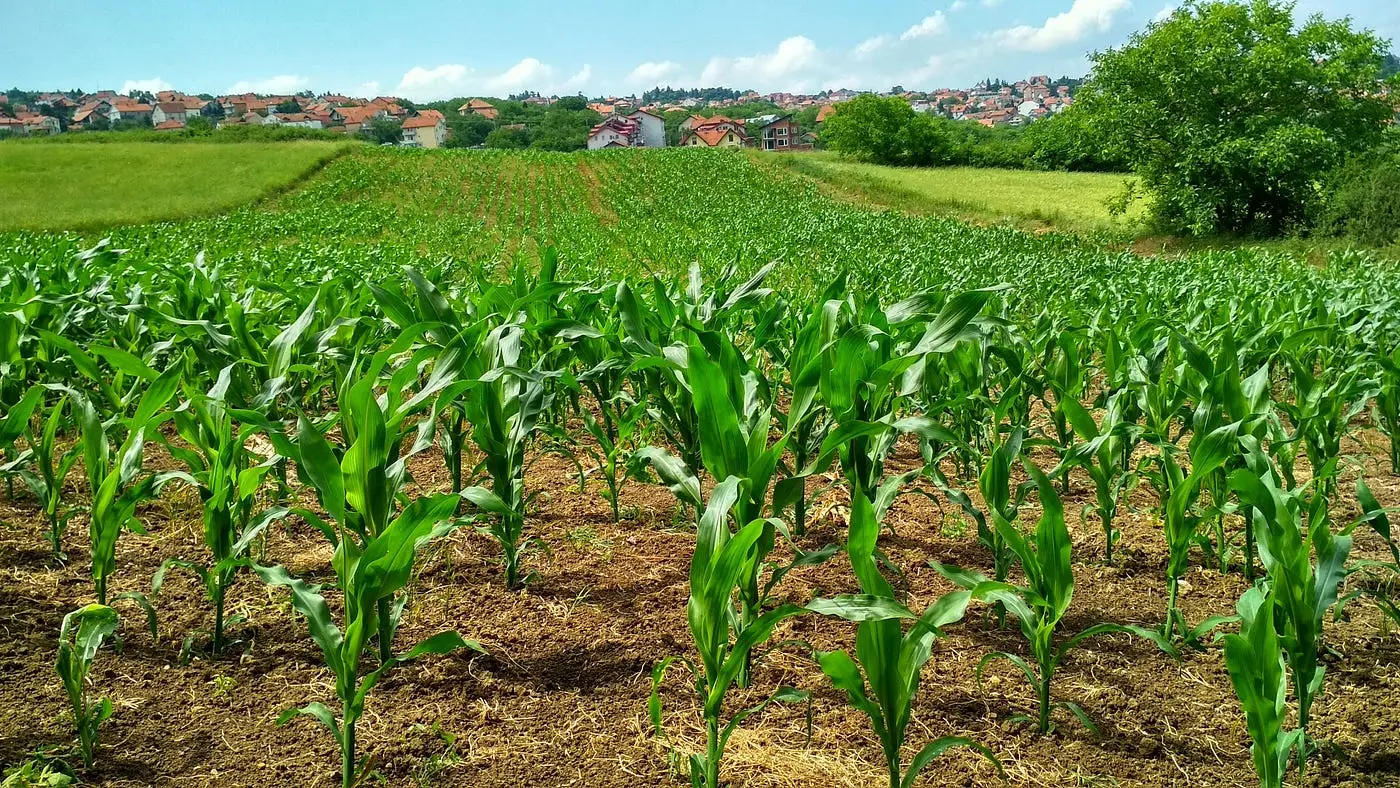
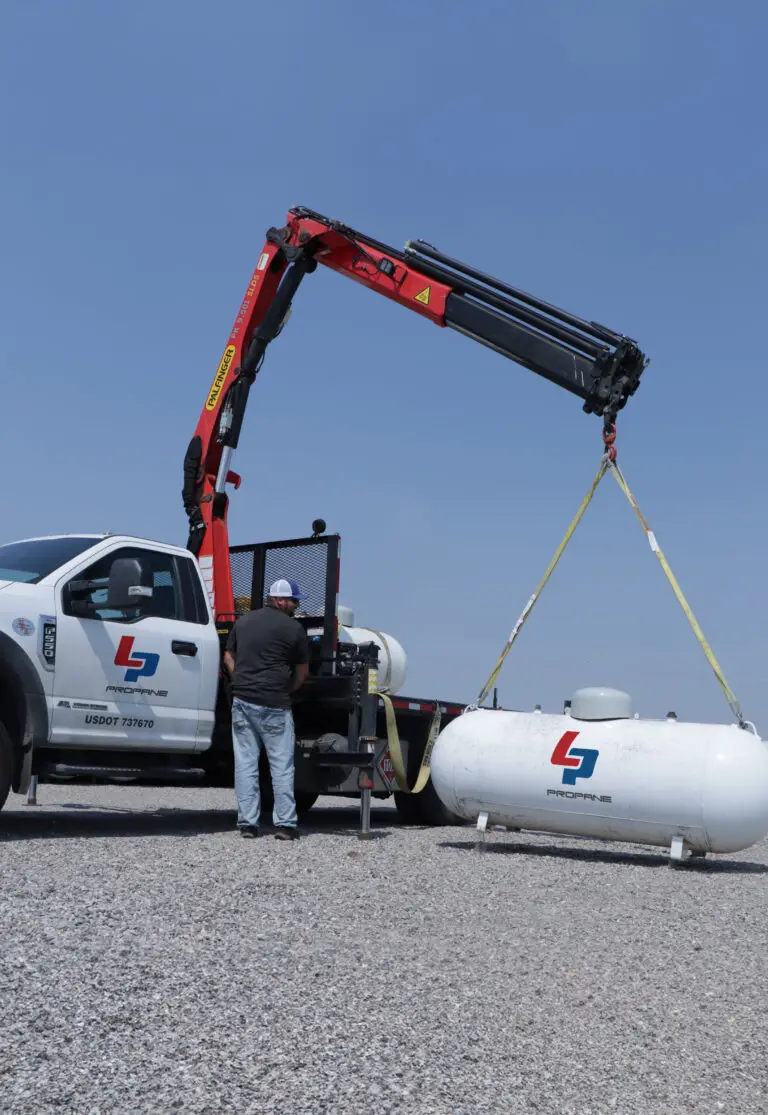
Propane in Agriculture 2.0: Technology Driving Farm Efficiency | LP Propane

The Reason for the Continued Relevance of Propane in Contemporary Agriculture

Reliable Energy for Critical Farm Operations

Farms need an energy source that can be used for the heating, drying, irrigation, and nurturing of crops and the nurturing of farm animals. Propane gives steady performance with the best end result in the most rural areas where the availability of electricity can be unreliable or simply not present.

Independence From the Electric Grid

Most of the farming processes are located far from the reach of the resilient power grid infrastructure. Another merit of using propane gas as a source of power in farms comes with the ability to be grid-independent.

High Energy Output for Demanding Applications

Other farm uses require very high heat or power. Propane is capable of achieving very high BTU delivery and is therefore suited for use in applications such as grain drying, heating greenhouses, and farm confinement.

Adaptability Across Farm Sizes

Propane systems are easily scalable from small family farms to commercial farming; one can adapt the tank or equipment size depending on his/her specific needs.

Consistent Performance in All Weather

Excessive temperatures, extreme cold, storms, or similar conditions can be problematic for electric power. Propane is not affected by seasons.

Long-term Fuel Stability

Propane does not deteriorate, and that means that it does not go stale with time. Farmers can, therefore, accumulate fuel before the peak periods without having to worry about losing the quality of the fuel.

From automation to productivity, propane moves farms forward.

Technologically Advanced Uses of Propane on the Farm Today

High-Tech Grain Drying Technologies

Modern propane-fired grain dryers incorporate temperature control and computer sensors to accurately indicate fuel consumption per bushel without compromising the quality of the harvested crop.

Smart Greenhouse Heating

Today, propane greenhouse environments can be interconnected with temperature controls where heating can be ratcheted up or down according to humidity, sun exposure, and crop requirements

Gas-Powered Irrigation Engines

The propane engines powering irrigation pump sets are more efficient, have far lower emissions, and are quieter compared to diesel-powered engines.

Climate Control in Animal Buildings

Automatic propane space heating systems may be used to regulate temperatures within barns and chicken houses to ensure proper animal health and productivity.

Weed Control and Flame Weeding Technology

This flame weeder powered by propane gas will help in the control of weeds without the use of pesticides, thus a helper in ecological farming.

Backup Power and On-site Generation

Providing power back-ups using propane, base systems would be able to function at all times during an outage and thus protect their crops, livestock, and products.

How Smart Propane Technology Improves Farm Efficiency

Remote Tank Level Monitoring

Smart sensors are used to check propane levels for end-users in real time to prevent estimating and thereby running out of this important fuel resource.

Automated Delivery Scheduling

Data-driven delivery programs make sure the propane supply comes based on consumption patterns and not based on estimates. This can help to minimize the incidence of emergency refills.

Usage Analytics for Better Planning

Therefore, farmers are able to identify trends in propane usage and implement certain necessary optimizations in equipment usage for optimal planning of fuel usage.

Farm Management Software Integration

Propane systems are now more integrated with farm management systems, thus improving coordination between operations.

Less Labour Need

This increases efficiency because it reduces manual checks and monitoring on the tanks, ensuring that human labor is directed to more fulfilling activities on the farm.

Predictability in Operations

More transparency with regard to the use of energy means fewer surprises and more efficient agriculture.

Propane’s Role in Reducing Farm Operating Costs

This is because energy is just one of the costs incurred in farms, and propane is one way of maintaining such costs at a manageable factor. The equipment running on propane is more economical compared to equipment running either diesel or gas when the cost of maintenance is factored in. The equipment will have lower maintenance costs compared to those powered by gas since it burns cleaner and will not affect the engine as much. There will even be fewer costs considering the fuel since smart monitoring ensures the fuel is only used where it is most needed and when needed.

Sustainability and Environmental Benefits for Modern Farms

Modern farms must meet new demands to be more sustainable, and propane helps with no loss of performance. Propane releases greenhouse gases at a lower rate than conventional fossil fuels and produces no particulate matter when it is burned. Using flame weed control can reduce reliance on chemical herbicides, which can harm soil quality. With a history of more propane from renewable sources than ever before, farms can certainly preserve their commitment to energy sustainability despite further preservation opportunities for the planet.

Safety, Reliability, and Compliance in Agriculture Settings

Issues relating to safety and regulations also matter in agricultural contexts and are considered when setting up gas propane systems. Modern technology for the use of propane has advanced safety shut-off systems and monitoring. This is because the storage containers for propane are designed to withstand adverse weather conditions. Another reason why propane is preferred is due to the predictable nature of propane and the standards for safety that have been put forward.

Powering the Next Generation of Agriculture

Agriculture 2.0 needs energy that is agile, efficient, and smart. This is where propane’s agility and intelligence, in addition to its dependability, make a world of difference to the farmer, who can enjoy numerous advantages. These may range from smart grain dryers to intelligent automatic tank level indicators to green products. These are only a few of the many advantages that propane can offer to the farmer to reduce his operating and environmental outgo by optimizing his agricultural enterprise. Propane is a trust-worthy counterpart to the farmer in his march to a brighter and tech-smart agricultural era.

BLAZING BLOGS

JOIN THE IGNITE PROGRAM

NEW CUSTOMER? Fill out the New Customer Application to join IGNITE.

Save $0.05 Per Gallon with the IGNITE Program Learn more!

This field is for validation purposes and should be left unchanged.
Name(Required)
Service Address(Required)
AAP Agreement(Required)
You will be contacted by a Customer Service Representative to obtain your credit card information.
MM slash DD slash YYYY

State Fair Giveaway

$500 Worth of Propane

Be one of the first 200 New Customers to sign-up until September 15th to get $500 worth of propane, FREE! You’ll also get 1 year free tank rental when you switch!