Propane Furnace vs. Electric Furnace: Which is Better Option?

Deciding between a propane furnace and an electric furnace depends on your regional winter climate, upfront equipment preferences, and access to local energy utilities. Propane furnaces burn liquid petroleum gas inside a sealed heat exchanger to generate fast, high-temperature heat, making them dependable systems for harsh northern freezes and rural homes off the municipal gas grid. Electric furnaces pass current through heavy resistance coils to warm passing air, eliminating combustion risks, exhaust vents, and external fuel storage tanks. While electric heating offers complete energy conversion at the unit, higher monthly electric utility demands often make it harder to heat large spaces in deep freezing zones. Comparing local fuel supply reliability, seasonal heating demands, and long-term operating practicalities reveals the ideal system for your property.

Propane Furnace vs. Electric Furnace: Which is Better Option? | LP Propane

How Both Systems Deliver Home Warmth

Heat Output and Temperature

Propane units blow air between 115°F and 125°F directly from supply registers, warming living spaces rapidly. Electric units push air between 95°F and 105°F, which warms rooms evenly but feels noticeably cooler to the touch. Burning gas creates immediate, intense thermal energy that satisfies thermostats quickly on freezing mornings.

Subzero Winter Heating Speed

Propane heaters recover indoor temperatures within minutes after an overnight thermostat setback, even during severe subzero weather. Electric resistance units take longer to bring cold rooms up to set temperatures because metal coils warm up gradually. Propane holds clear performance advantages during deep, extended cold snaps when quick heat recovery matters most.

Energy Efficiency Rating Factors

Electric furnaces carry a 100% Annual Fuel Utilization Efficiency rating because all incoming electrical power turns directly into usable heat. Modern condensing propane systems reach 90% to 98% efficiency, losing a small percentage of thermal energy through exterior exhaust venting. However, higher electric efficiency does not automatically mean lower utility bills during heavy winter usage.

Fuel Access and Reliability

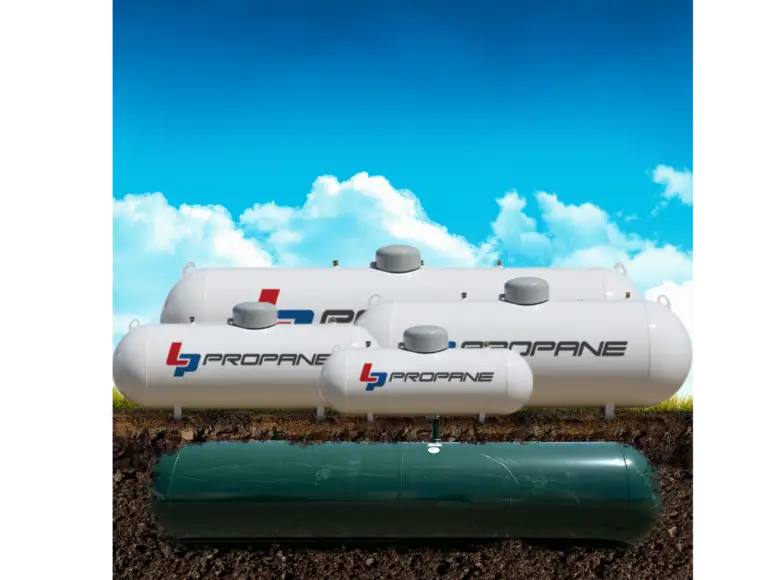
Propane systems require an on-site tank holding hundreds of gallons of liquid fuel, needing scheduled refills throughout the winter. Electric furnaces draw directly from municipal grid lines through a dedicated high-capacity circuit, requiring no fuel storage footprint. If winter storms knock down power lines, propane blowers run easily on small portable generators.

Emissions and Carbon Footprint

Electric furnaces produce zero direct on-site emissions, eliminating chimney flues and exhaust pipes entirely from your home perimeter. Propane burns cleanly relative to heating oil, though combustion still discharges modest amounts of carbon dioxide and water vapor outdoors. An electric furnace only runs as cleanly as the regional electrical grid that generates its power.

Combustion Safety and Air

Propane setups require sealed combustion chambers, venting inspections, and active carbon monoxide alarms to protect living spaces from exhaust gases. Electric furnaces present zero risk of carbon monoxide exposure or fuel leaks because they operate without open flame or fuel piping. For homeowners avoiding combustion hazards, electric heat delivers total peace of mind.

Instant propane warmth meets steady electric power

Evaluating Installation Demands and System Durability

Initial Setup and Placement

Electric furnaces feature compact cabinet designs that fit into tight utility closets, basements, or attics without requiring specialized floor reinforcement. Propane furnaces demand dedicated clearances around the cabinet for combustion air intake and venting access, requiring more physical space indoors. The overall layout of your utility room often dictates which unit fits without structural adjustments.

Venting and Electrical Needs

Installing an electric furnace requires a high-capacity electrical service panel with dedicated circuit breaker space to handle heavy heating amp draws. Propane furnaces require direct-vent PVC or metal piping through an exterior wall or roof to exhaust combustion gases safely outside. Homes with older electrical panels may require panel upgrades for electric heat, whereas propane requires pipefitting work.

Routine Seasonal System Maintenance

Propane heating systems require annual inspections by certified technicians to clean burners, inspect flame sensors, check gas pressure, and verify heat exchanger safety. Electric furnaces demand far simpler maintenance routines, typically requiring only regular return air filter changes every month or two. Avoiding complex annual burner tune-ups makes electric systems far easier for homeowners to manage independently.

Expected Equipment Service Lifespan

Electric furnaces regularly operate for twenty to thirty years because their internal construction consists of stationary heating coils and basic relays. Propane furnaces typically average fifteen to twenty years of service life because repeating heating cycles place heavy thermal stress on the heat exchanger. Over several decades, an electric furnace cabinet outlasts a fuel-burning combustion unit.

Mechanical Wear and Repairs

Propane units contain multiple mechanical and electromechanical components, including draft inducer fans, ignition controls, safety pressure switches, and gas valves. Electric cabinets feature fewer moving parts, relying primarily on sequencers, contactors, and resistance wire banks that experience minimal mechanical failure. When electrical parts fail, replacing individual contactors or sequencer relays is straightforward and quick.

Fuel Storage Space Requirements

Choosing propane requires dedicating outdoor yard space to set an above-ground or underground storage tank with clear clearance from property lines. Property owners must maintain an accessible driveway and path so bulk fuel delivery trucks can safely reach the fill valve in winter. Electric systems connect directly to existing utility drops, leaving your yard and landscaping completely untouched.

Matching Your Climate and Housing Needs

Freezing Northern Climate Homes

Northern residences experiencing sustained temperatures below freezing stay warmer and maintain indoor comfort better with propane heating systems. The hot discharge air rapidly offsets heat loss through exterior walls, large windows, and uninsulated crawlspaces. Running an electric resistance furnace in deep subzero weather forces heating elements to run almost continuously, putting severe demand on household utilities.

Moderate Southern Heating Needs

Homes across southern regions with short, mild heating seasons benefit most from the simplicity of electric furnaces. When heating equipment runs for only a few weeks each year, the higher hourly energy draw of electric resistance heating has little impact on annual expenses. Adding dedicated propane storage tanks and gas lines for occasional winter heating rarely makes practical sense.

Off-Grid Rural Properties

Rural homes situated beyond municipal natural gas lines rely on propane for dependable and self-contained heating security. Keeping an on-site fuel tank protects your household from regional infrastructure disruptions and severe seasonal weather events. When paired with a small backup generator, propane heat keeps living areas warm and plumbing pipes protected during winter power failures.

Rooftop Solar Panel Systems

Properties equipped with residential solar panel installations can offset the power draw of an electric furnace during bright daylight hours. When combined with local net metering credits, electric heating allows homeowners to heat their spaces using clean energy produced right on their roof. This setup reduces dependence on scheduled fuel deliveries and insulates households from seasonal fuel shortages.

Rental Property Maintenance Needs

Property managers and rental property owners frequently favor electric furnaces to eliminate combustion safety risks and remove carbon monoxide concerns for tenants. Electric systems contain fewer sensitive mechanical parts that trigger emergency service calls during freezing holiday weekends. Eliminating exterior fuel tanks also avoids tenant disagreements regarding tank refilling responsibilities and seasonal fuel balances.

Mountain Cabins and Getaways

Vacation cabins left unattended for weeks at a time benefit from the dependable operation of electric heating equipment. Electric systems remove the anxiety of running out of fuel when heavy mountain blizzards block roads and prevent fuel delivery trucks from arriving. Maintaining a continuous baseline thermostat setting keeps plumbing pipes from freezing without requiring anyone to monitor tank gauges.

Future Fuel Shifts and Market Trends

Propane availability and supply depend on broader energy production levels, export demands, and winter transportation logistics, which can cause seasonal supply changes. Electricity rates climb gradually over time as power utilities invest in grid modernizations, distribution upgrades, and renewable generation sources. In areas with higher regional electricity rates, heating with propane generally delivers lower monthly winter utility demands. Conversely, in territories with abundant and affordable public power, electric heating remains a practical, low-maintenance option that avoids the need for liquid fuel deliveries.

Cold Climate Heat Pumps as Alternatives

Automatic propane delivery can make fuel management easier for homeowners who do not want to monitor tank levels frequently. This service estimates refill timing based on previous usage, tank size, weather conditions, and seasonal demand patterns. Automatic delivery works especially well for homes that depend on propane heating because fuel needs can change quickly during winter. A colder-than-normal season may increase consumption, making regular monitoring more important. However, homeowners should still understand their propane usage habits and check tank levels occasionally. Knowing how much fuel your home typically uses helps you recognize unusual changes caused by new appliances, weather conditions, or household changes. Automatic delivery can also reduce the risk of emergency refills. By scheduling deliveries before the tank reaches a critical level, homeowners can maintain a steady fuel supply and avoid disruptions to heating and other propane-powered systems.

Making Your Final System Heating Decision

Select a propane furnace if you endure long, freezing winters, lack municipal natural gas access, and need rapid, high-temperature heat delivery to stay comfortable. Choose an electric furnace if you live in a mild climate, want simpler installation requirements, prioritize zero combustion risks, or already generate solar power on site. Take time to check your local utility options and fuel delivery suppliers to compare availability in your specific neighborhood. Finally, consult a qualified HVAC professional to calculate the exact heating load of your home before making an equipment purchase.

BLAZING BLOGS

Propane Furnace vs. Electric Furnace: Which is Better Option? | LP Propane

Smart Ways To Boost Propane Fuel Efficiency

Smart Ways To Boost Propane Fuel Efficiency Propane is a popular energy source for American homes because it provides reliable heating, cooking, and hot water solutions. However, many homeowners use more propane than necessary because of inefficient equipment, poor insulation,

Read More »

State Fair Giveaway

$500 Worth of Propane

Be one of the first 200 New Customers to sign-up until September 15th to get $500 worth of propane, FREE! You’ll also get 1 year free tank rental when you switch!

JOIN THE IGNITE PROGRAM

NEW CUSTOMER? Fill out the New Customer Application to join IGNITE.

Save $0.05 Per Gallon with the IGNITE Program Learn more!

This field is for validation purposes and should be left unchanged.
Name(Required)
Service Address(Required)
AAP Agreement(Required)
You will be contacted by a Customer Service Representative to obtain your credit card information.
Terms of Service(Required)

LP Propane Ignite Program – Terms and Conditions

1. Eligibility and Program Requirements
To qualify for and maintain enrollment in the LP Propane Ignite Program and receive the $0.05 per gallon fuel discount, the Customer must simultaneously enroll in and maintain active status in the following three core services:

Auto Fill Delivery: The Customer authorizes LP Propane to automatically monitor, schedule, and deliver propane to the designated tank when levels dictate, bypassing the standard Will Call scheduling requirements.

Auto Pay: The Customer must maintain a valid, authorized payment method on file (Credit Card, Debit Card, or ACH/Direct Draft). Invoices will be automatically drafted within 7 days after the delivery.

Paperless Billing: The Customer agrees to receive all invoices, statements, and program communications via email. Opting out of online billing or requesting paper statements will result in a $4.95 monthly fee and disqualification from the program.

2. Fuel Discount Terms

The $0.05 per gallon discount applies exclusively to the standard market rate of propane at the exact time of delivery.

The discount is applied automatically on invoice.

This discount cannot be combined with specific commercial contract pricing or volume discounts unless expressly authorized in writing by LP Propane.

3. Tank Monitoring and Delivery Access

LP Propane may utilize physical tank monitors or advanced usage-tracking algorithms to schedule deliveries.

Access Requirements: The Customer must ensure the propane tank is always completely accessible to delivery personnel and vehicles. The pathway must be free of obstacles, locked gates, debris, or unrestrained animals within a 100-foot radius.

Seasonal Maintenance: During winter months, the Customer is legally responsible for clearing snow, ice, and paths leading to the tank. If a delivery vehicle cannot safely access the tank, the delivery will be delayed, and any emergency filling fees incurred due to subsequent low fuel levels will be billed to the Customer.

4. Credit Status and Payment Failures

If an Auto Pay transaction is declined or fails for any reason (e.g., expired card, insufficient funds), the Customer must update their account billing details immediately. If the transaction remains unprocessed for 30 days despite attempts by LP Propane to contact the Customer, the account will be automatically unenrolled from the program.

If an account balance becomes past due, LP Propane reserves the right to suspend Auto Fill privileges, pause the $0.05 per gallon discount, and transition the account to a "Will Call / Cash on Delivery" basis until the account is brought current and after review and approval of LP Propane’s credit department.

5. Program Termination or Changes

Customer Termination: Removing any of the mandatory components (Auto Fill, Auto Pay, or Paperless Billing) constitutes voluntary termination from the program. If you would like to opt out of the Ignite program you must submit 30 day written notice

Company Modifications: LP Propane reserves the right to alter, modify, or terminate the Ignite Program framework, including discount amounts or underlying eligibility terms.

MM slash DD slash YYYY