Liquid Propane vs. Natural Gas: A Comparison for Homeowners

When selecting a source of energy to use in your home there is almost more than meets the eye to monthly utility bills. Both liquid propane and natural gas are used to power heating systems, water heaters, cooking appliances and generators but they vary in a considerable way regarding the way they are delivered, the way they work and the amount of control that the homeowners have on long term costs. It depends on location, climate, infrastructure and lifestyle, and as such, which fuel is most sensible. This knowledge of these differences enables the homeowners to move towards an energy solution, which will facilitate their comfort, reliability, and financial certainties in the years ahead.

Liquid Propane vs. Natural Gas: A Comparison for Homeowners | LP Propane

Availability and Access to Energy

Pipeline Dependence vs. On-Site Storage

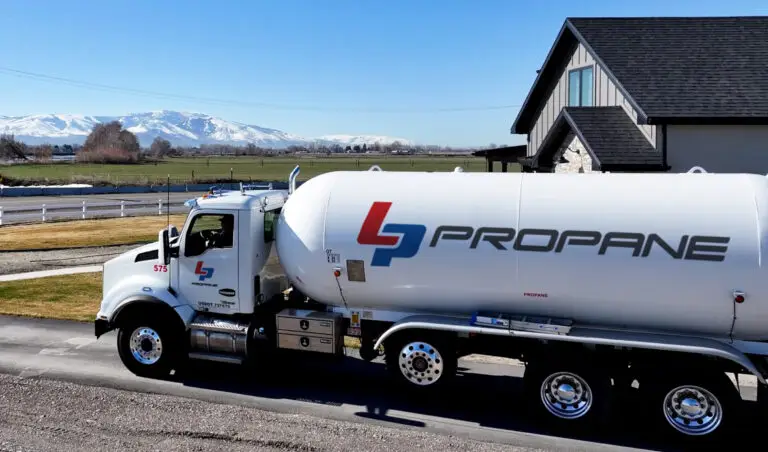
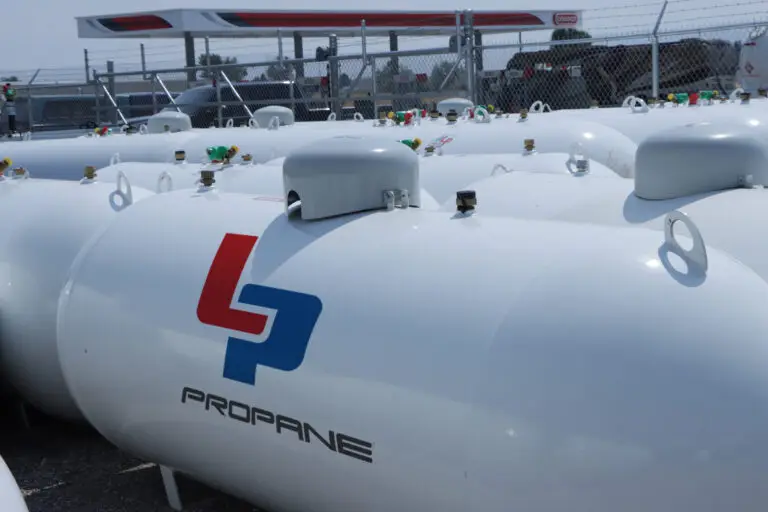
Natural gas is fully dependent on underground pipes through which the homes have to be connected to the centralized utility networks. In case a home is not connected, it can be inaccessible or not accessible. Propane on the other hand is delivered and stored at home in secure tanks and the homeowners are free to have their own fuel supply even without the utility lines.

Rural and Remote Home Accessibility

Lack of population density in many rural and semi-rural communities means that the natural gas pipelines are not available. Propane seals up this loophole as it provides homes with dependable energy no matter where in America they are located, hence it is an essential source of fuel to rural America.

Freedom From Utility Expansion Costs

It may be costly and time-consuming to have to extend natural gas lines to new places or individual homes. Propane systems do not incur such costs and hence, homeowners can install gas-powered appliances without the need to wait until there is expansion of infrastructure.

Reliability During Infrastructure Disruptions

Natural gas can be disrupted by pipeline repair, or building or construction work, or disruption of regional utilities. On-site storage of propane is also in place and accessible in times of disruption during utility systems.

Flexible Installation Options

Propane tanks can be either on top or underground based on property design as well as beautification. This is a flexibility that enables the home owners to incorporate the energy systems in his/her landscape.

Nationwide Distribution Network

Propane is also able to mitigate emissions without making significant upgrades to houses or companies as compared to infrastructure-intensive solutions.

From comfort to cost control, see how propane and natural gas really compare.

Performance and Efficiency in the Home

Greater Energy Content Per unit

Propane is richer in BTUs per cubic foot than natural gas which implies it generates more useful heat. This increased energy density is reflected in faster heating as well as efficiency of appliances.

Dependable Cold-Weather Performance

Propane systems will keep a steady output in the very cold weather as compared to natural gas systems that can have low pressure during peak winter. That is why propane will be particularly useful in colder climates.

Faster Water Heating

Propane water heaters normally have a higher rate of heating water compared to natural gas, hence, there would be less waiting time and this would guarantee the hot water to be flowing to the family even during peak hours.

Consistent Performance During Peak Demand

Propane water heaters normally have a higher rate of heating water compared to natural gas, hence, there would be less waiting time and this would guarantee the hot water to be flowing to the family even during peak hours.

Precision Cooking Control

Propane burns more and also reacts immediately to any change to give an accurate control of temperature during cooking. This is why it is a favorite among house cooks.

Reduced Appliance Runtime

Since propane is a good source of heat, the appliances need not run and consume as much energy and wear.

Cost Control and Long-Term Value

Installation and Startup Costs

Natural gas systems can be expensive to connect to utility and allow. Propane systems also entail the installation of tanks but do not incur the cost of extending the pipeline.

Seasonal Purchasing Flexibility

Propane can also be bought in the off-peak seasons when the price is lower and hence the homeowners can be able to plan their fuel expenses.

Budget Planning Options

Most propane suppliers have budgeting billing plans that balance their costs all over the year, and the household expenditure is easier to pay.

Protection From Utility Rate Fluctuations

Natural gas prices may vary in a month depending on the market requirements. The users of propane have more control because they can decide when and how much fuel to buy.

Avoidance of Emergency Charges

Propane homeowners may meet their demands during winter shortages without encountering emergency refill charges which take place in such shortages with proper monitoring and planning.

Long-Term Financial Predictability

Planning of refills, pricing lock-in and long storage offered fuel users greater financial stability.

Propane vs. Natural Gas for Rural Living

Propane may be the most feasible and reliable source of energy to rural homeowners. Natural gas is also not usually accessible in low density regions so propane is the main option when it comes to heating, cooking, and hot water. Onsite storage has led to the freedom of being free of utility systems that are far away and make homes comfortable even in times of storms or blackouts of the regions.

Which Fuel Fits Urban and Suburban Homes Best?

In cities and towns where pipelines already exist, natural gas is convenient and is widely available in the area. Nonetheless, propane remains an option to homeowners who demand more heat power, compatibility with standby generators, and protection against increased utility costs. A large number of suburban families are opting to use propane to have more flexibility in their energy utilization without compromising on comfort.

Energy Independence and Backup Power Capabilities

Propane is the best in terms of emergency preparedness. It drives standby generators, keeps running in times of electrical outage, and is on hand when the systems dependent on the grid become unavailable. Gas can feed generators in certain parts of the world; however, the stored propane will provide an additional sense of reliability in the event of long-lasting emergencies.

Choosing the Right Fuel for Comfort, Control, and Reliability

Both liquid propane and natural gas are effective sources of energy, but they fulfill various needs of the homeowner. Natural gas offers convenience where there is an infrastructure available, whereas propane offers better performance, increased accessibility, and control of the cost of energy. To homeowners that want to be reliable, flexible, and have long-term energy independence, particularly in cold-weather or country settings, propane can be a smart, future-friendly solution and a way to compromise comfort with confidence.

BLAZING BLOGS

JOIN THE IGNITE PROGRAM

NEW CUSTOMER? Fill out the New Customer Application to join IGNITE.

Save $0.05 Per Gallon with the IGNITE Program Learn more!

This field is for validation purposes and should be left unchanged.
Name(Required)
Service Address(Required)
AAP Agreement(Required)
You will be contacted by a Customer Service Representative to obtain your credit card information.
MM slash DD slash YYYY

State Fair Giveaway

$500 Worth of Propane

Be one of the first 200 New Customers to sign-up until September 15th to get $500 worth of propane, FREE! You’ll also get 1 year free tank rental when you switch!