How to Safely Decommission an Old Propane Tank: Step by Step

Propane tanks are meant to endure, but, as with everything, they too get worn out. Either because of age, damage, or a shift in fuel source, retirement of a propane tank needs to be accomplished safely. As compared to the rest of the home appliances, residual gas is left in propane tanks and must be handled carefully so as not to harm the environment, cause loss of property, or even serious injury. The following guidebook outlines step by step how to decommission a used propane tank safely in accordance with safety guidelines, the law, and the environment. 

How to Safely Decommission an Old Propane Tank: Step by Step | LP Propane

Preparation and Initial Safety Measures

Preparation is the key before the decommissioning procedure. Proper planning is what guarantees security and minimizes expensive errors.

Inspect the Tank Condition

Start by inspecting the tank thoroughly. For rust, dents, cracks, or any leak. A cracked or rusty tank is riskier to deal with and can be disposed of by professionals with DIY methods in a better way.

Verify Tank Ownership

If you have leased a tank, you cannot decommission it yourself. You have to phone your propane vendor because they are the ones who should take it out and get rid of it. For individual tanks, you may do what you please but must still follow regulations.

Contact Local Authorities

Prior to decommissioning, call local fire departments or building code offices. Propane tank disposal often has specific regulations for an area, such as permits or inspections prior to starting the process.

Plan a Safe Work Area

Clear the surrounding area of combustible materials, keep children and pets away, and ensure you’re working in an open, well-ventilated environment. Proper space and ventilation reduce risks of accidents.

Gather the Right Equipment

At a minimum, you’ll need safety gloves, protective eyewear, leak detection fluid, and tools for disconnecting fittings. Professional contractors often use specialized gas recovery tools that ensure safety.

Choose DIY or Professional Assistance

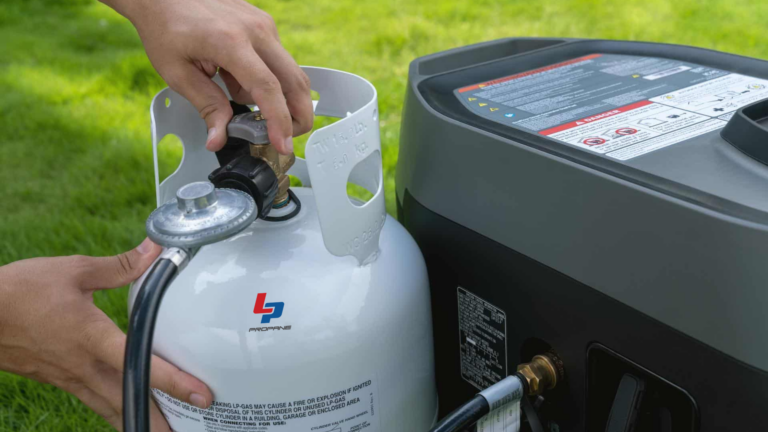
Small portable cylinders can be manipulated at home, but larger in-home tanks, like 250-gallon or 500-gallon tanks, must be dealt with by qualified technicians. The dangers of improper handling are well worth the cost savings.

Keep your property safe by handling old tanks the right way.

Safe Depressurization and Draining of the Tank

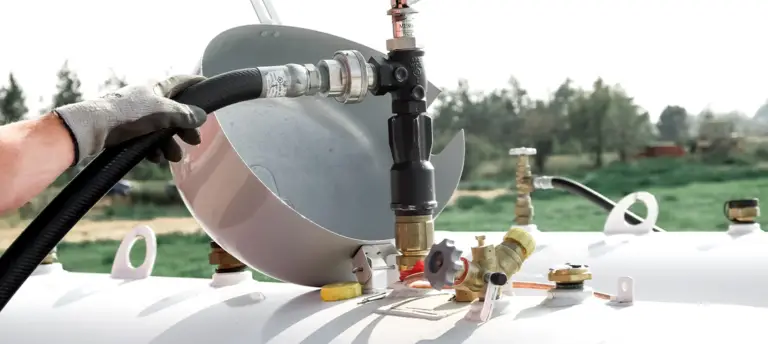
Treatment of propane waste in tanks is the second step. Tanks that are empty always contain vapors, and they are flammable and need to be handled carefully.

Appliance Disconnection

Deactivate all the appliances that have been attached to the tank and close the master supply valve. Ensure that there is no gas flow before decommissioning.

Burn Off Excess Fuel

The safest and most recommended use of propane is to combust it off using linked appliances like heaters or grills. This minimizes excess gas and waste of unused gas.

Vent Excess Vapors Safely

After liquid propane has been consumed, there are vapors left in the tank. Trained experts use flaring equipment to release these gases safely. It’s very dangerous to attempt this step without training.

Leaks Check

Operate through leak detection fluid prior to any of the remaining gas leaking. Bubbles within the solution are similar to leaks that must be repaired before proceeding.

Tank Fully Depressurized

Equipment such as propane vapor recovery units can be utilized to depressurize the tank completely. Provide employees with training for site recovery equipment handling, if applicable. This is an essential step prior to cutting, hauling, or recycling the tank.

Cap and Seal Openings

Depressurize and cap all fittings and valves to keep out contaminants and ensure safer transport.

Removing, Hauling, and Disposing of the Tank

Schedule Professional Hauling

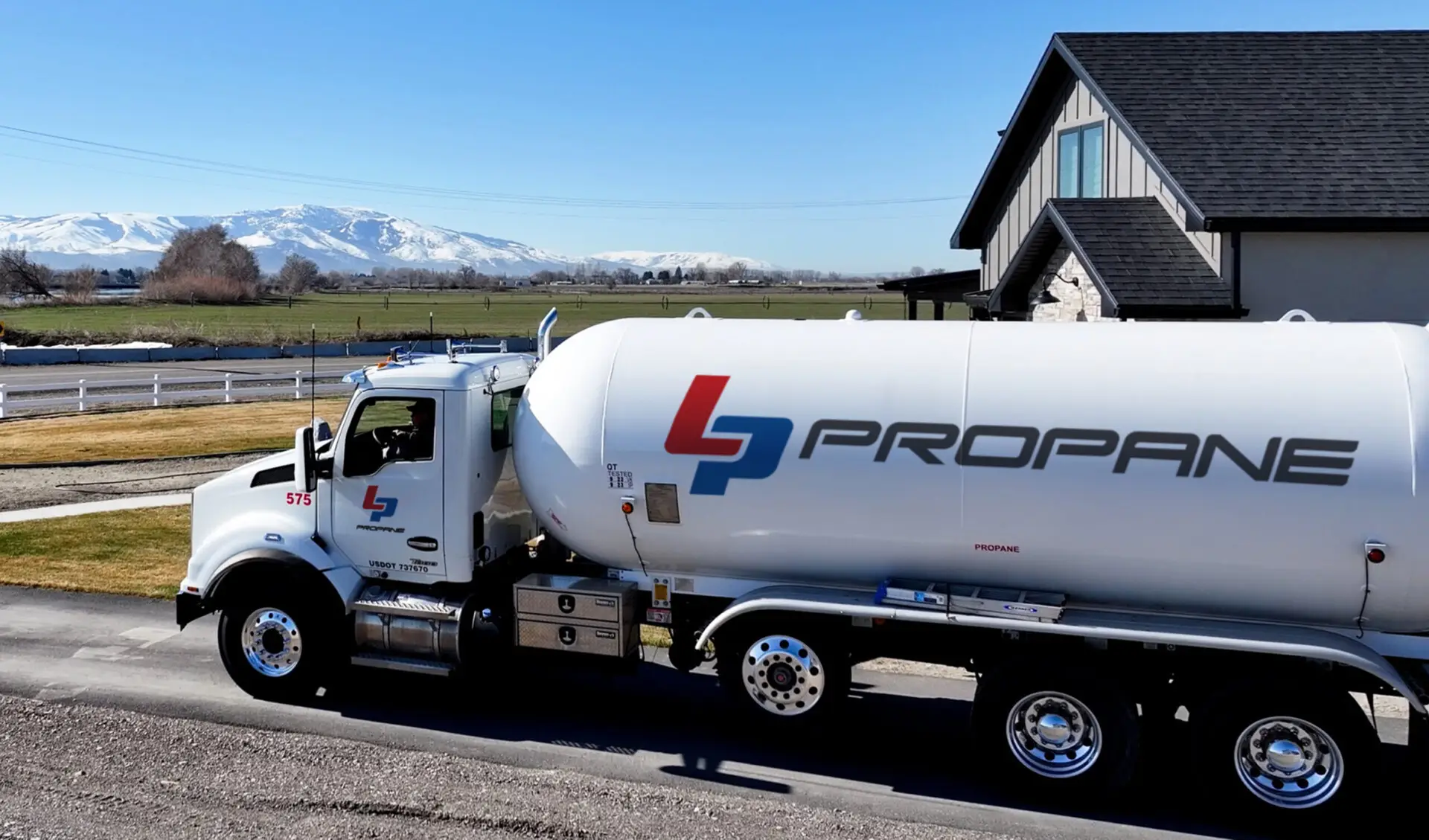
Propane tanks are heavy and cumbersome to move. Certified propane firms have cranes, trucks, and lifting gear with which to move tanks safely.

Abide by DOT and Local Transportation Regulations

There is transportation regulation of propane tanks in the United States and Canada. Tanks should be hauled upright, adequately labeled, and towed by licensed trucks when they are larger than specific sizes.

Recycling

Old propane tanks are normally made of steel, and steel is recyclable. Scrap lots and recycling centers will generally take them but only after they have been emptied and fully depressurized.

Hazardous Waste Facilities

Propane tanks can be hazardous waste only as a last resort. Look for local government websites for drop-off stations or special collection events.

Tank Repurposing Possibilities

There are tanks that can be recycled for non-fuel purposes like storage or even decoration. But these must be first opened and professionally cleaned to remove all the residue of gas.

Documentation and Proof of Disposal

Maintain safe disposal records. It is handy if your tank is leased or if you are disposing of property because it is evidence of safety compliance.

Environmental Impacts of Tank Decommissioning

Apart from safety, propane tank disposal also has an environmental aspect. Propane is clean to burn but is a greenhouse gas emission when emitted into the atmosphere. Steel tanks are also precious recyclable material. Decommissioning always must be performed with respect to avoiding leaks, recycling as a result of required environmental needs. Homeowners look for safety and sustainability by proper disposal.

Legal and Regulatory Requirements

The decommissioning of propane tanks is not merely a question of functional safety, there’s regulation and law involved. Both the United States and Canada have national fire, environmental protection, and transport codes that govern. There can be further requirements in local building codes. Being in non-compliance can lead to fines or liability in case an accident occurs. Always double-check what the rules are locally prior to acting, and in this instance, employ skilled propane specialists with a basic knowledge of the rules already. 

A Safe Conclusion to Your Propane Tank

Neglecting a used propane tank is all about responsible planning, technical expertise, and strict adherence to safety. From determining the condition of the tank right through to depressurizing, shipping, and recycling, each stage needs to be approached responsibly. Homeowners who attempt to save money doing it themselves will risk disaster, harm the environment, and even end up in court. For small tanks, do-it-yourself disposal is fine if you play it safe, but big tanks always indicate professional hands. If you do the proper steps and adhere to safety codes, you can retire your old propane tank safely while safeguarding your loved ones, property, and environment. 

BLAZING BLOGS

How to Safely Decommission an Old Propane Tank: Step by Step | LP Propane

Top 5 Propane Industry Questions for 2026

Top 5 Propane Industry Questions for 2026 The propane industry is moving into 2026 with new challenges and opportunities. Changing customer expectations, digital buying habits, technology improvements, and energy conversations are shaping how propane businesses connect with their markets. Customers

Read More »
How to Safely Decommission an Old Propane Tank: Step by Step | LP Propane

Understanding Propane Prices in 2026

Understanding Propane Prices in 2026 Propane prices in 2026 refer to the amount consumers pay for propane fuel based on supply, demand, production levels, weather patterns, storage availability, transportation costs, and energy market conditions. Propane prices in 2026 are an

Read More »

State Fair Giveaway

$500 Worth of Propane

Be one of the first 200 New Customers to sign-up until September 15th to get $500 worth of propane, FREE! You’ll also get 1 year free tank rental when you switch!

JOIN THE IGNITE PROGRAM

NEW CUSTOMER? Fill out the New Customer Application to join IGNITE.

Save $0.05 Per Gallon with the IGNITE Program Learn more!

This field is for validation purposes and should be left unchanged.
Name(Required)
Service Address(Required)
AAP Agreement(Required)
You will be contacted by a Customer Service Representative to obtain your credit card information.
Terms of Service(Required)

LP Propane Ignite Program – Terms and Conditions

1. Eligibility and Program Requirements
To qualify for and maintain enrollment in the LP Propane Ignite Program and receive the $0.05 per gallon fuel discount, the Customer must simultaneously enroll in and maintain active status in the following three core services:

Auto Fill Delivery: The Customer authorizes LP Propane to automatically monitor, schedule, and deliver propane to the designated tank when levels dictate, bypassing the standard Will Call scheduling requirements.

Auto Pay: The Customer must maintain a valid, authorized payment method on file (Credit Card, Debit Card, or ACH/Direct Draft). Invoices will be automatically drafted within 7 days after the delivery.

Paperless Billing: The Customer agrees to receive all invoices, statements, and program communications via email. Opting out of online billing or requesting paper statements will result in a $4.95 monthly fee and disqualification from the program.

2. Fuel Discount Terms

The $0.05 per gallon discount applies exclusively to the standard market rate of propane at the exact time of delivery.

The discount is applied automatically on invoice.

This discount cannot be combined with specific commercial contract pricing or volume discounts unless expressly authorized in writing by LP Propane.

3. Tank Monitoring and Delivery Access

LP Propane may utilize physical tank monitors or advanced usage-tracking algorithms to schedule deliveries.

Access Requirements: The Customer must ensure the propane tank is always completely accessible to delivery personnel and vehicles. The pathway must be free of obstacles, locked gates, debris, or unrestrained animals within a 100-foot radius.

Seasonal Maintenance: During winter months, the Customer is legally responsible for clearing snow, ice, and paths leading to the tank. If a delivery vehicle cannot safely access the tank, the delivery will be delayed, and any emergency filling fees incurred due to subsequent low fuel levels will be billed to the Customer.

4. Credit Status and Payment Failures

If an Auto Pay transaction is declined or fails for any reason (e.g., expired card, insufficient funds), the Customer must update their account billing details immediately. If the transaction remains unprocessed for 30 days despite attempts by LP Propane to contact the Customer, the account will be automatically unenrolled from the program.

If an account balance becomes past due, LP Propane reserves the right to suspend Auto Fill privileges, pause the $0.05 per gallon discount, and transition the account to a "Will Call / Cash on Delivery" basis until the account is brought current and after review and approval of LP Propane’s credit department.

5. Program Termination or Changes

Customer Termination: Removing any of the mandatory components (Auto Fill, Auto Pay, or Paperless Billing) constitutes voluntary termination from the program. If you would like to opt out of the Ignite program you must submit 30 day written notice

Company Modifications: LP Propane reserves the right to alter, modify, or terminate the Ignite Program framework, including discount amounts or underlying eligibility terms.

MM slash DD slash YYYY