How Propane Irrigation Pump Engines Support Modern Farming

Among the other components of successful farming, efficient irrigation is one of the most important. From row crops and vegetables, to orchards and vineyards and specialty crops, producers rely on irrigated water to be available when crops are in need. Many irrigation systems have a reliable power supply, which pumps water during the entire growing season. Propane-powered irrigation pump engines offer a practical and reliable solution to irrigation power for many agricultural operations. Propane irrigation pump engines are used to power irrigation pumps that move water from wells, ponds, reservoirs, rivers, or other approved water sources to agricultural fields. Propane is flexible to have on-site and can be delivered when required, which is helpful for farms that may not have utility services or may have limited availability. Each farm operation has different irrigation needs depending on the crop, acreage, climate, soil type and water supplies. The selection of an appropriate power source depends upon reliability, fuel availability, maintenance requirements, and overall power operation objectives. Propane is one of several energy options that farmers may consider depending on their specific operation.

How Propane Irrigation Pump Engines Support Modern Farming | LP Propane

How Propane Irrigation Pump Engines Benefit Agricultural Operations

Dependable Power for Irrigation

Propane-powered engines provide a dependable energy source for irrigation pumps, helping move water where it is needed across the farm. Consistent irrigation schedules are based on reliable engine performance. Efficient field operation is related to well-maintained equipment.

On-Site Fuel Storage

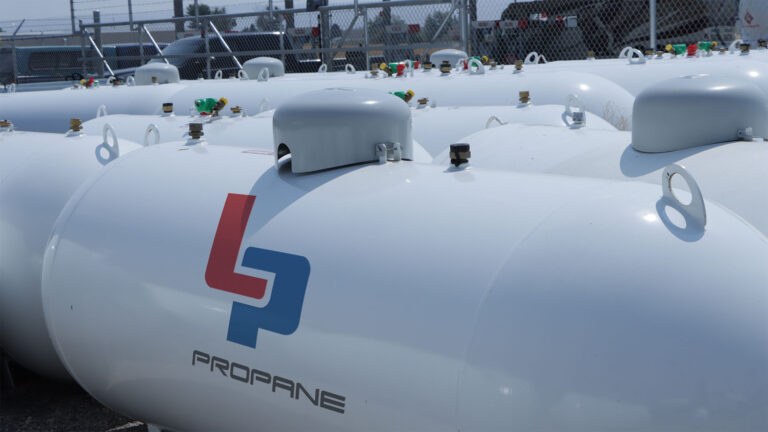
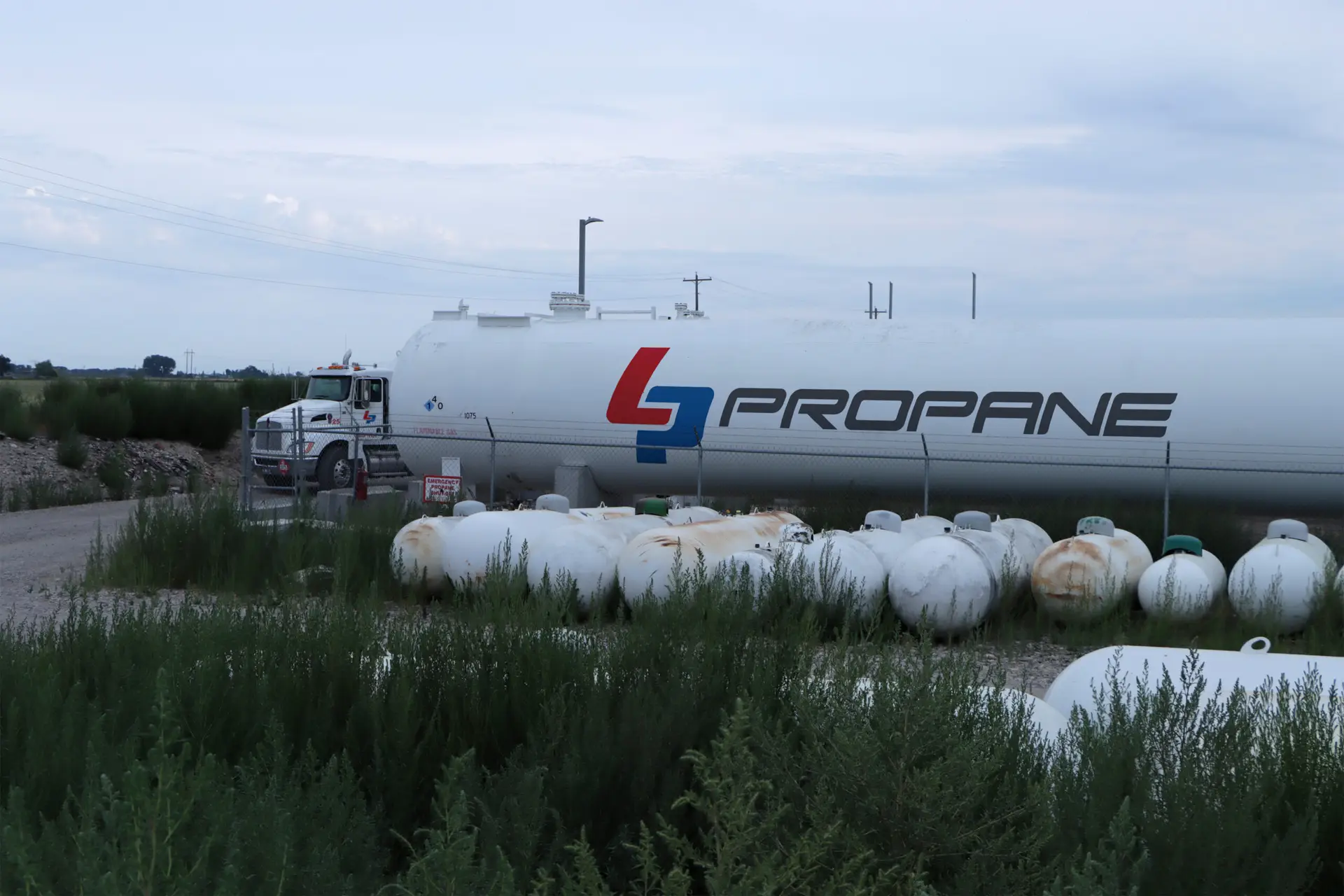
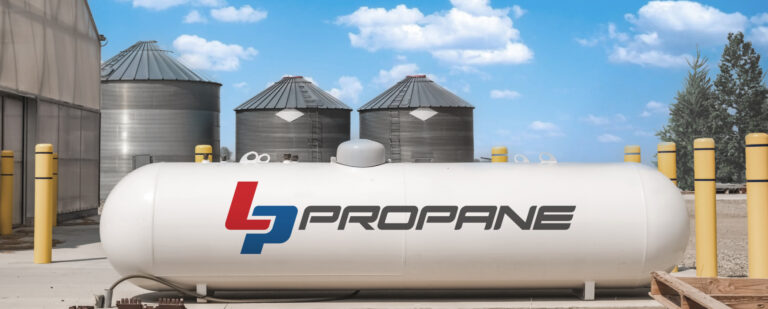
An advantage of propane is that it can be stored on the farm in appropriately designed storage tanks. Irrigation during the hectic growing season can be flexible with onsite fuel availability. Fuel planning ensures uninterrupted farm operations.

Flexible Farm Applications

Propane irrigation engines can be employed with irrigation systems for row crops, orchards, vineyards, vegetable farms, nurseries and specialty crop production. They can be adapted to various farming operations due to their versatility.

Reliable Operation in Remote Areas

There are many farms located in areas where utility services may be restricted. Propane is an independent fuel that can power irrigation equipment without needing to rely on natural gas pipelines. This is a benefit to numerous rural agricultural businesses.

Seasonal Irrigation Support

Crop water needs vary during the crop’s growing season. With propane powered irrigation equipment, producers have the flexibility to turn the pumps on and off as needed when irrigation schedules call for it. Seasonal flexibility facilitates good crop management.

Integration With Farm Energy Systems

Many farms already have propane as a fuel for grain drying, greenhouse heating and livestock operations, as a backup generator and as a building fuel. Propane-powered irrigation equipment can enable producers to operate multiple energy uses on the farm with the same type of fuel.

Fuel your irrigation system with dependable propane performance

Factors to Consider Before Choosing an Irrigation Power Source

Crop Type

Irrigation schedules and water consumptions vary with different crops. Knowing the needs of a crop is important in deciding the type of irrigation equipment to use. Good water supply promotes good crop growth.

Water Source

The distance between the water source and irrigation system influences pump selection and engine requirements. Sizing equipment helps to ensure reliable irrigation performance.

Irrigation Schedule

Some farms irrigate daily during hot periods of growth, and some farms have irrigation systems that are less frequently used. Evaluating seasonal irrigation schedules helps determine fuel planning and equipment needs.

Farm Size

The area to be irrigated will impact the amount of equipment needed and the total fuel consumption. Larger farms may need different irrigation management practices than smaller farms. Good planning leads to increased efficiency.

Equipment Maintenance

The maintenance activities are essential to ensure the irrigation engines function effectively during the growing season. Preventative servicing supports long-term equipment life. The regular inspections help increase the reliability of the operation.

Professional Recommendations

Agricultural equipment specialists and propane suppliers can assess irrigation needs, suggest equipment that will meet those needs, and help develop a propane plan based on the individual operating conditions of each farm.

Best Practices for Maintaining Propane Irrigation Equipment

Schedule Regular Engine Service

Follow manufacturer-recommended maintenance schedules for irrigation engines. Professional servicing ensures reliable operation during the irrigation season. Maintenance extends the lifespan of equipment.

Monitor Propane Supply

Regularly check propane tank levels during periods of heavy irrigation. Fuel monitoring helps to ensure continued field operations. Early delivery planning reduces unnecessary downtime.

Inspect Fuel Storage Areas

Ensure propane storage tanks are clean, easy to access, and clear of excess vegetation and debris. Good housekeeping helps with routine maintenance and helps to make efficient fuel deliveries.

Maintain Irrigation Components

Along with engine maintenance, check pumps, valves, hoses and irrigation lines throughout the season. Properly maintained irrigation systems can ensure consistent water supply.

Prepare Equipment Before Peak Season

Perform complete inspections and preventative maintenance before the time of irrigation demand. Reliable equipment function is encouraged during the critical periods of crop growth through early preparation.

Work With Qualified Service Providers

Building strong relationships with agricultural equipment technicians and propane suppliers ensures timely maintenance, reliable deliveries, and seasoned support for farmers.

Why Reliable Irrigation Matters

Water is a critical resource for agriculture, and its availability is directly linked to the growth of crops and farm productivity. Well established irrigation schedules enable producers to adjust to varying climate parameters and promote growth and development of plants during the entire growing season. Reliable irrigation equipment also helps to improve operational efficiency. Well-maintained equipment, backed by a reliable fuel supply, enables farmers to concentrate on crop management instead of unexpected downtime. Choosing the right irrigation power source suited to the farm’s operational requirements, infrastructure and long-term objectives ensures better planning and enhances reliable irrigation year on year. 

Partnering With Your Propane Supplier

An irrigation expert in propane can be valuable in supporting agricultural irrigation operations. In addition to fuel deliveries, propane suppliers may also help with storage planning, seasonal fuel management, equipment recommendations, and delivery scheduling when farmers are busy on the farm. By working closely with propane suppliers, one can create a fuel plan that fits your irrigation schedule and helps provide propane during the growing season. Frequent communication can also aid in preventative maintenance planning and long-term equipment reliability. A close working partnership with experienced agricultural service providers will help farmers to plan for seasonal needs and be assured of irrigation efficiency.

Reliable Irrigation Starts With Reliable Power

Reliable irrigation is essential for modern farming to help ensure a bountiful harvest and productive growing season. Propane irrigation pump engines offer an efficient power source for a wide range of agricultural applications, especially when flexibility in fuel supply, equipment reliability and performance are important. When selecting an irrigation system, it can be helpful to consider the irrigation needs of the crops, water source, the size of the farm, the irrigation schedule, and the long-term objectives of the operation. Regular irrigation system maintenance, proactive fuel management, and expert advice all help to ensure reliable irrigation system performance all season long. Farmers can design irrigation systems with qualified equipment specialists and a trusted propane supplier that will help run their farms efficiently while addressing the evolving needs of modern agriculture. 

BLAZING BLOGS

How Propane Irrigation Pump Engines Support Modern Farming | LP Propane

How to Plan Propane Delivery for Remote Mountain Homes

How to Plan Propane Delivery for Remote Mountain Homes Propane delivery planning for remote mountain homes is the process of estimating propane usage, choosing suitable storage capacity, scheduling deliveries, and preparing for weather and access challenges. Remote mountain homes provide

Read More »

State Fair Giveaway

$500 Worth of Propane

Be one of the first 200 New Customers to sign-up until September 15th to get $500 worth of propane, FREE! You’ll also get 1 year free tank rental when you switch!

JOIN THE IGNITE PROGRAM

NEW CUSTOMER? Fill out the New Customer Application to join IGNITE.

Save $0.05 Per Gallon with the IGNITE Program Learn more!

This field is for validation purposes and should be left unchanged.
Name(Required)
Service Address(Required)
AAP Agreement(Required)
You will be contacted by a Customer Service Representative to obtain your credit card information.
Terms of Service(Required)

LP Propane Ignite Program – Terms and Conditions

1. Eligibility and Program Requirements
To qualify for and maintain enrollment in the LP Propane Ignite Program and receive the $0.05 per gallon fuel discount, the Customer must simultaneously enroll in and maintain active status in the following three core services:

Auto Fill Delivery: The Customer authorizes LP Propane to automatically monitor, schedule, and deliver propane to the designated tank when levels dictate, bypassing the standard Will Call scheduling requirements.

Auto Pay: The Customer must maintain a valid, authorized payment method on file (Credit Card, Debit Card, or ACH/Direct Draft). Invoices will be automatically drafted within 7 days after the delivery.

Paperless Billing: The Customer agrees to receive all invoices, statements, and program communications via email. Opting out of online billing or requesting paper statements will result in a $4.95 monthly fee and disqualification from the program.

2. Fuel Discount Terms

The $0.05 per gallon discount applies exclusively to the standard market rate of propane at the exact time of delivery.

The discount is applied automatically on invoice.

This discount cannot be combined with specific commercial contract pricing or volume discounts unless expressly authorized in writing by LP Propane.

3. Tank Monitoring and Delivery Access

LP Propane may utilize physical tank monitors or advanced usage-tracking algorithms to schedule deliveries.

Access Requirements: The Customer must ensure the propane tank is always completely accessible to delivery personnel and vehicles. The pathway must be free of obstacles, locked gates, debris, or unrestrained animals within a 100-foot radius.

Seasonal Maintenance: During winter months, the Customer is legally responsible for clearing snow, ice, and paths leading to the tank. If a delivery vehicle cannot safely access the tank, the delivery will be delayed, and any emergency filling fees incurred due to subsequent low fuel levels will be billed to the Customer.

4. Credit Status and Payment Failures

If an Auto Pay transaction is declined or fails for any reason (e.g., expired card, insufficient funds), the Customer must update their account billing details immediately. If the transaction remains unprocessed for 30 days despite attempts by LP Propane to contact the Customer, the account will be automatically unenrolled from the program.

If an account balance becomes past due, LP Propane reserves the right to suspend Auto Fill privileges, pause the $0.05 per gallon discount, and transition the account to a "Will Call / Cash on Delivery" basis until the account is brought current and after review and approval of LP Propane’s credit department.

5. Program Termination or Changes

Customer Termination: Removing any of the mandatory components (Auto Fill, Auto Pay, or Paperless Billing) constitutes voluntary termination from the program. If you would like to opt out of the Ignite program you must submit 30 day written notice

Company Modifications: LP Propane reserves the right to alter, modify, or terminate the Ignite Program framework, including discount amounts or underlying eligibility terms.

MM slash DD slash YYYY