How Propane Delivery Works During Snowstorms

Snowstorms are known to present some of the most challenging conditions of propane delivery operations. The snow, freezing rain, black ice, roadway closure, and low visibility may interfere with usual transportation paths. Simultaneously, snowstorms are commonly accompanied by the severe temperature changes, and this aspect escalates heating demand to a high level. Furnace cycles are increased, water heaters are harder and consumption of propane in general areas of service increases exponentially. The same can be said of the homeowner: he or she expects the heat to work, the hot water to flow, and the system to perform safely. Behind the scenes, propane suppliers are turning on storm-response strategies which would help them continue delivery even during dangerous conditions. To see how propane delivery is managed in snowstorms, and how it is forecasted, organized, and coordinated in terms of safety and technology, it is possible to examine the ways in which fuel reliability is taken care of during the worst of winter weather.

How Propane Delivery Works During Snowstorms | LP Propane

Proactive Planning Before the Snowstorm Hits

Monitoring Weather Systems

The long-range forecasts, snowfall predictions, wind chills, and temperature trends are monitored by the providers. Several sources of forecasting are considered to achieve perfection. This is because by identifying incoming storms early, dispatch teams can expedite deliveries before the roads become unsafe.

Increasing Bulk Storage Levels

Bulk storage facilities are filled to the brim before a bright storm in order to have a reserve capacity. When the supply delivery is delayed by the road blockage, it will be flexible because of the higher storage levels. Having the reserves will cushion the customers even when the weather has broken down.

Advancing Delivery Schedules

Customers who are about to hit the refill limits can have early deliveries. This is a pre-storm scheduling, which minimises the tanks that can get lost due to the storm. The availability of preventative refills enhances stability of supplies in a region.

Identifying High-Priority Accounts

Smaller tank accounts, high BTU demand accounts, or medical-based propane-powered systems are marked in advance. Such customers can be booked early so as to avoid health or safety hazards in the extreme weather.

Pre-Storm Customer Communication

The providers usually provide notifications urging the customers to monitor tank levels and clear access paths. Timely communication will result in fewer emergency calls during the last minute as soon as the snow falls.

Expanding Operational Readiness

Other drivers, dispatchers and support staff can be booked beforehand. Having additional manpower will also mean that the company will be able to react in time to increased demand due to the peak storm conditions.

Advanced preparation prevents last-minute fuel emergencies!

Logistics and Operations During Active Snowstorms

Winter-Equipped Delivery Trucks

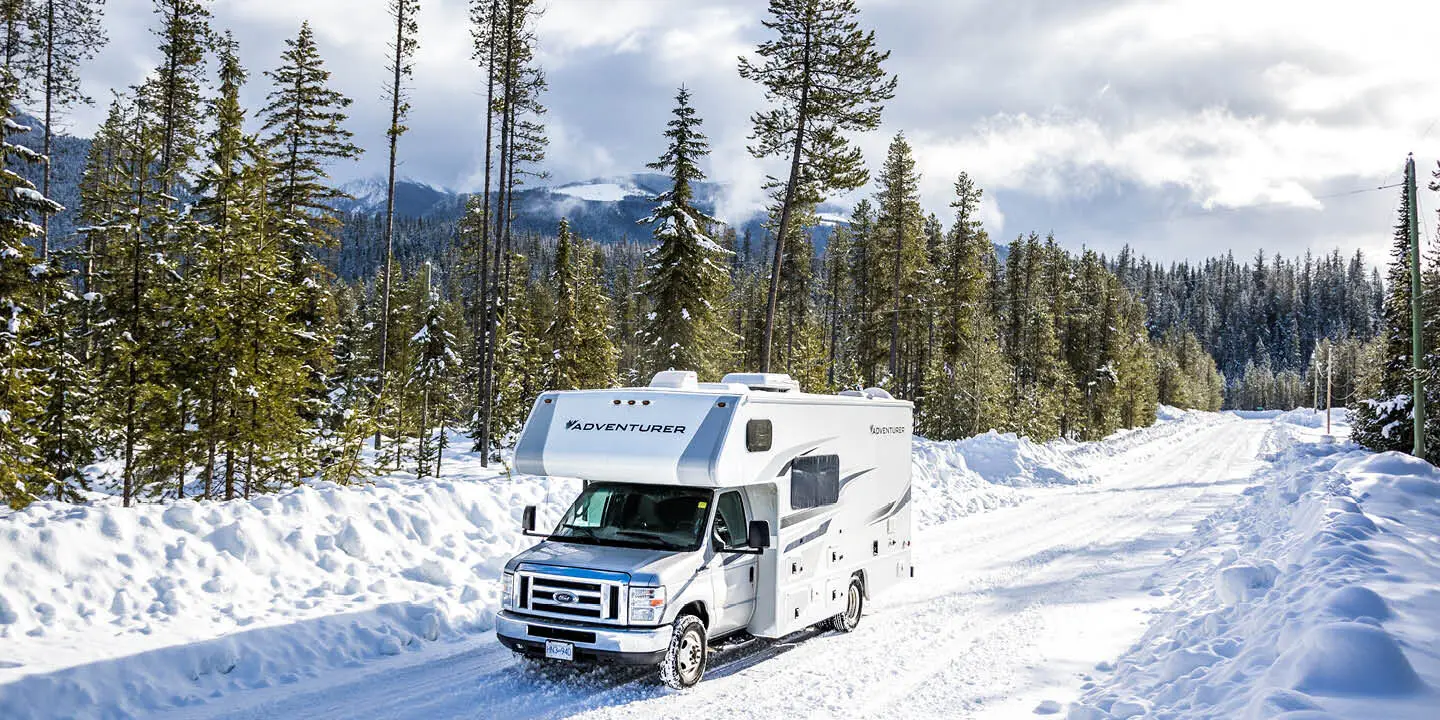
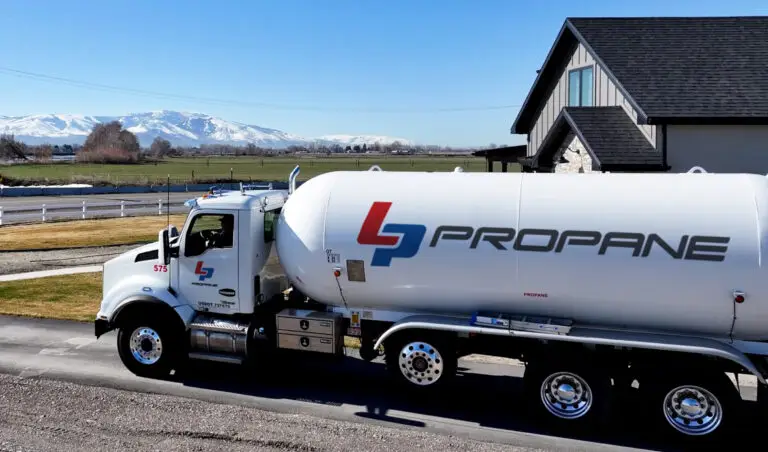
The propane delivery vehicles have winter tires, tire chains, and emergency safety kits. Anti-gel additives are used as protection to fuel systems in very low temperatures. Another way of minimizing mechanical risks when traveling in a hazardous manner is through routine pre-storm inspections.

Real-Time Route Adjustments

The dispatch teams keep track of road closures and accidents as well as weather alerts. The GPS tracking ensures that the route can be changed in real time to evade blocked areas or those that are unsafe. Rigid routing assists in continuity of deliveries.

Prioritizing Critically Low Tanks

Customers whose tank levels are close to critical percentages are prioritized in terms of scheduling. Storm prevention helps to avoid runouts that can cause comfort and system safety.

Continuous Driver Communication

The drivers are always on call with the dispatch teams to inform them about the road conditions and road accessibility problems. Real-time feedback gives the capability of making immediate decisions in unpredictable weather.

Managing Extended Delivery Times

Roads are covered with snow and thus slow down the speed. Providers manage expectations of delivery and explain possible delays to the customers in advance.

Strict Safety Procedures at Delivery Sites

Caution should be exercised during freezing temperatures when handling the hoses, valves and regulators. Drivers adhere to safety measures that they have been advised to ensure that no slips, equipment damage, or wrong connections occur.

The Role of Customers During Snowstorms

Clearing Snow Around Tanks

Tank lids, regulators and valves should be cleared off of snow. Having clarity means that the drivers can be able to connect hoses safely without any hindrance.

Maintaining Driveway Accessibility

Sanded driveways and plowed driveways lower the risk of delivery. Tanks may be inaccessible to trucks because of icy or blocked driveways.

Checking Tank Levels in Advance.

It is prudent to check the tank gauges prior to storms, that gives customers time to order early refills in case they are required. Any delays in filling the tank till it is almost full make scheduling hard.

Enrolling in Automatic Delivery

Predictive forecasting in automatic delivery programs is applied to ensure that tanks are not filled to low levels. This minimizes the chances of runout in bad weather.

Avoiding Unsafe Heating Methods

Should customers ever choose to warm tanks with open fires or electrical heaters they are not to do so. Heat exchangers installed artificially are dangerous.

Communicating Early About Access Issues

In case the driveways are long, steep, or partially obstructed, early warning to the provider is helpful to enhance planning of delivery.

Technology Supporting Snowstorm Deliveries

Technology is very important in the delivery of propane in the times of harsh weather. Tanks can be monitored wirelessly to give real time information about the amount of fuel. GPS tracking also allows dispatchers to check the location of trucks and reroute them in real-time. The software used to forecast uses temperature data together with consumption models and predicts when tanks will be out of refill thresholds. The data-driven model minimizes guesswork and enhances the reliability of supply in the case of unstable weather. Digital dispatch systems also enable fast communication between drivers and the operations teams. The alerts of real time systems are used to prioritize customers whose fuel levels reduce at a higher rate than anticipated whenever there is a sudden change in temperature.

Efficiency and Cost Considerations

The production of energy is not all that. Actual cost of operation depends on efficiency rating and local energy price. Propane systems have a good heating capacity with an option of suppliers whereas electric heating is limited to local utility fees. The percentages of appliance efficiency have a direct effect on the amount of usable heat obtained in relation to each unit of fuel or electricity used to operate the appliance. Better efficiency systems will lead to the overall consumption which will reduce long-term costs. The comparison of both the energy price and efficiency gives a more detailed financial image. Homeowners can use the comparison of cost per unit to assess the affordability in the long term, by calculating BTUs to kilowatts. The method assists to determine the system that provides maximum amount of heat at the minimum cumulated cost within a given area. Evaluation should also be done by taking into account regional climate and seasonal pricing changes.

Safety and Emergency Preparedness

Deliveries by snowstorm cannot be made without following safety standards. Pilots need to overcome black ice, blowing snow and poor visibility. To reiterate safe driving practices and emergency response, companies have winter safety briefings. The emergency contingency plans are tackling road closures or mechanical failures that may occur. Reserve drivers and contingent routes are established. The safety-first operation guarantees the continuity of services in the long run. Cars are also checked regularly prior to the storm to minimize the risk of mechanical breakdown. Effective escalation policies will make sure that there is a swift action in case of any hazardous situation that may endanger the lives of drivers or the customers.

Why Automatic Delivery Is Especially Critical During Snowstorms

Automatic delivery systems allow extra protection in case of severe winter weather. Automatic systems are then used to schedule refills before tanks empty by taking degree-day calculation and past usage data. When there is a snowstorm, the customers on the automatic delivery are less likely to experience emergency runouts. Refill planning in advance eliminates peaks in demand at the end of the day and normalizes supply in the region. Automatic delivery limits the risk of missing tank monitoring due to busy winter seasons since the timing of a refill is prediction-based and does not depend on the customers. Such an active system enhances credibility at a time when accessing the road can be affected.

BLAZING BLOGS

How Propane Delivery Works During Snowstorms | LP Propane

How Many Appliances Can One Tank Support?

How Many Appliances Can One Tank Support? Propane is a highly versatile and effective source of energy and it is applied by millions of households in heating, cooking, water heating, and reserve power. The most asked questions to homeowners during

Read More »
How Propane Delivery Works During Snowstorms | LP Propane

How Safety Inspections Protect Your Family

How Safety Inspections Protect Your Family Home safety inspections are crucial in helping the families to be safe against possible hazards associated with heating systems, fuel lines and household appliances. Frequent checkups are used to detect minor issues before they

Read More »

JOIN THE IGNITE PROGRAM

NEW CUSTOMER? Fill out the New Customer Application to join IGNITE.

Save $0.05 Per Gallon with the IGNITE Program Learn more!

This field is for validation purposes and should be left unchanged.
Name(Required)
Service Address(Required)
AAP Agreement(Required)
You will be contacted by a Customer Service Representative to obtain your credit card information.
MM slash DD slash YYYY

State Fair Giveaway

$500 Worth of Propane

Be one of the first 200 New Customers to sign-up until September 15th to get $500 worth of propane, FREE! You’ll also get 1 year free tank rental when you switch!