How Propane Appliances Perform in Extreme Cold

Propane finds extensive applications in heating homes and cooking as well as powering basic appliances in the areas that have very severe winters. Its ability to withstand cold weather as compared to other sources of fuel is also one of its strongest strengths. Nevertheless, even under extreme cold conditions, propane systems may be affected provided that they are not well maintained. The knowledge of propane appliances in freezing conditions aids the homeowners in making sure that they perform well, safely and effectively all through the winter period. Properly configured and with awareness, propane has been one of the most reliable energy sources even at sub-zero temperatures.

How Propane Appliances Perform in Extreme Cold | LP Propane

How Extreme Cold Affects Propane Systems

Reduced Vaporization Rate

Propane is kept in the form of liquid and it has to vaporize into gas before it can be utilized by appliances. When temperature is extremely low then the rate of vaporization is slowed down hence can restrict the quantity of usable propane at a particular time.

Lower Tank Pressure

When the temperature is lowered, the pressure in a propane tank is lowered. This has the capacity to cut down on the supply of gas to appliances which may hamper performance in case there is a high demand.

Frost Formation on Tanks

During cold weather when propane tanks are heavily used, it is common to see the frost forming. This happens because the heat is extracted out of the tank when it is vaporizing and it is usually normal except when it becomes excessive.

Increased Fuel Demand

The cold weather leads to a greater heating demand making the work of appliances such as furnaces and boilers more frequent. This further strains the propane system.

Impact on Smaller Tanks

The use of smaller propane tanks is also prone to cold-related performance problems due to a lesser surface area to be vaporized. It is capable of constraining the supply of gas at the peak hours.

Importance of Tank Sizing

Tanks should be of proper size to ensure sufficient propane when it is very cold. Just in case of variation in vaporization and pressure levels, larger tanks or a system of tanks can be used.

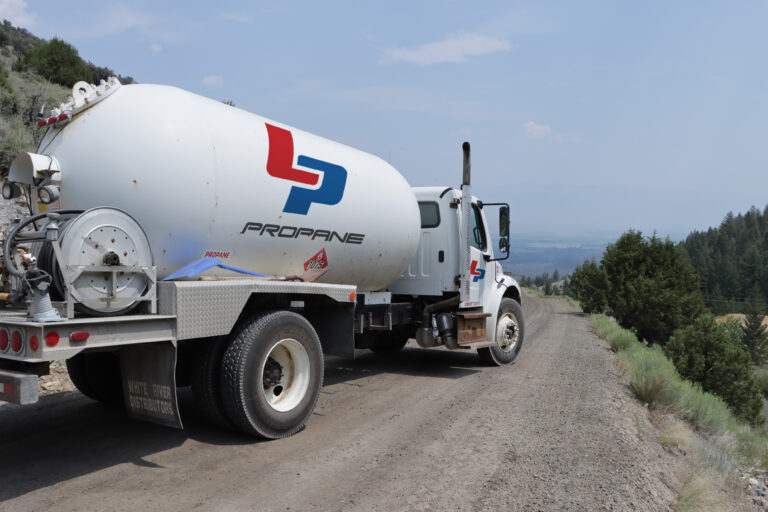
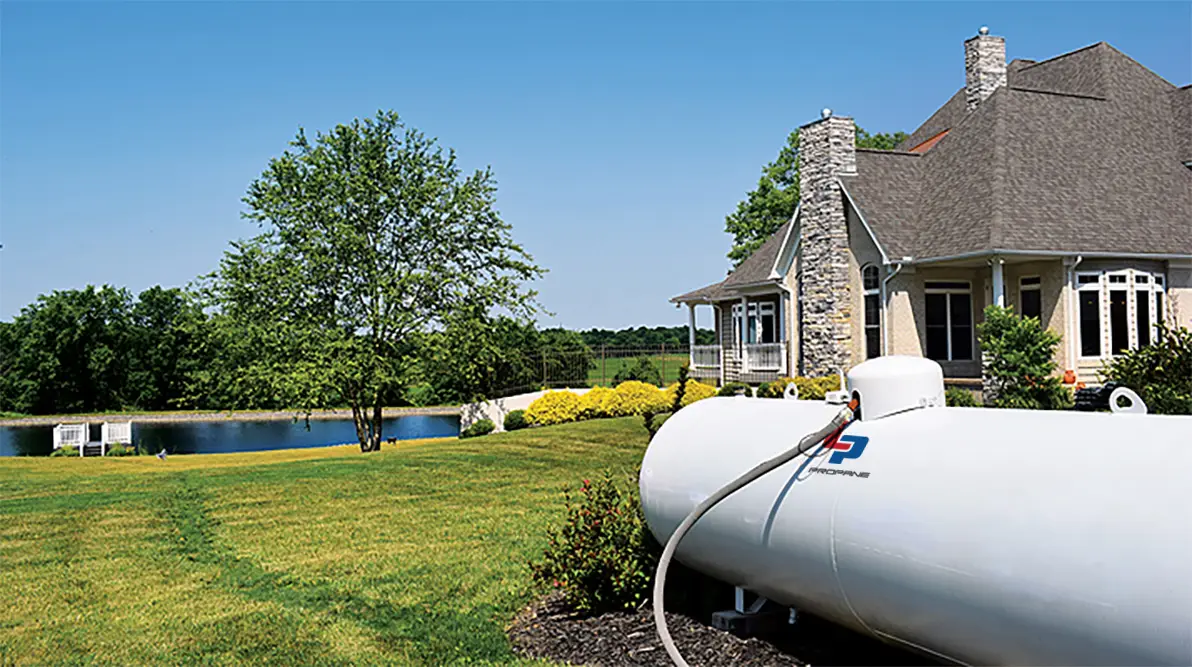
Freezing temperatures directly influence how propane is stored and delivered

Performance of Common Propane Appliances in Cold Weather

Propane Furnaces

Propane furnaces work effectively in the freezing conditions and are capable of generating high levels of heat within a short time. They tend to be popular in cold areas because of their performance and capability to ensure the same indoor temperature.

Water Heaters

The propane water heaters are able to keep producing hot water even in the most extreme cold. But the more it is used in the winter months the more frequent the tank refills.

Cooking Appliances

Outdoor temperatures do not usually affect the operation of propane stoves and ovens because they are used indoors. They give a steady performance even when there is weather change.

Propane Fireplaces

Propane-powered fireplaces provide reliable auxiliary heating. They are very effective during cold weather and they are able to reduce the work load on central heating systems.

Outdoor Appliances

Extreme cold may result in poor performance of grills and outside heaters because of low tank pressure. It is recommended to ensure that tanks are kept well filled.

Backup Generators

Generators driven by propane are very dependable in the case of winter storms. They also offer stable power provided that there is enough supply of propane and the system is well maintained.

Preventing Performance Issues in Extreme Cold

Keep Tanks Adequately Filled

It keeps the propane at a level of 30 percent or more which prevents excessive pressure when there is an insufficiency in the tank. Low levels are known to cause low vaporization in cold weather.

Use Larger or Multiple Tanks

Houses located in colder climates usually have bigger tanks or two tanks. This arrangement enhances levels of vaporization and maintains supply of fuel.

Schedule Regular Deliveries

Automatic delivery service allows avoiding the shortage of tanks even in peak winter periods. Refills within due time will minimize performance interruptions.

Protect Tanks From Snow Buildup

The snowing around tanks and regulators may limit air and access. Maintaining the area in order is beneficial to ensuring the correct system operation.

Inspect Regulators and Lines

Regulators and gas lines can be affected by cold weather. Periodic checks would make sure that everything is operating properly and safely.

Ensure Proper Installation

To address cold climate conditions, such as proper location of tanks and system size, professional installation will make sure that propane systems are installed to accommodate cold climatic conditions.

Why Propane Remains Reliable in Cold Climates

Propane is also very much favored in colder climates as it can work under conditions that other types may not. Propane systems do not go dead when there is power outage as compared to electricity, and thus it can be used as a reliable source of heating during winter storms. This is more so in rural or remote areas. Moreover, propane is efficient and generates much heat, which makes homes heat up even in the very low temperatures. Its clean-burning nature also makes it have lower emission rates as compared to some other sources of fuel.

Comparing Propane to Other Heating Options in Cold Weather

In comparison to other sources of energy, propane is in many instances more reliable and cost effective in harsh climatic conditions. Electric heating systems can be problematic when there is a power outage or when there is a high demand. Heat pumps are effective in mild climates and fail in extreme low temperatures. Cold weather may also affect the use of oil-based heating systems since they may become ineffective due to the thickening of the fuel. On the contrary, propane is stable and it still operates when systems are maintained well.

Reliable Performance Even in Harsh Winters

Propane appliances can also perform excellently even in extreme cold conditions when maintained and systemically designed and fueled properly. Cold weather may affect the tank pressure, vaporization however the difficulties are easily addressed with appropriate precautions. Homeowners can count on propane appliances to perform consistently during the winter as long as there is adequate fuel, the tank is properly sized and regular checkups are made. Propane in harsh climates with high dependency on reliability is also an effective and stable source of energy in keeping homes warm, secure, and operating at full capacity.

BLAZING BLOGS

How Propane Appliances Perform in Extreme Cold | LP Propane

Propane Tank Placement Rules

Propane Tank Placement Rules Propane is a non-toxic and dependable source of energy in the event that it is kept and installed properly. Proper tank placement is one of the most significant factors of a propane system. Location regulation is

Read More »

JOIN THE IGNITE PROGRAM

NEW CUSTOMER? Fill out the New Customer Application to join IGNITE.

Save $0.05 Per Gallon with the IGNITE Program Learn more!

This field is for validation purposes and should be left unchanged.
Name(Required)
Service Address(Required)
AAP Agreement(Required)
You will be contacted by a Customer Service Representative to obtain your credit card information.
MM slash DD slash YYYY

State Fair Giveaway

$500 Worth of Propane

Be one of the first 200 New Customers to sign-up until September 15th to get $500 worth of propane, FREE! You’ll also get 1 year free tank rental when you switch!