How Much Does a Propane Tank Installation Cost in 2026?

The average propane tank installation cost in 2026 ranges from $700 to $5,000, while most homeowners pay around $1,500 to $3,000 for a standard residential setup. The final price depends on several factors, including tank size, installation type, labor costs, permits, and the distance between the tank and appliances. Propane tanks provide an efficient energy option for homes without access to natural gas. They can power heating systems, water heaters, fireplaces, cooking appliances, and backup generators. However, installing a propane tank requires proper planning because the system must follow safety requirements and local building rules. Knowing the full cost breakdown helps homeowners select the right tank size and avoid unexpected expenses during installation.

Overview

  • Propane tank installation costs usually range from $700 to $5,000 in 2026.
  • Most homeowners spend around $1,500 to $3,000 for a standard residential setup.
  • Tank size, installation type, labor, permits, and property conditions affect pricing.
  • Above-ground tanks cost less, while underground systems require higher installation costs.
  • Choosing the right tank size helps control upfront and long-term expenses.
How Much Does a Propane Tank Installation Cost in 2026? | LP Propane

What Is the Average Propane Tank Installation Cost?

Small Tank Cost

Small propane tanks usually cost $700 to $1,500 installed. These tanks often range from 100 to 250 gallons and work well for limited propane needs. They are commonly used for fireplaces, outdoor kitchens, cooking appliances, or smaller homes with low fuel consumption.

Medium Tank Cost

A medium propane tank installation generally costs $1,500 to $3,000. The most common example is a 500-gallon tank used for whole-home energy needs. This size can support heating systems, water heaters, dryers, and multiple propane appliances.

Large Tank Cost

Large propane tanks can cost $3,000 to $5,000 or more to install. A 1,000-gallon tank is often selected for large homes, farms, or properties with high fuel demand. The higher cost comes from larger equipment, transportation, and additional installation work.

Above Ground Cost

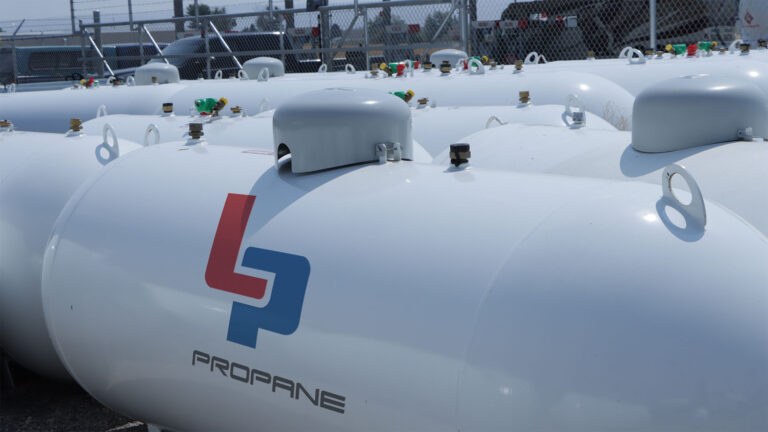
Above-ground propane tanks usually cost $700 to $3,000 installed. They are placed outside the home on a prepared surface. These systems cost less because they do not require excavation or underground protection.

Underground Cost

Underground propane tanks usually cost $2,500 to $5,000+ because installation requires digging, underground piping, and soil restoration. Many homeowners choose this option because the tank stays hidden and preserves outdoor appearance.

Average Home Price

For most American homes, a propane tank installation costs around $1,500 to $3,000. The final amount depends on household energy needs, property layout, and local installation rates.

Learn what impacts your propane installation budget

What Factors Change Propane Installation Prices?

Tank Size Impact

Tank capacity has a direct effect on installation costs. Larger tanks require more materials, transportation, and preparation. A homeowner should choose a tank based on energy usage instead of simply selecting the largest option.

Labor Charges

Professional propane installation labor usually costs $50 to $200 per hour depending on location and project difficulty. Complex jobs involving excavation or long gas lines require more working hours.

Permit Fees

Propane installation permits usually cost between $50 and $500. Local authorities may require inspections to confirm safe placement, proper connections, and compliance with building codes.

Property Access

Property access affects installation time and equipment needs. Homes with limited driveway access, difficult terrain, or rocky soil may require additional labor and equipment.

Gas Line Length

The distance between the propane tank and appliances affects piping costs. Longer gas lines increase material requirements and installation time, raising the total project price.

Local Rates

Installation prices vary by region because labor costs and regulations differ across the United States. A homeowner in a high-cost area may pay more than someone in a rural location with lower labor rates.

What Extra Costs Come With Propane Tank Installation?

Delivery Charges

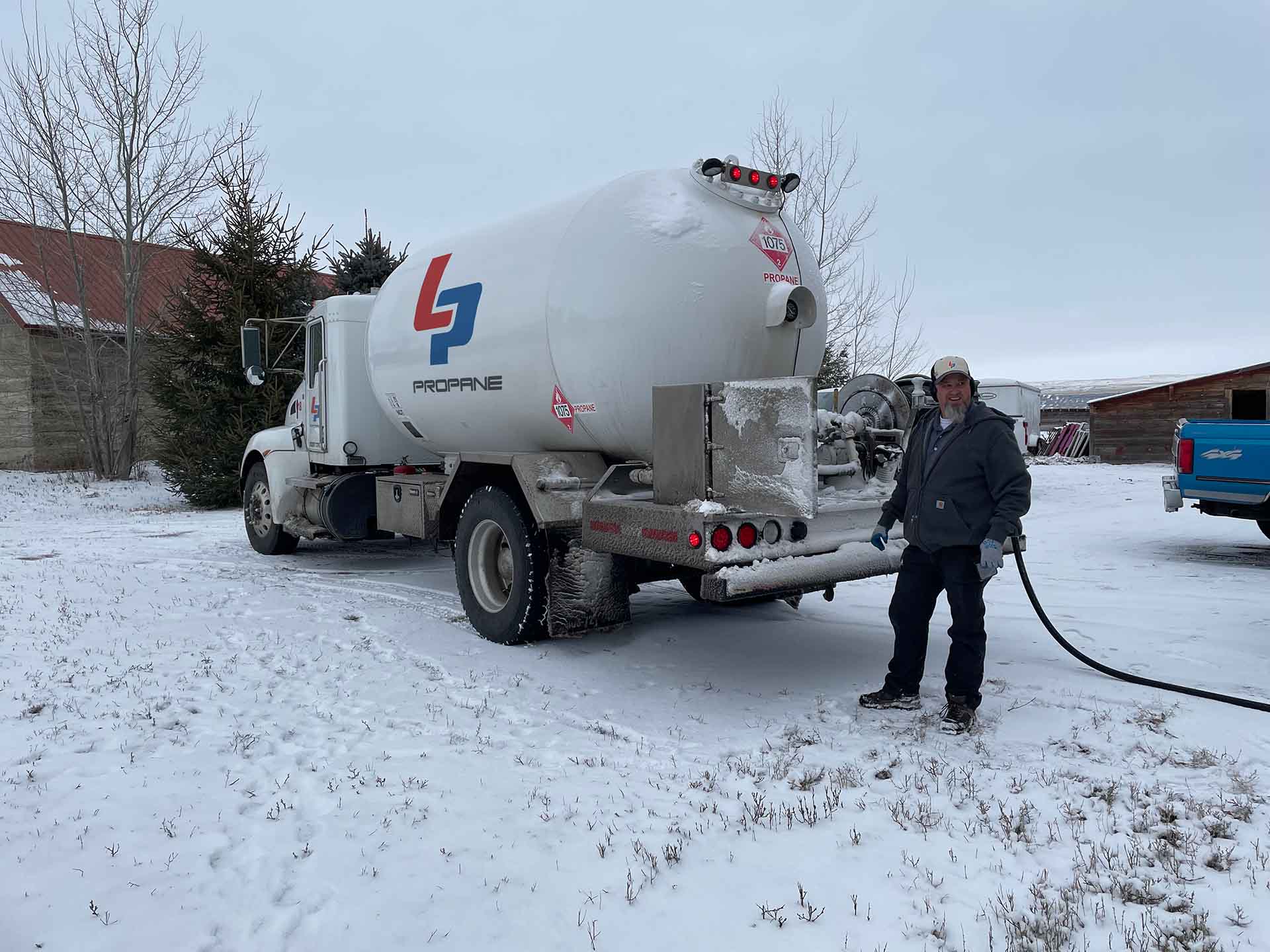
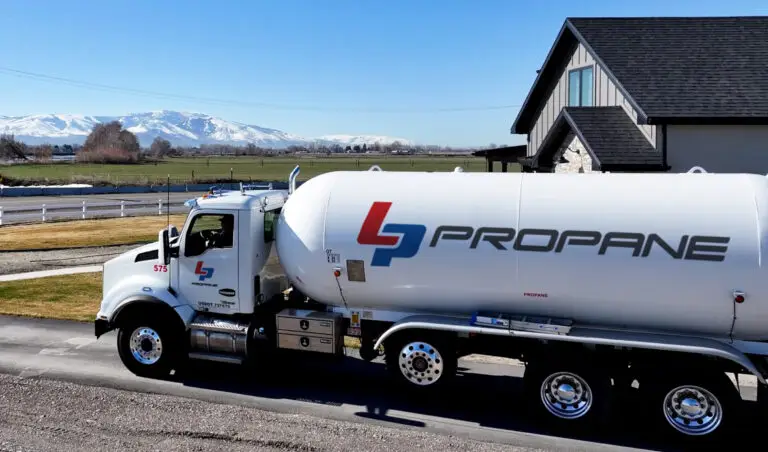
Propane tank delivery usually costs $100 to $500 depending on tank size and transportation distance. Larger tanks require specialized vehicles and equipment for safe placement.

Excavation Work

Underground tank excavation typically costs $500 to $2,000. The price depends on soil conditions, digging depth, and whether landscaping needs restoration.

Pipe Installation

Propane gas line installation usually costs $15 to $25 per linear foot. Longer connections between the tank and appliances increase both material and labor costs.

Appliance Changes

Converting appliances from natural gas to propane can cost $100 to $500 per appliance. Some systems need replacement parts to operate safely with propane fuel.

Initial Filling

The first propane refill can cost $200 to $1,000 depending on tank capacity and fuel prices. A larger tank requires more propane during the initial fill.

Maintenance Costs

Annual propane system maintenance usually costs $100 to $300. Regular checks help identify leaks, corrosion, and connection issues before they become expensive repairs.

Is A Propane Tank Installation Worth It?

A propane tank installation can be a good choice for homeowners who need reliable energy, especially in areas without natural gas availability. Propane systems provide flexibility because they allow homeowners to store fuel on their own property instead of depending on a public gas connection. Propane can power multiple home systems, including furnaces, water heaters, cooking appliances, fireplaces, clothes dryers, and backup generators. It is also a popular option for rural properties where other fuel sources may not be easily available. The value of installing a propane tank depends on factors such as local fuel prices, household energy usage, and how long you plan to stay in the property. A properly sized tank can reduce refill frequency and provide consistent energy throughout the year.

How Long Does A Propane Tank Last?

Most propane tanks last between 20 and 30 years when properly maintained. Regular inspections, cleaning, and safety checks help protect the tank and connected equipment from damage. The lifespan of a propane tank depends on factors such as tank material, installation location, weather exposure, and maintenance habits. Above-ground tanks may require more attention because they are exposed to outdoor conditions.  Homeowners should schedule professional inspections to maintain safe operation and identify problems early. Checking for corrosion, leaks, and damaged connections can help extend the tank’s service life and prevent costly repairs.

Should You Install A Propane Tank In 2026?

A propane tank installation in 2026 typically costs between $700 and $5,000, with most residential homeowners spending about $1,500 to $3,000. The final price depends on tank size, installation location, labor, permits, and additional services. Before installing a propane system, compare quotes, calculate your household fuel needs, and select the right tank capacity. Consider whether an above-ground or underground tank better fits your property, budget, and long-term plans. A properly installed propane tank can provide dependable energy for heating, cooking, and other home appliances for many years. With regular maintenance and safe operation, a propane system can remain a valuable part of your home energy setup.

BLAZING BLOGS

How Much Does a Propane Tank Installation Cost in 2026? | LP Propane

Propane Grill Safety Tips for Summer Cooking

Propane Grill Safety Tips for Summer Cooking Propane grilling makes summer cooking quick and convenient, but an outdoor barbecue can become dangerous when fuel, flames, grease, and heat are not managed properly. A propane grill should always be treated as

Read More »
How Much Does a Propane Tank Installation Cost in 2026? | LP Propane

Can Propane Explode? Understanding Propane Risks

Can Propane Explode? Understanding Propane Risks Propane is a common fuel used in many American homes for heating, cooking, fireplaces, outdoor grills, water heaters, and generators. It provides reliable energy, especially in areas where natural gas is unavailable. However, many

Read More »

State Fair Giveaway

$500 Worth of Propane

Be one of the first 200 New Customers to sign-up until September 15th to get $500 worth of propane, FREE! You’ll also get 1 year free tank rental when you switch!

JOIN THE IGNITE PROGRAM

NEW CUSTOMER? Fill out the New Customer Application to join IGNITE.

Save $0.05 Per Gallon with the IGNITE Program Learn more!

This field is for validation purposes and should be left unchanged.
Name(Required)
Service Address(Required)
AAP Agreement(Required)
You will be contacted by a Customer Service Representative to obtain your credit card information.
Terms of Service(Required)

LP Propane Ignite Program – Terms and Conditions

1. Eligibility and Program Requirements
To qualify for and maintain enrollment in the LP Propane Ignite Program and receive the $0.05 per gallon fuel discount, the Customer must simultaneously enroll in and maintain active status in the following three core services:

Auto Fill Delivery: The Customer authorizes LP Propane to automatically monitor, schedule, and deliver propane to the designated tank when levels dictate, bypassing the standard Will Call scheduling requirements.

Auto Pay: The Customer must maintain a valid, authorized payment method on file (Credit Card, Debit Card, or ACH/Direct Draft). Invoices will be automatically drafted within 7 days after the delivery.

Paperless Billing: The Customer agrees to receive all invoices, statements, and program communications via email. Opting out of online billing or requesting paper statements will result in a $4.95 monthly fee and disqualification from the program.

2. Fuel Discount Terms

The $0.05 per gallon discount applies exclusively to the standard market rate of propane at the exact time of delivery.

The discount is applied automatically on invoice.

This discount cannot be combined with specific commercial contract pricing or volume discounts unless expressly authorized in writing by LP Propane.

3. Tank Monitoring and Delivery Access

LP Propane may utilize physical tank monitors or advanced usage-tracking algorithms to schedule deliveries.

Access Requirements: The Customer must ensure the propane tank is always completely accessible to delivery personnel and vehicles. The pathway must be free of obstacles, locked gates, debris, or unrestrained animals within a 100-foot radius.

Seasonal Maintenance: During winter months, the Customer is legally responsible for clearing snow, ice, and paths leading to the tank. If a delivery vehicle cannot safely access the tank, the delivery will be delayed, and any emergency filling fees incurred due to subsequent low fuel levels will be billed to the Customer.

4. Credit Status and Payment Failures

If an Auto Pay transaction is declined or fails for any reason (e.g., expired card, insufficient funds), the Customer must update their account billing details immediately. If the transaction remains unprocessed for 30 days despite attempts by LP Propane to contact the Customer, the account will be automatically unenrolled from the program.

If an account balance becomes past due, LP Propane reserves the right to suspend Auto Fill privileges, pause the $0.05 per gallon discount, and transition the account to a "Will Call / Cash on Delivery" basis until the account is brought current and after review and approval of LP Propane’s credit department.

5. Program Termination or Changes

Customer Termination: Removing any of the mandatory components (Auto Fill, Auto Pay, or Paperless Billing) constitutes voluntary termination from the program. If you would like to opt out of the Ignite program you must submit 30 day written notice

Company Modifications: LP Propane reserves the right to alter, modify, or terminate the Ignite Program framework, including discount amounts or underlying eligibility terms.

MM slash DD slash YYYY