How Do Temperature Changes Affect Propane

Alongside other types of fuel, propane is a major fuel used for heating, cooking, generation of power, and driving agricultural and industrial processes in the United States. Even with its dependability, many users are not aware of how susceptible propane is to changes in temperature. Unlike other types of fuel, propane exists in a liquid state under pressure in the tank, making it prone to heat and cold. As outside temperatures rise and fall, propane inside the tank expands and contracts, altering pressure levels and rates of vaporization. These natural reactions will affect how well your propane-powered appliances operate, the efficiency of your tank in supplying fuel, and whether or not your system will work harmoniously during seasonal extremes. An understanding of these temperature-related behaviors will help the homeowner avoid a number of common problems related to low pressure, variable appliance output, icing of the tank, pressure relief valve discharges, or erroneous gauge readings. Extremely cold weather can lower propane pressure so that appliances shut down, even though the tank is not empty. Very hot weather raises the pressure and can initiate safety valves that are meant to protect the tank from damage. Throughout the year, propane users must be sensitive to how ambient conditions affect delivery, storage, and performance. When properly understood and prepared for, propane is one of the safest and most reliable energy sources in any climate.
How Do Temperature Changes Affect Propane | LP Propane

The Science Behind Propane Temperature Behavior

How Propane Expands and Contracts

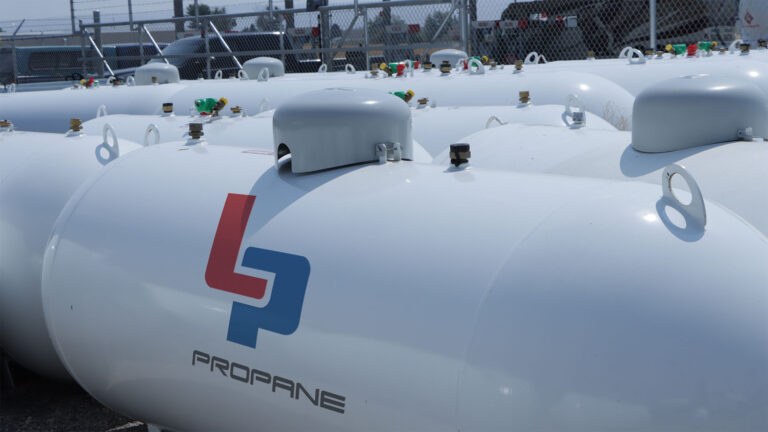
Propane is a fuel that greatly expands when heated. For this reason, propane tanks are never filled to more than 80% full, leaving room to expand. When exposed to cold temperatures, propane contracts, which lowers pressure and diminishes the tank’s ability to vaporize fuel.

Temperature's Effect on Tank Pressure

Pressure rises with heat and declines with cold. Extreme pressure can trigger safety shutdowns, while low pressure can shut off the operation of appliances. The pressure inside the tank is among the most temperature-sensitive areas of propane use.

Vaporization Rate and Seasonal Differences

Before propane is available for use by appliances, it must vaporize from liquid to gas. Warm temperatures increase the rate of vaporization; cold temperatures decrease it. Slow vaporization may starve high demand appliances such as furnaces or generators.

Why Propane Acts Differently Than Other Fuels

Unlike gasoline or diesel, propane is stored under pressure in liquid form. Because of this, its pressure and state of matter are highly dependent on temperature, leading to more noticeable seasonal behaviors.

Relationship between BTUs and Temperature

The colder the temperature, the less BTUs your system can provide because the propane can’t vaporize fast enough. Under very cold conditions, heating systems can feel weaker or less adequate.

How Tanks Respond to Sudden Changes in Temperature

One gallon of propane contains about 91,500 BTUs. Generators burn BTUs based upon electrical demand. The higher the BTU burn rate, the faster fuel is depleted. By monitoring BTU consumption, the homeowner can plan with much greater precision.

From heatwaves to frostbite, propane reacts long before your appliances do.

Issues with Cold Weather: Propane in Winter

Low-Pressure Failure

As temperatures fall, tank pressures fall with them. Once the pressure in the tank is too low, appliances such as furnaces, water heaters, and generators will shut off even when there may be fuel in the tank.

Slower Vaporization in Extreme Cold

Under freezing conditions, the rate of vaporization becomes extremely reduced. This reduces the supply of adequate amounts of gas to high-demand appliances resulting in a weak flame or sometimes an intermittently performing one.

Frost Build-Up on Tanks and Regulators

Frost can build up around regulators and tank valves when propane tries to vaporize too quickly in cold weather. Generally, frost is not dangerous but does show system strain.

Bigger Tanks Needed in Cold Climates

Larger tanks vaporize better because of greater surface area. In very cold regions, upgrading to a larger tank can prevent winter shutdowns.

Reduced BTU Output for Heating Systems

Heating appliances may produce less heat during cold snaps because vaporization cannot keep pace with demand. This often leads to longer run times and increased fuel consumption.

Winter Fuel Delivery Problems

Ice, snow and frozen ground contribute to making the process of refilling and servicing propane tanks more difficult. Early-season fill planning may help you avoid running out during a deep freeze.

Hot Weather Problems: Propane in Summer

High Pressure Build-Up Inside the Tanks

Warmer weather can increase internal pressure in propane tanks. When pressure becomes too high, built-in safety measures are activated.

Pressure Relief Valve Releases

If pressure builds up too strongly, the relief valve occasionally releases small amounts of propane vapor to balance the tank. A light odor of propane may then become detectable by homeowners.

Expansion of Liquid Propane in the Tank

Liquid propane expands at a fast rate in hot weather. An over-filled tank during summer can easily become dangerous, and that is why the 80% fill rule is so strictly observed.

Hot Weather Can Affect Fuel Gauges

Sometimes, as propane expands, it gives a falsely high reading on tank gauges. It will return to normal once the temperatures cool back down.

Tank Placement and Heat Exposure

The tanks that are in the direct sun heat up much faster than others, raising the internal pressure. Shaded or buried tanks remain at a far more stable temperature. 

Appliance Overload During Heat Waves

High pressure can result in spontaneous regulators’ adjustment of fuel flow that might cause minor fluctuations in flame or appliances. 

Year-Round Temperature Effects Homeowners Should Expect

Propane users should also be prepared for increased pressure in summer and low pressure in winter; this is quite normal. Inside the outdoors-installed tanks, there are temperature swings, which means that seasonal behavior is simply not avoidable. More frequent monitoring of tank levels during winter will help you avoid those unexpected shutdowns due to low pressure. During summer, placing tanks in shadier areas or barriers can reduce heat exposure. Understanding these predictable seasonal effects helps make sure that your propane system performs consistently, whatever the weather may be. 

How Temperature Affects Propane Safety

The main single factor in the concern of the safety of the propane system is the temperature. High heat means high pressure, possibly releasing vapor by way of relief valves to avoid tank damage. The important thing is to let the area around the relief valve remain free and never attempt to block those releases. Frost buildup around regulators during winter could indicate excessive demand on vaporization. Keeping the tanks well maintained and making sure all the components are well ventilated manages seasonal safety concerns effectively.

Proactive management keeps at bay the problems associated with weather and propane. Insulate regulators in winter, blanket your tanks, and schedule pre-season deliveries before temperatures dip. Also, try to avoid using those heavy appliances on extremely cold days, which can help vaporization. Shade above-ground tanks during summer months, ensuring they are kept away from reflective surfaces that can raise temperatures. Regular maintenance and seasonal checks keep the pressure levels stable and assure reliable performance all year long. 

How Temperature Impacts Propane Performance

Changes in temperature will have a direct impact on propane pressure, vaporization, efficiency, and performance. Propane is an extremely reliable fuel for all seasons; however, it responds in a very predictable way to changes in temperature. By understanding how heat can cause expansion and increase pressure, and how the cold can slow down vaporization and drop pressure, you’ll protect your appliances, maintain consistent performance, and avoid seasonal shutdowns. With proper monitoring, tank maintenance, and seasonal adjustments, propane is considered one of the most efficient, cost-effective, and reliable fuel options in any climate.

BLAZING BLOGS

How Do Temperature Changes Affect Propane | LP Propane

Top 5 Propane Industry Questions for 2026

Top 5 Propane Industry Questions for 2026 The propane industry is moving into 2026 with new challenges and opportunities. Changing customer expectations, digital buying habits, technology improvements, and energy conversations are shaping how propane businesses connect with their markets. Customers

Read More »
How Do Temperature Changes Affect Propane | LP Propane

Understanding Propane Prices in 2026

Understanding Propane Prices in 2026 Propane prices in 2026 refer to the amount consumers pay for propane fuel based on supply, demand, production levels, weather patterns, storage availability, transportation costs, and energy market conditions. Propane prices in 2026 are an

Read More »

State Fair Giveaway

$500 Worth of Propane

Be one of the first 200 New Customers to sign-up until September 15th to get $500 worth of propane, FREE! You’ll also get 1 year free tank rental when you switch!

JOIN THE IGNITE PROGRAM

NEW CUSTOMER? Fill out the New Customer Application to join IGNITE.

Save $0.05 Per Gallon with the IGNITE Program Learn more!

This field is for validation purposes and should be left unchanged.
Name(Required)
Service Address(Required)
AAP Agreement(Required)
You will be contacted by a Customer Service Representative to obtain your credit card information.
Terms of Service(Required)

LP Propane Ignite Program – Terms and Conditions

1. Eligibility and Program Requirements
To qualify for and maintain enrollment in the LP Propane Ignite Program and receive the $0.05 per gallon fuel discount, the Customer must simultaneously enroll in and maintain active status in the following three core services:

Auto Fill Delivery: The Customer authorizes LP Propane to automatically monitor, schedule, and deliver propane to the designated tank when levels dictate, bypassing the standard Will Call scheduling requirements.

Auto Pay: The Customer must maintain a valid, authorized payment method on file (Credit Card, Debit Card, or ACH/Direct Draft). Invoices will be automatically drafted within 7 days after the delivery.

Paperless Billing: The Customer agrees to receive all invoices, statements, and program communications via email. Opting out of online billing or requesting paper statements will result in a $4.95 monthly fee and disqualification from the program.

2. Fuel Discount Terms

The $0.05 per gallon discount applies exclusively to the standard market rate of propane at the exact time of delivery.

The discount is applied automatically on invoice.

This discount cannot be combined with specific commercial contract pricing or volume discounts unless expressly authorized in writing by LP Propane.

3. Tank Monitoring and Delivery Access

LP Propane may utilize physical tank monitors or advanced usage-tracking algorithms to schedule deliveries.

Access Requirements: The Customer must ensure the propane tank is always completely accessible to delivery personnel and vehicles. The pathway must be free of obstacles, locked gates, debris, or unrestrained animals within a 100-foot radius.

Seasonal Maintenance: During winter months, the Customer is legally responsible for clearing snow, ice, and paths leading to the tank. If a delivery vehicle cannot safely access the tank, the delivery will be delayed, and any emergency filling fees incurred due to subsequent low fuel levels will be billed to the Customer.

4. Credit Status and Payment Failures

If an Auto Pay transaction is declined or fails for any reason (e.g., expired card, insufficient funds), the Customer must update their account billing details immediately. If the transaction remains unprocessed for 30 days despite attempts by LP Propane to contact the Customer, the account will be automatically unenrolled from the program.

If an account balance becomes past due, LP Propane reserves the right to suspend Auto Fill privileges, pause the $0.05 per gallon discount, and transition the account to a "Will Call / Cash on Delivery" basis until the account is brought current and after review and approval of LP Propane’s credit department.

5. Program Termination or Changes

Customer Termination: Removing any of the mandatory components (Auto Fill, Auto Pay, or Paperless Billing) constitutes voluntary termination from the program. If you would like to opt out of the Ignite program you must submit 30 day written notice

Company Modifications: LP Propane reserves the right to alter, modify, or terminate the Ignite Program framework, including discount amounts or underlying eligibility terms.

MM slash DD slash YYYY