From Delivery to Disposal: The Full Life Cycle of a Propane Tank

Propane tanks are a crucial part of the American strength landscape, powering the whole lot from family heating and cooking to farm equipment, forklifts, generators, and off-grid living. But whilst most human beings are cognizant of the flame at the cease of the gas line, few recognise the lengthy, carefully controlled process a propane tank takes from its initial setup all the way to recycling and secure disposal. A tank’s lifecycle includes manufacturing, distribution, maintenance, refilling, inspection, and, sooner or later, retirement after many years of secure use. This whole gas-to-end procedure guarantees constant protection, environmental responsibility, and dependable performance. Understanding this lifestyle cycle additionally allows purchasers to make smarter choices approximately tank ownership, substitute timelines, and lengthy-time period propane use. Let’s break down the overall adventure of a propane tank, from delivery, to day-by-day use, to its very last accountable disposal.
From Delivery to Disposal: The Full Life Cycle of a Propane Tank | LP Propane

Delivery & Installation: The Beginning of a Propane Tank's Life

Tank Transport to the Property

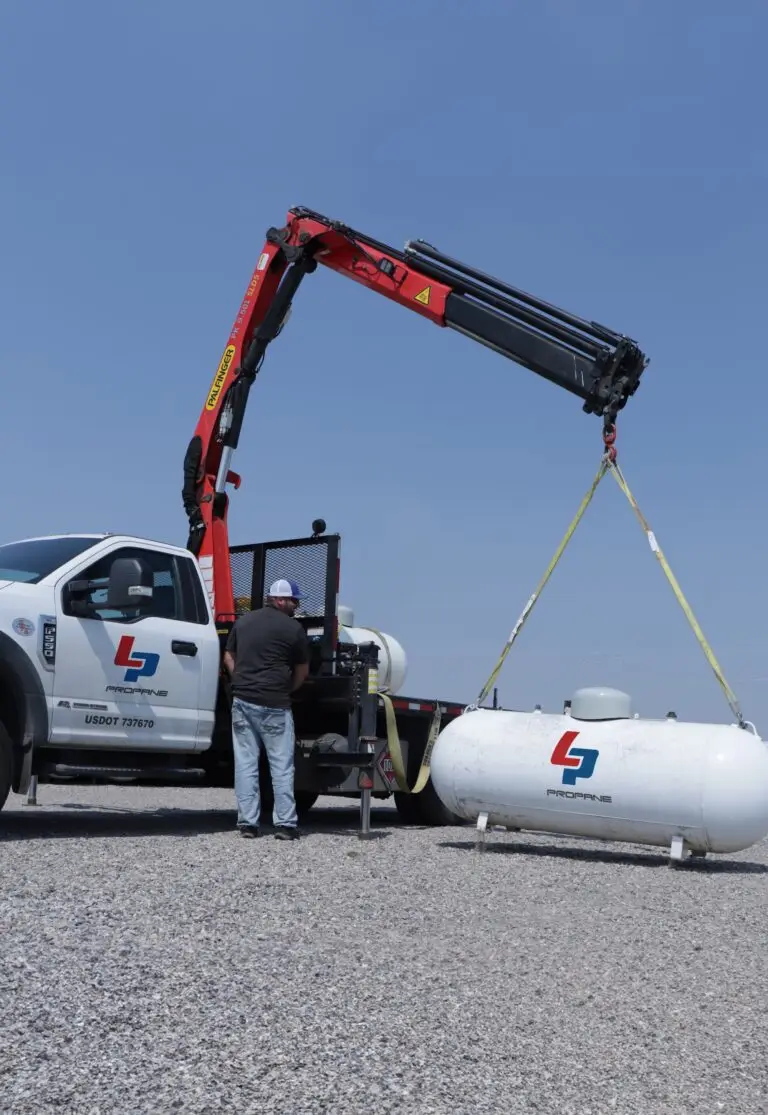
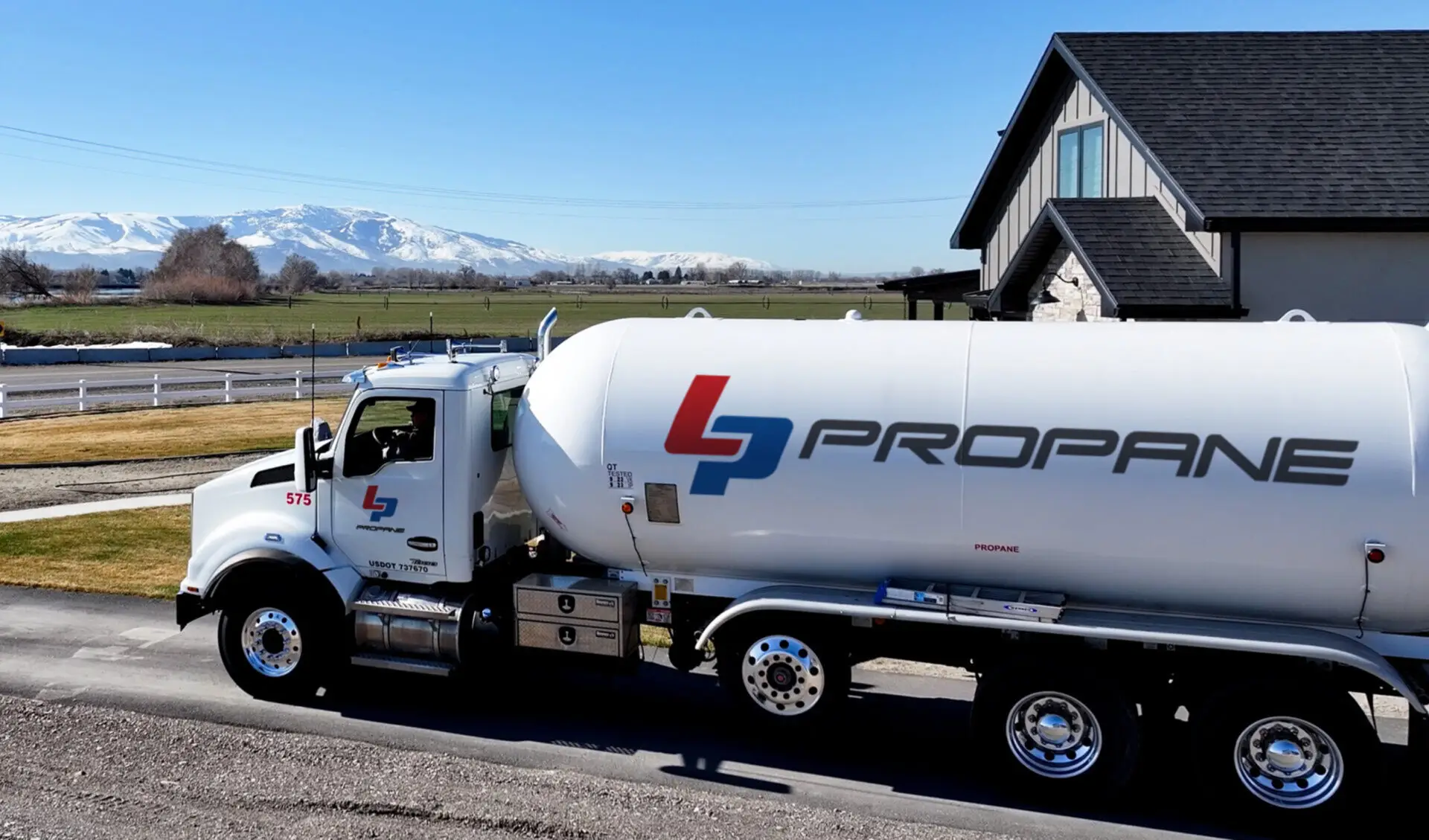
Once manufactured, propane tanks are transported via means of licensed specialists the use of specialized vehicles. These vans make certain the tank stays stable, protected, and geared up for secure setup. Delivery is scheduled primarily based on property access, local regulations, and tank size.

Choosing the Right Tank Size

Before setting up, a propane dealer evaluates the purchaser’s domestic or commercial enterprise needs. Residential residences might also require 120–500-gallon tanks, whilst farms and industrial operations regularly want 1,000 gallons or more. Proper sizing guarantees foremost performance and fewer refills.

Site Preparation and Groundwork

The floor on wherein the tank will take a seat has to be level, stable, and accessible. For underground tanks, technicians dig and line a pit; for above-floor units, a concrete or gravel pad is established to save you from moving or sinking.

Professional Tank Installation

Certified propane technicians deal with placement, anchoring, and connection to the belongings’ gas line. This step consists of configuring regulators, valves, and protection shutoff systems. Proper setup is important to lengthy-time period performance.

System Pressure Testing

Before filling, the whole gadget undergoes stress testing to test for leaks or weaknesses. This step guarantees that each connection from valves to pipes is hermetic and secure for use.

Initial Fill and Customer Orientation

Once the tank passes inspection, it gets its first propane fill. Technicians then teach the purchaser on protection protocols, regulator function, tank reading, and fundamental care.

The life cycle of a propane tank is proof that good energy is built to last!

The Active Years: How a Propane Tank Is Used and Maintained

Regular Propane Deliveries

During its energetic use, the tank is refilled periodically, manually or via clever tracking structures that alert the issuer whilst gasoline ranges drop. This guarantees uninterrupted heating and equipment operation.

Routine Visual Inspections

Technicians carry out visible assessments on regulators, valves, remedy structures, and tank surfaces. These inspections seize rust, corrosion, blockages, or put on earlier than they become problems.

Regulator Replacement Every 10–15 Years

Regulators are vital to controlling propane flow. Over time, they degrade, so a substitute is important for constant stress and protection. This step is preferred within the upkeep cycle.

Cathodic Protection for Underground Tanks

Underground tanks require periodic testing and anode replacement to prevent corrosion. This safety extends the tank’s lifespan substantially and maintains environmental protection standards.

Leak Checks and System Safety Tests

Technicians’ behaviour leaks exams in the course of refills, after excessive weather, or following lengthy periods of disuse. Catching leaks early prevents dangers and gasoline loss.

Repainting and Surface Care

For above-floor tanks, paint helps prevent rust and solar damage. Routine repainting and cleansing can be done to preserve sturdiness over decades.

End-of-Life, Removal & Recycling: The Final Stage of a Propane Tank's Journey

Determining When a Tank Should Be Retired

Most propane tanks remain 20–30 years, even though underground tanks can remain even longer with the right care. Signs of end-of-lifestyles encompass corrosion, valve failures, or previous protection features.

Safe Evacuation of Remaining Fuel

Before removal, any final propane is accurately evacuated using specialized equipment. This might also additionally contain moving gasoline to any other tank or burning it off the usage of accredited methods.

Tank Purging and Cleaning

After the propane has been removed, the tank is purged with inert fuel oil to remove any residual vapours. This guarantees it could be dealt with accurately in the course of shipping and disposal.

Professional Tank Removal

Licensed specialists disconnect lines, extract underground tanks, or carry above-floor tanks onto shipping vehicles. Care is taken to keep away from soil disruption or environmental contamination.

Tank Recycling and Scrap Processing

Most propane tanks are manufactured from wonderful metallic, which is completely recyclable. Metal recyclers repurpose the tank into new metallic products, assisting sustainable cloth recovery.

Environmental Reporting & Final Documentation

In a few states, retiring a tank, especially underground, calls for environmental documentation or reporting. Suppliers offer statistics of removal, purging, and recycling.

Why Understanding the Full Tank Life Cycle Matters

Knowing every level of a propane tank’s adventure enables purchasers to respect the price of expert setup, habitual protection, and accountable disposal. When clients apprehend the total lifestyles cycle, they’re much less likely to disregard symptoms and symptoms of wear, pass inspections, or put off replacements. This cognizance will increase protection and guarantee that homes, businesses, and farms revel in long-lasting and dependable propane service. For propane providers, a lifecycle method reinforces excessive operational requirements and builds more potent consumer relationships.

The Role of Technology in Modern Tank Management

Advanced generation has converted propane tank tracking and protection. Smart tank gauges now transmit real-time gas stages to each client and propane suppliers, eliminating the danger of run-outs. Remote tracking additionally enables optimising transport routes, lowering gas waste and enhancing efficiency. New inspection tools like ultrasonic thickness testing permit technicians to come across hidden corrosion without excavation or tank removal. As the generation evolves, the tank lifestyles cycle will become safer, greater predictable, and greener for absolutely each person involved.

When Is It Time to Replace Your Propane Tank?

Replacement will become essential whilst tanks display structural decay, previous components, or repeated carrier issues. If the tank fails inspection, does now no longer maintain strain properly, or shows signs of rust penetrations, it’s time for a retirement plan. For homeowners, an alternative can be endorsed every 20–30 years. Commercial customers with excessive calls for structures can also require greater common upgrades. Replacing a tank at the proper time protects property, increases efficiency, and guarantees compliance with protection codes.

A propane tank’s adventure, from transport and set up to many years of reliable use and sooner or later cautious disposal, is a testimony to the industry’s dedication to protection and long-time period responsibility. These tanks are constructed to last, engineered to perform, and recycled responsibly on the give up in their lifestyles. Understanding this lifestyle cycle empowers purchasers to take protection seriously, spend money on the right inspections, and recognize whilst it’s time for an upgrade. With expert care and accountable management, a propane tank genuinely represents a full-circle device of efficiency, sustainability, and power reliability.

BLAZING BLOGS

From Delivery to Disposal: The Full Life Cycle of a Propane Tank | LP Propane

How Propane Forklifts Improve Warehouse Air Quality

How Propane Forklifts Improve Warehouse Air Quality Air quality in the warehouse is one area with direct implications for worker health, productivity, or issues related to compliance. Poor air circulation, fuel exhaust, or particulate buildup could easily render worker areas

Read More »
From Delivery to Disposal: The Full Life Cycle of a Propane Tank | LP Propane

JOIN THE IGNITE PROGRAM

NEW CUSTOMER? Fill out the New Customer Application to join IGNITE.

Haven’t heard of our IGNITE Program? Learn more!
This field is for validation purposes and should be left unchanged.
Name(Required)
Service Address(Required)
AAP Agreement(Required)
You will be contacted by a Customer Service Representative to obtain your credit card information.
MM slash DD slash YYYY

State Fair Giveaway

$500 Worth of Propane

Be one of the first 200 New Customers to sign-up until September 15th to get $500 worth of propane, FREE! You’ll also get 1 year free tank rental when you switch!