Does Propane Go Bad?


It is one of the most versatile and reliable sources of energy that doesn’t only heat homes but also fuels outdoor grills. Does propane go bad? or Can propane go bad? Such questions ultimately cross the minds of users who are always worried about the storage and shelf life of fuel. Unlike most fuels, propane is extremely stable, not degrading with time. Nevertheless, many factors will influence the usability and safety of propane, such as the condition of the tank, the storage practices, and expiration dates. This article tries to explore if propane expires, what makes its shelf life lessened, and how to keep your propane supply performing at its best.

Does Propane Go Bad? - A Detialed Study | LP Propane

Propane’s Lifespan

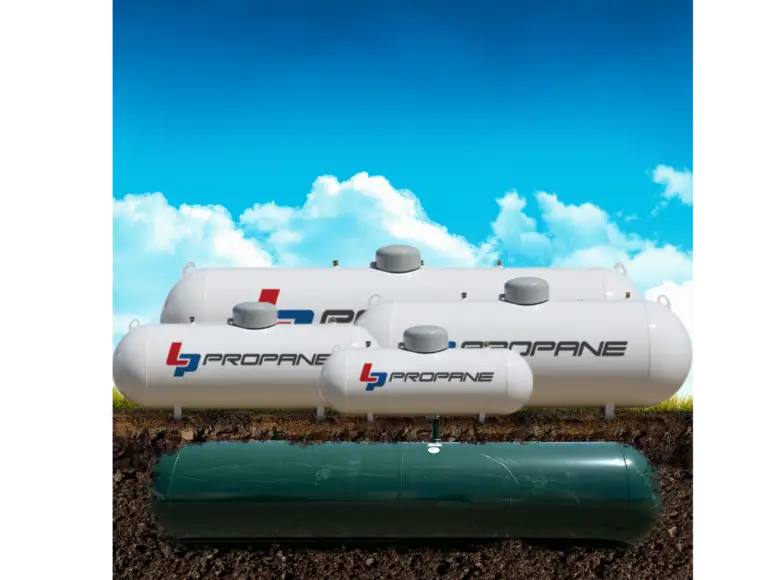
Propane’s stability is one of its major benefits. Propane is a very stable hydrocarbon as compared to gasoline or diesel, which can easily degrade due to exposure to air and contact with moisture, propane is a highly stable hydrocarbon. It cannot oxidize, separate, or degrade; thus, it may be stored for any length of time provided that it is stored under appropriate conditions. This is why propane is a great fuel for backup generators, long-term energy storage, or off-grid living. What matters most here is not the propane itself but the container in which it is kept. The condition of the tank, its expiration date, and the storage environment all play a role in ensuring that the propane remains usable.

Factors That Affect Propane Usability

Tank Condition

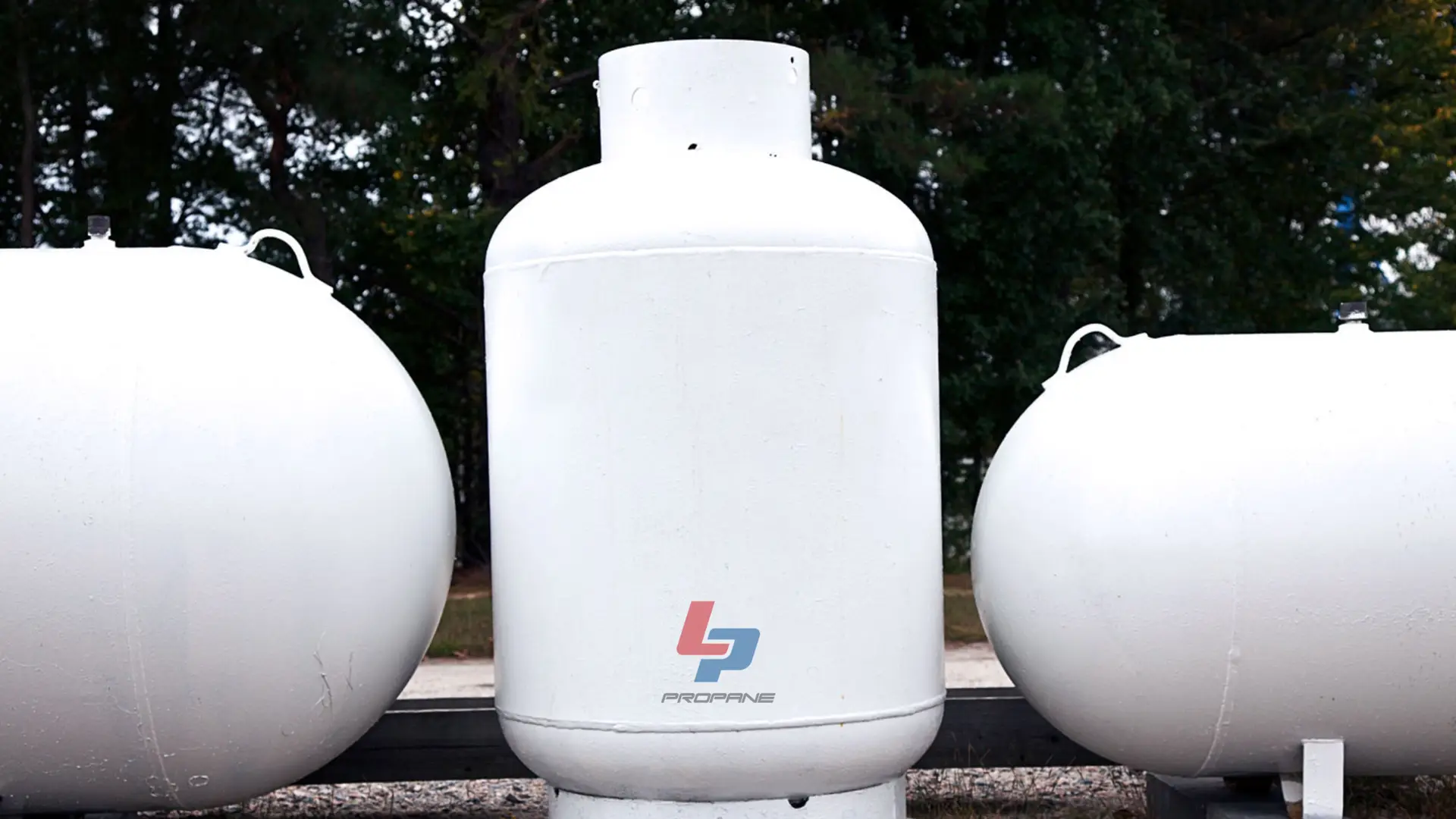
Propane does not have an expiration date, but the tank it is stored in might. Propane tanks can rust, leak, or become structurally weak over time. This not only affects the usability of the propane but also poses safety risks.

Tank Storage

Tanks should be kept in a cool, dry location with no exposure to direct sunlight or extreme weather. Otherwise, there could be fluctuating pressure levels, or perhaps valve damage will happen, like leaking from the propane tank.

Propane Tank Expiration Date

Propane tanks also have an expiration date. Most of them are made to last for 10 to 12 years after manufacture. After this, they have to be recertified or replaced. Ignoring the propane tank expiration date may lead to leaks or a failed tank that would pose risks to safety.

Proper storage means your propane
stays ready to fuel your future!

Tank Safety and Maintenance

Propane tanks should be serviced on a regular basis to ensure the propane is safe and usable. Tanks degrade over time with wear and tear, which eventually compromises their safety and functionality.

Corrosion and Rust

Among the most common causes of corrosions in tanks is rusting. When rust has developed on the outer cover of a propane tank, it weakens the structural strength in the system. This reduces its capacity to store propane safely and exposes the tank to the possibilities of leaking and ruptures. Severe corrosion can end up making the entire tank unusable and very dangerous. To prevent this, regular inspection and protective measures, such as applying a rust-resistant coating or storing the tank in a dry, sheltered area, are essential.

Valve Integrity

The valve is many times referred to as the heart of the propane tank, since it manages the flow of propane. A damaged or worn-out valve can bring about leaks of propane, contributing to fuel loss and even posing risks towards safety. A faulty valve also becomes unable to connect a tank or disconnect it from appliances, making it hard to use. Checking the valve regularly for wear, cracks, or debris accumulation is key to efficiency and safety. Repairing a faulty valve in time can prolong the life of your tank and prevent accidents.

Storage Conditions Matter

The usability of propane is a function of the state of the tank before and during storage. Proper storage practices ensure that your propane remains safe, effective, and ready to use when needed.

Temperature Control

Propane tanks must be stored in a cool, well-ventilated room. The high temperature increases the internal pressure of the tank, which may cause leakage or breakage of valves. Conversely, extreme low temperatures decrease the internal pressure of the tank, and propane struggles to flow normally when used. Storage at a moderately stable temperature day in and out keeps its efficiency and safety.

Regular Inspection

Regular inspection of the tank helps detect small signs of damage like rust, dents, or leaks. If not inspected for a long period, the small problems that may have arisen in the tank may grow to be bigger issues over time. If regularly inspected and any visible signs of wear or damage are addressed, accidents may be averted, the lifespan of the tank extended, and the propane remains usable.

Do Not Overfill the Tank

Overfilling the propane tank will cause more pressure inside the propane tank, creating safety risks. In extreme cases, it may even force the propane to vent out from the tank by creating an unnecessary release of pressure, thus fuel wastage apart from the hazard of fire and explosion if in unsafe conditions. The tank needs to be filled up to its recommended level so that performance along with safety may be achieved to the fullest extent. Not overfilling also has the benefit of unnecessary loss of fuel and fewer refills.

How to Dispose of Expired Propane Tanks

When propane tanks expire, it is upon you to discard them safely. Handling the obsolete tanks can give rise to severe safety risks of leakage, explosion, or ignition. Here are the ways by which expired propane tanks can be handled:

Recertification

An expired propane tank can sometimes be recertified by a certified professional; it is thoroughly inspected to determine if it’s safe and if it’s in good working condition. If it passes the inspection, its lifespan can be extended up to five years. This is also a cost-effective and environmentally friendly choice since it avoids the generation of waste by not replacing the tank but continuing with the same one.

Replacement

A tank is best replaced if it is badly rusted, dented, or its valve is damaged. This will mean higher initial cost but will provide safety and rule out risks involved with the old or deteriorated tank. Buying a new tank gives one the comfort of modern safety features and a new lifespan.

How to Dispose of Old Tanks Properly

Never dispose of used propane tanks in household trash because there can be residual propane, which can be dangerous. Instead, recycle them, return them to propane dealers that offer trade-in programs, or take them to community hazardous waste events. This way, safety and environmental protection are guaranteed.

Ensuring The Longevity Of Propane

In summary, propane itself does not go bad; hence, it is one of the most stable and reliable fuel sources available. However, usability depends on the storage and if the tank is in good condition. Always check the propane tank expiration date, maintain the tank properly, and store it under ideal conditions to ensure the safety and longevity of your propane supply. Knowing whether propane goes bad, does propane expire, or whether propane can go bad will help you understand the efficient and safest use of this commodity. Therefore, with proper care and storage, propane will also prove to be a reliable energy source for many coming decades.

BLAZING BLOGS

Does Propane Go Bad? - A Detialed Study | LP Propane

Top 5 Propane Industry Questions for 2026

Top 5 Propane Industry Questions for 2026 The propane industry is moving into 2026 with new challenges and opportunities. Changing customer expectations, digital buying habits, technology improvements, and energy conversations are shaping how propane businesses connect with their markets. Customers

Read More »
Does Propane Go Bad? - A Detialed Study | LP Propane

Understanding Propane Prices in 2026

Understanding Propane Prices in 2026 Propane prices in 2026 refer to the amount consumers pay for propane fuel based on supply, demand, production levels, weather patterns, storage availability, transportation costs, and energy market conditions. Propane prices in 2026 are an

Read More »

State Fair Giveaway

$500 Worth of Propane

Be one of the first 200 New Customers to sign-up until September 15th to get $500 worth of propane, FREE! You’ll also get 1 year free tank rental when you switch!

JOIN THE IGNITE PROGRAM

NEW CUSTOMER? Fill out the New Customer Application to join IGNITE.

Save $0.05 Per Gallon with the IGNITE Program Learn more!

This field is for validation purposes and should be left unchanged.
Name(Required)
Service Address(Required)
AAP Agreement(Required)
You will be contacted by a Customer Service Representative to obtain your credit card information.
Terms of Service(Required)

LP Propane Ignite Program – Terms and Conditions

1. Eligibility and Program Requirements
To qualify for and maintain enrollment in the LP Propane Ignite Program and receive the $0.05 per gallon fuel discount, the Customer must simultaneously enroll in and maintain active status in the following three core services:

Auto Fill Delivery: The Customer authorizes LP Propane to automatically monitor, schedule, and deliver propane to the designated tank when levels dictate, bypassing the standard Will Call scheduling requirements.

Auto Pay: The Customer must maintain a valid, authorized payment method on file (Credit Card, Debit Card, or ACH/Direct Draft). Invoices will be automatically drafted within 7 days after the delivery.

Paperless Billing: The Customer agrees to receive all invoices, statements, and program communications via email. Opting out of online billing or requesting paper statements will result in a $4.95 monthly fee and disqualification from the program.

2. Fuel Discount Terms

The $0.05 per gallon discount applies exclusively to the standard market rate of propane at the exact time of delivery.

The discount is applied automatically on invoice.

This discount cannot be combined with specific commercial contract pricing or volume discounts unless expressly authorized in writing by LP Propane.

3. Tank Monitoring and Delivery Access

LP Propane may utilize physical tank monitors or advanced usage-tracking algorithms to schedule deliveries.

Access Requirements: The Customer must ensure the propane tank is always completely accessible to delivery personnel and vehicles. The pathway must be free of obstacles, locked gates, debris, or unrestrained animals within a 100-foot radius.

Seasonal Maintenance: During winter months, the Customer is legally responsible for clearing snow, ice, and paths leading to the tank. If a delivery vehicle cannot safely access the tank, the delivery will be delayed, and any emergency filling fees incurred due to subsequent low fuel levels will be billed to the Customer.

4. Credit Status and Payment Failures

If an Auto Pay transaction is declined or fails for any reason (e.g., expired card, insufficient funds), the Customer must update their account billing details immediately. If the transaction remains unprocessed for 30 days despite attempts by LP Propane to contact the Customer, the account will be automatically unenrolled from the program.

If an account balance becomes past due, LP Propane reserves the right to suspend Auto Fill privileges, pause the $0.05 per gallon discount, and transition the account to a "Will Call / Cash on Delivery" basis until the account is brought current and after review and approval of LP Propane’s credit department.

5. Program Termination or Changes

Customer Termination: Removing any of the mandatory components (Auto Fill, Auto Pay, or Paperless Billing) constitutes voluntary termination from the program. If you would like to opt out of the Ignite program you must submit 30 day written notice

Company Modifications: LP Propane reserves the right to alter, modify, or terminate the Ignite Program framework, including discount amounts or underlying eligibility terms.

MM slash DD slash YYYY