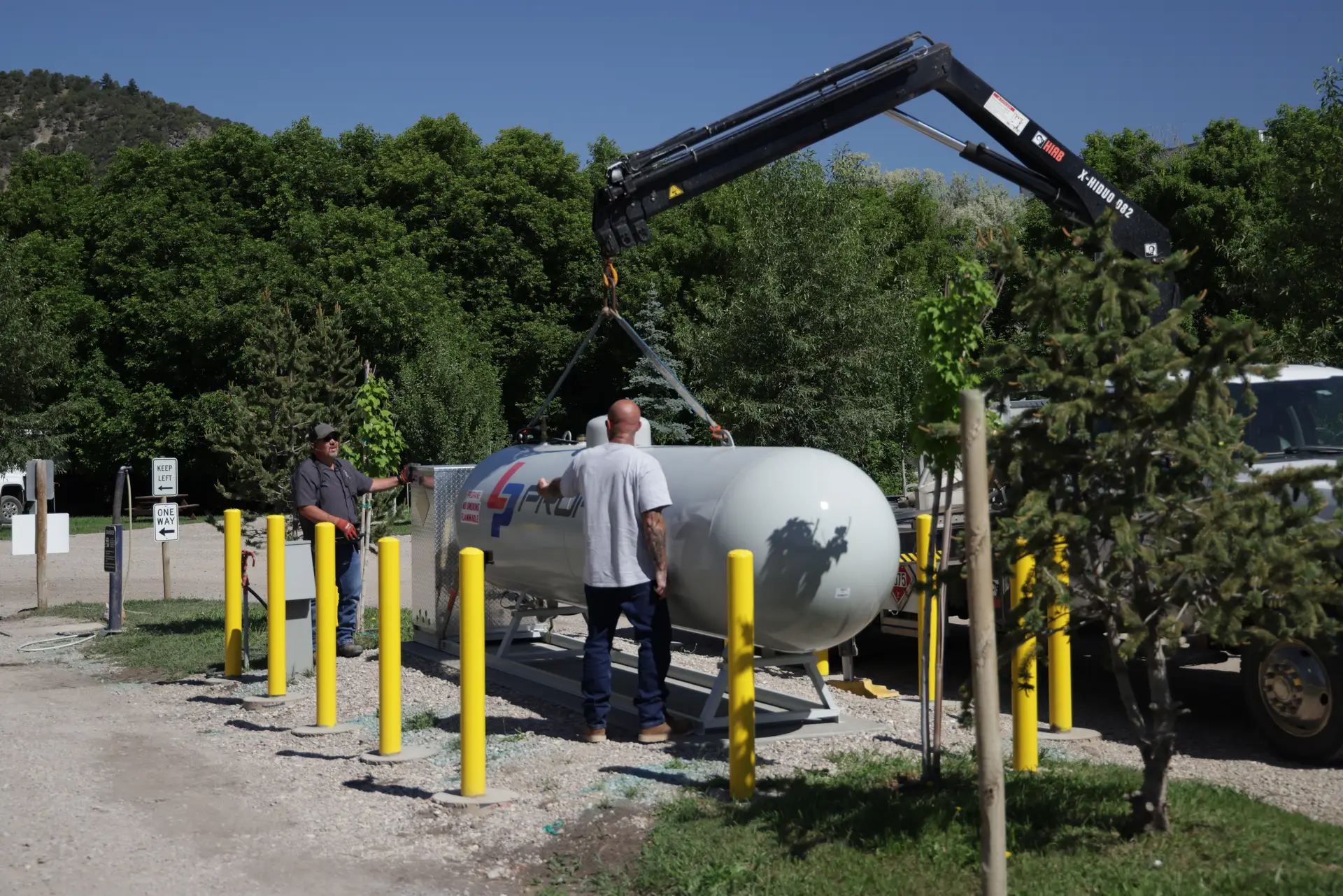
Propane tanks are extensively used throughout commercial, residential, industrial, and agricultural properties. If it’s used for heating homes, powering a generator, managing a commercial kitchen, or powering agricultural equipment, it remains an efficient and safe energy source. When you’re thinking of putting in or constructing an above-ground propane tank, a single problem pops up nearly every time: Does the propane tank require the use of a concrete pad? It is a simple fact that none of the Propane tanks require a concrete pad; however, many installations will benefit from one, and in some areas, local codes or propane providers may need it. Concrete pads are stable and prevent corrosion. They also limit tank movement and provide a clean, secure, accessible, and safe environment around the tank. There are other acceptable alternatives, such as compacted gravel blocks, precast blocks, and steel skids.Knowing when the requirement for concrete pads is contingent on the size of the tank, the soil condition, the weather conditions, local building codes, and the environment in which it is installed. Property managers and homeowners need to consider the time the tank is expected to remain on the ground, the tank’s weight when full, and whether the space is subject to shifting, water, or settling. This article provides a comprehensive, research-based guide that equips you with the necessary information, alternatives, and best practices to make an informed decision about the foundation for your propane tank.
Will Propane Prices Change During Winter 2026–2027?
Will Propane Prices Change During Winter 2026–2027? Propane prices could change during winter 2026–2027 as colder temperatures, heating demand, fuel inventories, and transportation costs influence what American households pay. While propane prices often rise during the heating season, this winter’s
Is Buying Propane in Bulk Cheaper in 2026?
Is Buying Propane in Bulk Cheaper in 2026? Buying propane in bulk can be cheaper in 2026, especially for homeowners and businesses that use large amounts of fuel throughout the year. However, a lower price per gallon does not always