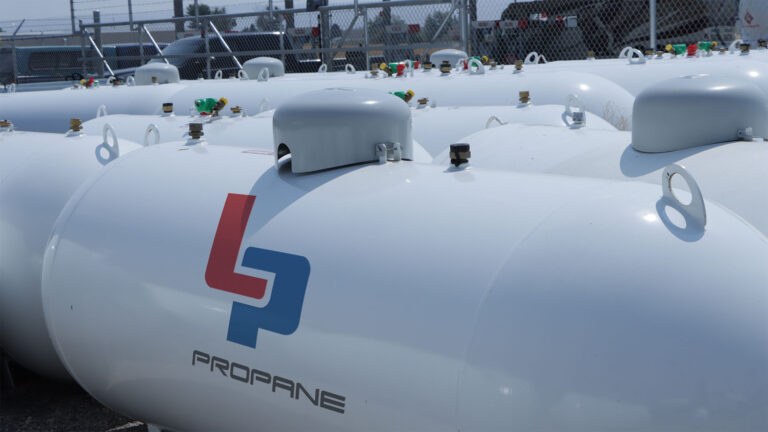
Is it possible to bury a 1,000-gallon Propane Tank?

However, the really important question is, are you able to legally and securely put a 1,000-gallon Propane Tank? Yes, but only if it was specifically designed for underground installations and if all steps comply with construction codes, Propane Installation guidelines, and soil safety requirements.

It is not possible to bury an above-ground tank without considering corrosion protection, backfill type, soil type, and clearance requirements. The proper burial of a Propane Tank includes reinforced corrosion-resistant coatings, cathodic shielding, a safe dome to protect valves, controlled burial depths, and adherence to NFPA 58. If done right, underground systems are durable, quiet, and secure. When it’s not properly done, the system becomes a safety threat, a risk of pressure loss, and a liability risk.The comprehensive guide will cover everything, including requirements, steps for installation, pros and cons, safety considerations, cost, upkeep, and whether burying a 1,000-gallon Propane Tank would be a wise choice for your house.
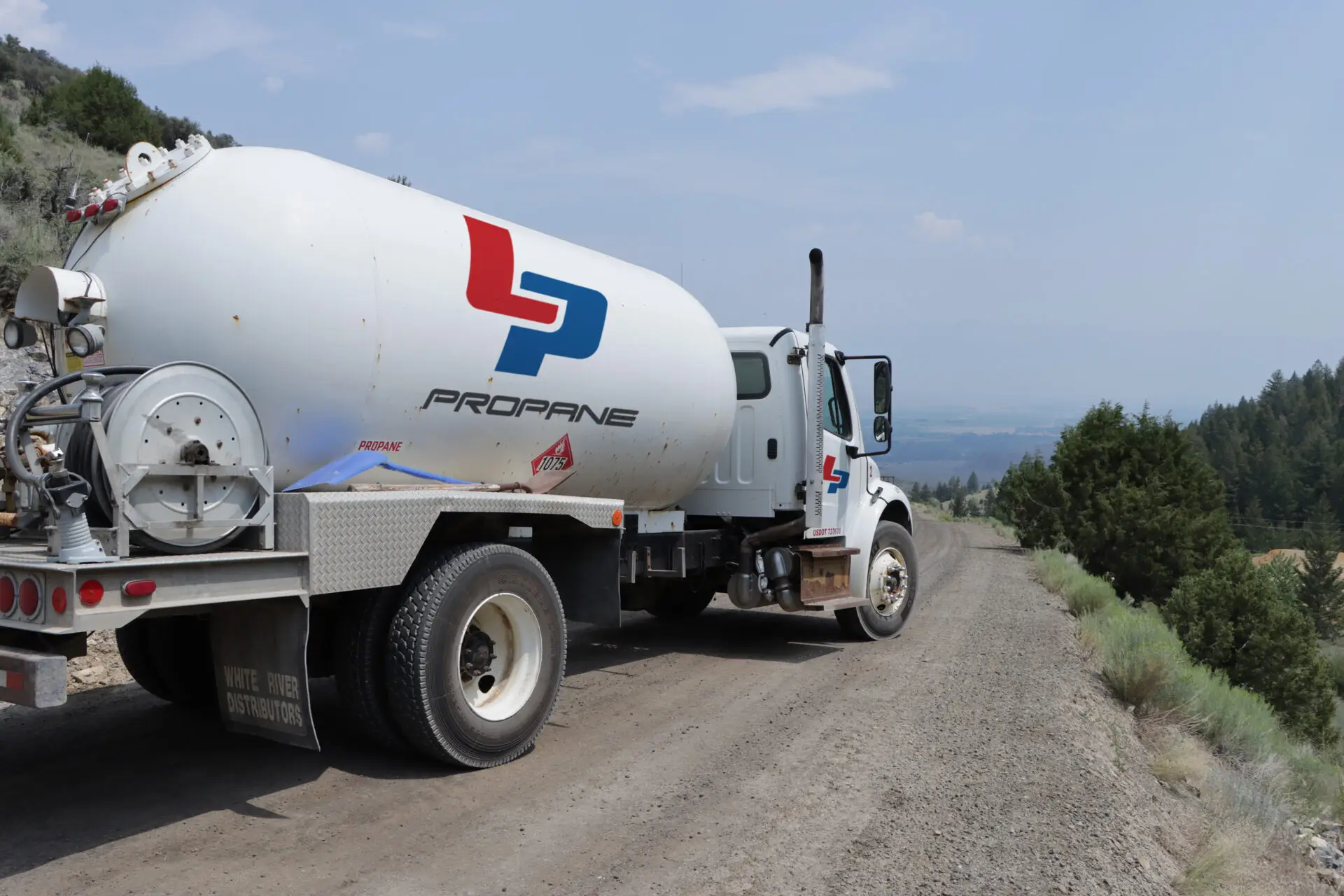
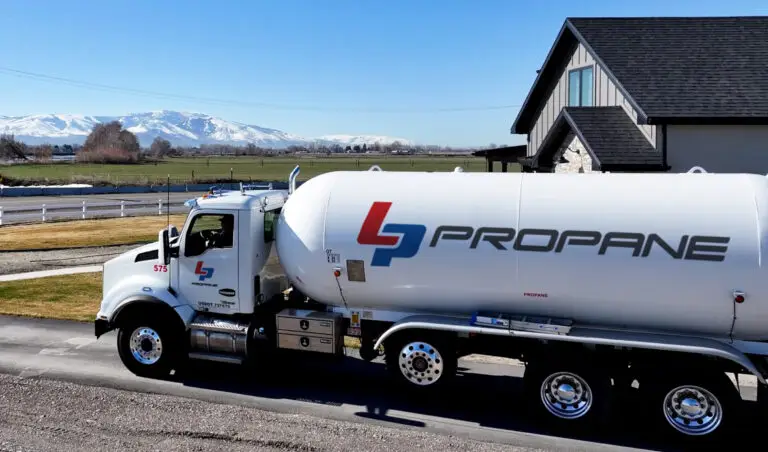
Is it possible to bury a 1,000-gallon Propane Tank? | LP Propane

The requirements to be met before burying a 1,000-gallon Propane Tank

Underground Tank Certification

The majority of 1000-gallon propane tanks are designed to be buried. Underground models are protected by thick coatings, wrapped steel, strong welds, and a factory-installed dome to allow valve access. Only certified ASME underground Propane Tanks can be placed in the ground safely and legally.

Protection from Corrosion

The corrosive nature of soil water corrodes steel. This is why underground Propane Tanks should have specific epoxy coatings, as well as sacrificial anode bags that protect the surface from rusting over time.

Cathodic Protection System

Cathodic protection is required in any underground Propane Tank. The system uses magnesium anodes, which cause corrosion rather than the tank itself. The anodes need to be checked regularly to ensure your tank remains safe.

Local Code Compliance

Before beginning excavation, property owners should check the local rules of jurisdiction. A majority of places require permits and inspections, specific excavation depths, distances from property lines, roads, and building lines, and avoidance of ignition sources.

Water Table and Soil Situations

The soil must be stable, and the water level must be low enough. Tank anchoring is required in high-water zones to reduce buoyancy. It is possible that the soil in the area needs an additional layer of padding to prevent damage to the tank during backfilling.

Professional Installation

Certain designed devices (with specific control and monitoring) can manage various filling strategies; however, these are not common and generally require regulatory approval as well as additional precautions to protect.

A 1,000-gallon propane tank is safe to bury if it’s made for underground use and installed per soil and local code requirements.

The advantages of placing a 1,000-gallon Propane Tank

Better Aesthetics

Underground tanks can eliminate bulky aboveground tanks, keeping your property neat and attractive. Ideal for high-end or landscaped properties.

Improved Temperature Stability

Tanks in the storage area stay cooler throughout the summer and warmer in the winter months, reducing pressure fluctuations and improving propane delivery performance.

Protecting Yourself From the Weather

Extreme heat, severe storms, hail, and UV rays do not harm underground tanks. The result is greater longevity and fewer maintenance problems.

Improved Security

The underground location reduces the risk of vehicle accidents or vandalism, particularly in open properties.

An increase in the value of your property

Properties with Propane-based underground heating systems are often more contemporary and tidy, which appeals to prospective buyers.

Quiet Operation

Tanks that are buried eliminate sound from tank expansion or rain strikes, rendering them virtually unnoticeable in everyday use.

How to install a 1,000-Gallon underground Propane Tank

1. Evaluation of the Site

Professionals inspect the area for gas lines, utilities, electric cables, water pipes, and it is the best place for excavation.

Step 2: Digging into the Excavation Pit

A 1,000-gallon Propane Tank requires a huge hole, usually deeper and larger than the tank, to allow enough room for backfilling. The soil’s stability is important to prevent the tank from collapsing.

Step 3: Getting the Basis

The pit’s bottom is covered with pea gravel to form an even, soft bed that helps prevent damage to the tank and assures a level, consistent.

Step 4. Lowering the Tank

A crane or excavator slowly lowers the underground Propane Tank to its proper position. Installers ensure that the dome aligns with the ground level to allow future use.

Step 5. Installing Cathodic Protection

Anodes are placed along the tank’s perimeter to protect it from rust. Every connection must be checked before burial.

6. Backfilling covering

The pit is filled with soft fill, compacted with soil. Warning tape is placed over the tank to warn future excavation workers. The dome must remain over the grade to allow filling and inspections.

Do you think burying a 1,000-gallon Propane Tank is a Good Idea for you?

A buried propane tank has many advantages; however, the best option depends on the type of property, the condition of your soil, your budget, and your plans. Ideal for people who need cleanliness in their yards or commercial properties where appearance is important, as well as for areas with fluctuating temperatures. But it’s not ideal for sandy soils, flood-prone regions, or budgets that can’t afford the extra cost compared to above-ground installations.Installing a 1,000-gallon underground Propane Tank is considerably more expensive than installing an above-ground tank due to excavation, coatings, and protection systems. Underground 1,000-gallon Propane Tanks are more costly due to strengthened construction and corrosion-resistant coatings. Digging huge pits requires heavy equipment, skilled workers, and the disposal of soil, which typically accounts for the biggest cost component. Soft-filled, non-corrosive materials will be needed to safeguard tanks from external damage. Sacrificial anodes and corrosion testing equipment can increase overall installation costs. Most cities require inspections before, during, and after installation, which adds to the total cost. While underground tanks can last for decades, cathodic protection testing is required every 3 to 5 years.

Security Considerations when burying the Propane Tank of 1000 Gallons

The dome needs to be visible above ground so the Propane company can check the valves and safely refill the tank. Most installations require a minimum of 10-25 feet of clearance from buildings, as required by local codes. Heavy vehicles shouldn’t traverse over tanks that are reinforced by traffic-rated concrete covers. If water levels are rising, the underground tank must be properly secured to prevent it from floating or shifting. Failing anodes may allow corrosion to attack the tank’s walls, reducing its lifespan. Regular inspections every year ensure that tanks are completely safe, pressurized, and free of corrosion.

When constructed correctly, they are safe. Propane is not toxic and will not affect groundwater or soil. Environmental risks are primarily caused by improperly constructed tanks, unprotected steel, and poor-quality backfill. The proper use of guidelines will ensure years of ecologically stable performance.

Final thoughts

You can indeed place a 1,000-gallon Propane Tank in many residential and commercial buildings; it’s the most effective and attractive alternative. It is important to ensure it is built for underground use and installed in accordance with the strictest safety requirements. If done right, the underground Propane Tank will last more than 30 years, provide steady performance, and help keep your property neat and attractive. The success of the project depends on skilled installation, appropriate corrosion protection, regular inspections, and compliance with local Propane rules.

BLAZING BLOGS

Is it possible to bury a 1,000-gallon Propane Tank? | LP Propane

How Propane Forklifts Improve Warehouse Air Quality

How Propane Forklifts Improve Warehouse Air Quality Air quality in the warehouse is one area with direct implications for worker health, productivity, or issues related to compliance. Poor air circulation, fuel exhaust, or particulate buildup could easily render worker areas

Read More »

Add Your Heading Text Here

JOIN THE IGNITE PROGRAM

NEW CUSTOMER? Fill out the New Customer Application to join IGNITE.

Haven’t heard of our IGNITE Program? Learn more!
This field is for validation purposes and should be left unchanged.
Name(Required)
Service Address(Required)
AAP Agreement(Required)
You will be contacted by a Customer Service Representative to obtain your credit card information.
MM slash DD slash YYYY

State Fair Giveaway

$500 Worth of Propane

Be one of the first 200 New Customers to sign-up until September 15th to get $500 worth of propane, FREE! You’ll also get 1 year free tank rental when you switch!