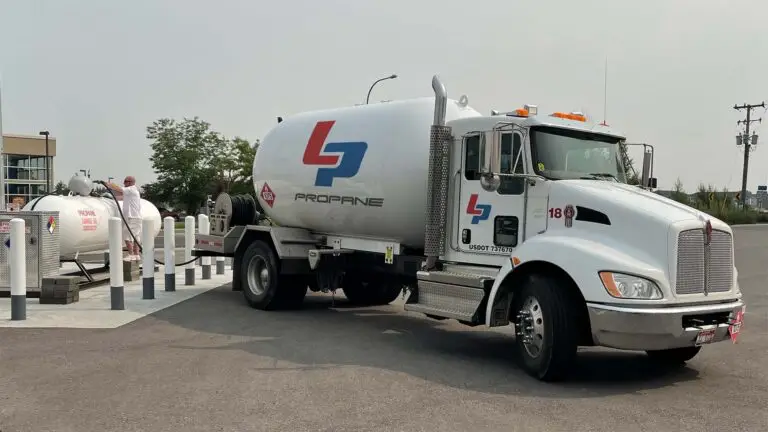
Can Renewable Propane Work in Existing Gas Appliances?

Yes, renewable propane can work in existing propane appliances without requiring major equipment changes. It has the same chemical structure as conventional propane, allowing homeowners and businesses to use it in propane furnaces, water heaters, cooking ranges, generators, and other compatible equipment. Many property owners want to reduce their environmental impact without replacing expensive gas systems. Renewable propane offers a practical option because it works with existing propane storage tanks, piping, and appliances. Unlike switching to a completely different fuel, moving from conventional propane to renewable propane generally does not require replacing burners or changing the fuel delivery system. However, compatibility depends on the type of gas your appliances currently use. Equipment designed for natural gas cannot automatically operate on renewable propane without an approved conversion. Understanding these differences can help you decide whether renewable propane is suitable for your home or business.

Overview

  • Renewable propane works in existing propane appliances without major modifications.
  • Furnaces, water heaters, cooking ranges, and generators can use renewable propane.
  • Existing propane tanks, gas lines, and regulators generally remain compatible.
  • Renewable propane can reduce lifecycle carbon emissions compared to conventional propane.
  • Check fuel availability, pricing, and appliance compatibility before switching.
Can Renewable Propane Work in Existing Gas Appliances? | LP Propane

How Does Renewable Propane Work in Existing Appliances?

Identical Chemical Structure

Renewable propane and conventional propane share the same chemical formula, C₃H₈. This means both fuels behave the same way during combustion, allowing properly functioning propane appliances to operate on either fuel.

Existing Appliance Compatibility

Appliances designed for conventional propane can generally use renewable propane without modifications. Common examples include residential furnaces, gas fireplaces, cooking ranges, water heaters, and commercial heating equipment.

Standard Gas Pressure

Renewable propane uses the same operating pressure requirements as conventional propane. Many residential propane appliances require an inlet pressure around 11 inches of water column, although the correct setting depends on the appliance manufacturer’s specifications.

Existing Storage Tanks

Standard propane storage tanks can hold renewable propane because both fuels have the same basic physical properties. Homeowners typically do not need new cylinders, underground tanks, or aboveground storage systems when switching between the two fuels.

Existing Gas Lines

Renewable propane can move through piping and distribution equipment designed for conventional propane. Existing propane regulators, valves, and connections can generally remain in service if they meet current safety requirements and are in good condition.

Similar Heating Performance

Renewable propane provides essentially the same heating energy as conventional propane. A gallon of propane contains approximately 91,500 BTUs, so users should expect comparable heat output and fuel consumption under similar operating conditions.

Keep your appliances running with renewable propane.

Which Gas Appliances Can Use Renewable Propane?

Propane Furnaces

Residential and commercial propane furnaces can operate on renewable propane while maintaining their normal heating capacity. Existing burners, regulators, and heating controls generally continue working as designed when supplied with fuel that meets the required propane specifications.

Gas Water Heaters

Propane water heaters, including conventional storage models and tankless systems, can use renewable propane. The fuel provides the same type of combustion and heat output, allowing these appliances to continue delivering hot water without changing their operating principles.

Propane Cooking Ranges

Stoves, ovens, and commercial cooking equipment designed for propane can operate using renewable propane. Restaurants can maintain normal cooking temperatures and burner performance because the fuel has essentially the same energy content as conventional propane.

Gas Fireplaces

Propane fireplaces and decorative gas heating appliances can use renewable propane when their equipment is approved for propane. The fuel produces similar heating performance, although regular maintenance remains necessary for safe combustion and proper ventilation.

Propane Generators

Standby generators designed to run on propane can generally operate using renewable propane. Businesses and homeowners can maintain backup power systems without replacing the engine or fuel delivery components solely because they switch to renewable propane.

Commercial Gas Equipment

Commercial boilers, warehouse heaters, agricultural equipment, and industrial propane systems can also use renewable propane. Facilities with existing propane infrastructure may be able to adopt the fuel without purchasing new heating or processing equipment. 

What Should You Check Before Switching to Renewable Propane?

Check Appliance Labels

Look at the appliance rating plate to confirm whether it operates on propane, LP gas, or natural gas. Renewable propane is directly compatible with propane appliances, but natural gas appliances may require an approved conversion before using propane fuel.

Confirm Fuel Quality

Ask the supplier whether the renewable propane meets applicable fuel quality requirements, such as ASTM D1835. Fuel that meets the correct propane specifications helps maintain normal combustion, storage, and equipment performance.

Review Tank Conditions

Inspect the age and maintenance history of the existing propane storage tank. Renewable propane generally does not require a new tank, but damaged valves, corroded components, or outdated equipment should be assessed by a qualified professional.

Check Local Availability

Renewable propane is not available through every propane supplier. Supply remains concentrated in certain U.S. markets, particularly states with clean fuel programs, so availability may depend on your location and delivery arrangements.

Compare Fuel Prices

Renewable propane prices can differ from conventional propane because of production costs, transportation, local supply, and clean fuel incentives. Request current delivered prices rather than assuming renewable propane will cost the same amount.

Consult Your Supplier

Contact your propane supplier before making the change to confirm fuel specifications, delivery options, and storage compatibility. A qualified technician should also assess any appliance that has existing operating problems or requires fuel conversion.

Can Renewable Propane Replace Natural Gas in Existing Appliances?

Renewable propane cannot directly replace natural gas in appliances designed only for natural gas. Although both fuels can power heating and cooking equipment, they have different energy contents, supply pressures, and combustion requirements. Propane contains approximately 2,500 BTUs per cubic foot, compared with roughly 1,000 BTUs per cubic foot for natural gas. Because of this difference, natural gas appliances may require different burner orifices, regulators, or other manufacturer-approved conversion components before operating on propane. Some appliances support conversion between natural gas and propane, while others do not. A qualified gas technician must confirm whether conversion is permitted and complete the work according to manufacturer instructions and applicable codes.

Is Renewable Propane Better for the Environment?

Renewable propane can reduce lifecycle greenhouse gas emissions compared with conventional propane because manufacturers produce it from renewable materials such as vegetable oils, animal fats, and used cooking grease. These materials can reduce dependence on fossil fuel feedstocks. According to the U.S. Department of Energy’s Alternative Fuels Data Center, renewable propane can have carbon intensity up to four times lower than conventional propane, depending on how the fuel is produced and which materials are used. Carbon intensity measures greenhouse gas emissions associated with producing, transporting, and using energy. However, renewable propane still releases carbon dioxide when burned. Its main environmental benefit comes from lower emissions across the fuel’s lifecycle, not from eliminating combustion emissions. Actual savings depend on the feedstock, production process, and supply chain.

Should You Switch to Renewable Propane?

Renewable propane offers a practical way to reduce the lifecycle carbon emissions associated with propane use while continuing to operate existing equipment. Because it is chemically identical to conventional propane, most propane furnaces, water heaters, cooking appliances, generators, and commercial systems can use it without modification. The main considerations are fuel availability, delivered pricing, supplier arrangements, and the condition of your existing propane system. Appliances designed for natural gas require separate compatibility checks and may need approved conversion work. If you already use propane, contact your fuel supplier to ask about renewable propane availability, fuel specifications, and delivery costs. Reviewing these details can help you decide whether switching makes financial and operational sense while keeping the equipment you already own.

BLAZING BLOGS

Can Renewable Propane Work in Existing Gas Appliances? | LP Propane

What Causes Low Propane Pressure in Commercial Buildings?

What Causes Low Propane Pressure in Commercial Buildings? Low propane pressure in commercial buildings can interrupt daily operations, reduce heating performance, and prevent important equipment from working properly. Restaurants may struggle with weak burner flames, warehouses may experience poor heating,

Read More »
Can Renewable Propane Work in Existing Gas Appliances? | LP Propane

Will Propane Prices Change During Winter 2026–2027?

Will Propane Prices Change During Winter 2026–2027? Propane prices could change during winter 2026–2027 as colder temperatures, heating demand, fuel inventories, and transportation costs influence what American households pay. While propane prices often rise during the heating season, this winter’s

Read More »

State Fair Giveaway

$500 Worth of Propane

Be one of the first 200 New Customers to sign-up until September 15th to get $500 worth of propane, FREE! You’ll also get 1 year free tank rental when you switch!

JOIN THE IGNITE PROGRAM

NEW CUSTOMER? Fill out the New Customer Application to join IGNITE.

Save $0.05 Per Gallon with the IGNITE Program Learn more!

This field is for validation purposes and should be left unchanged.
Name(Required)
Service Address(Required)
AAP Agreement(Required)
You will be contacted by a Customer Service Representative to obtain your credit card information.
Terms of Service(Required)

LP Propane Ignite Program – Terms and Conditions

1. Eligibility and Program Requirements
To qualify for and maintain enrollment in the LP Propane Ignite Program and receive the $0.05 per gallon fuel discount, the Customer must simultaneously enroll in and maintain active status in the following three core services:

Auto Fill Delivery: The Customer authorizes LP Propane to automatically monitor, schedule, and deliver propane to the designated tank when levels dictate, bypassing the standard Will Call scheduling requirements.

Auto Pay: The Customer must maintain a valid, authorized payment method on file (Credit Card, Debit Card, or ACH/Direct Draft). Invoices will be automatically drafted within 7 days after the delivery.

Paperless Billing: The Customer agrees to receive all invoices, statements, and program communications via email. Opting out of online billing or requesting paper statements will result in a $4.95 monthly fee and disqualification from the program.

2. Fuel Discount Terms

The $0.05 per gallon discount applies exclusively to the standard market rate of propane at the exact time of delivery.

The discount is applied automatically on invoice.

This discount cannot be combined with specific commercial contract pricing or volume discounts unless expressly authorized in writing by LP Propane.

3. Tank Monitoring and Delivery Access

LP Propane may utilize physical tank monitors or advanced usage-tracking algorithms to schedule deliveries.

Access Requirements: The Customer must ensure the propane tank is always completely accessible to delivery personnel and vehicles. The pathway must be free of obstacles, locked gates, debris, or unrestrained animals within a 100-foot radius.

Seasonal Maintenance: During winter months, the Customer is legally responsible for clearing snow, ice, and paths leading to the tank. If a delivery vehicle cannot safely access the tank, the delivery will be delayed, and any emergency filling fees incurred due to subsequent low fuel levels will be billed to the Customer.

4. Credit Status and Payment Failures

If an Auto Pay transaction is declined or fails for any reason (e.g., expired card, insufficient funds), the Customer must update their account billing details immediately. If the transaction remains unprocessed for 30 days despite attempts by LP Propane to contact the Customer, the account will be automatically unenrolled from the program.

If an account balance becomes past due, LP Propane reserves the right to suspend Auto Fill privileges, pause the $0.05 per gallon discount, and transition the account to a "Will Call / Cash on Delivery" basis until the account is brought current and after review and approval of LP Propane’s credit department.

5. Program Termination or Changes

Customer Termination: Removing any of the mandatory components (Auto Fill, Auto Pay, or Paperless Billing) constitutes voluntary termination from the program. If you would like to opt out of the Ignite program you must submit 30 day written notice

Company Modifications: LP Propane reserves the right to alter, modify, or terminate the Ignite Program framework, including discount amounts or underlying eligibility terms.

MM slash DD slash YYYY