Can Propane Power an Entire Off-Grid Home?

Building an off-grid home gives homeowners freedom from traditional utility connections, but it also creates one major challenge: finding a reliable energy source. Electricity is needed for lighting, appliances, heating controls, water pumps, and daily activities, even in remote locations. Propane is one of the most common energy sources used in off-grid properties because it can be stored on-site and used whenever power is needed. A properly designed propane system can run a complete home by powering generators, heating equipment, cooking appliances, and water heaters. However, propane is not always the only solution. Many off-grid homeowners combine propane with solar panels and battery storage to reduce fuel use while maintaining dependable power. Understanding how propane systems work helps homeowners decide if this fuel source matches their lifestyle and energy needs.

Overview

  • Propane can power an entire off-grid home through generators and propane appliances.
  • The right system depends on home size, energy needs, climate, and fuel storage capacity.
  • Many homeowners combine propane with solar panels and batteries for better efficiency.
  • Proper planning helps reduce fuel costs and maintain reliable energy independence.
  • Propane works best when matched with a smart off-grid energy strategy.
Can Propane Power an Entire Off-Grid Home? | LP Propane

How Does Propane Power an Off-Grid Home?

How Propane Works

Propane is a liquefied petroleum gas stored under pressure inside specialized tanks. When released, it becomes a gas that can burn inside generators and appliances to create heat or electricity. Unlike solar power, propane does not depend on weather conditions, which makes it useful during cloudy days, storms, and winter months.

Generator Power Needs

A propane generator converts fuel energy into electricity for household use. The required generator size depends on the home’s electrical demand, including appliances, heating systems, and water equipment. Small cabins may need around 5 kilowatts of power, while larger homes may require 15 kilowatts or more.

Heating With Propane

Propane is widely used for heating because it produces consistent warmth during cold weather. Propane furnaces, fireplaces, and radiant heating systems can provide comfortable indoor temperatures without relying completely on electricity. This makes propane especially useful in colder regions where heating demand increases during winter.

Appliance Support

Many household appliances can operate directly using propane, including stoves, ovens, dryers, fireplaces, and water heaters. Using propane-powered appliances reduces electricity consumption because fewer systems depend on batteries or generators.

Fuel Storage Needs

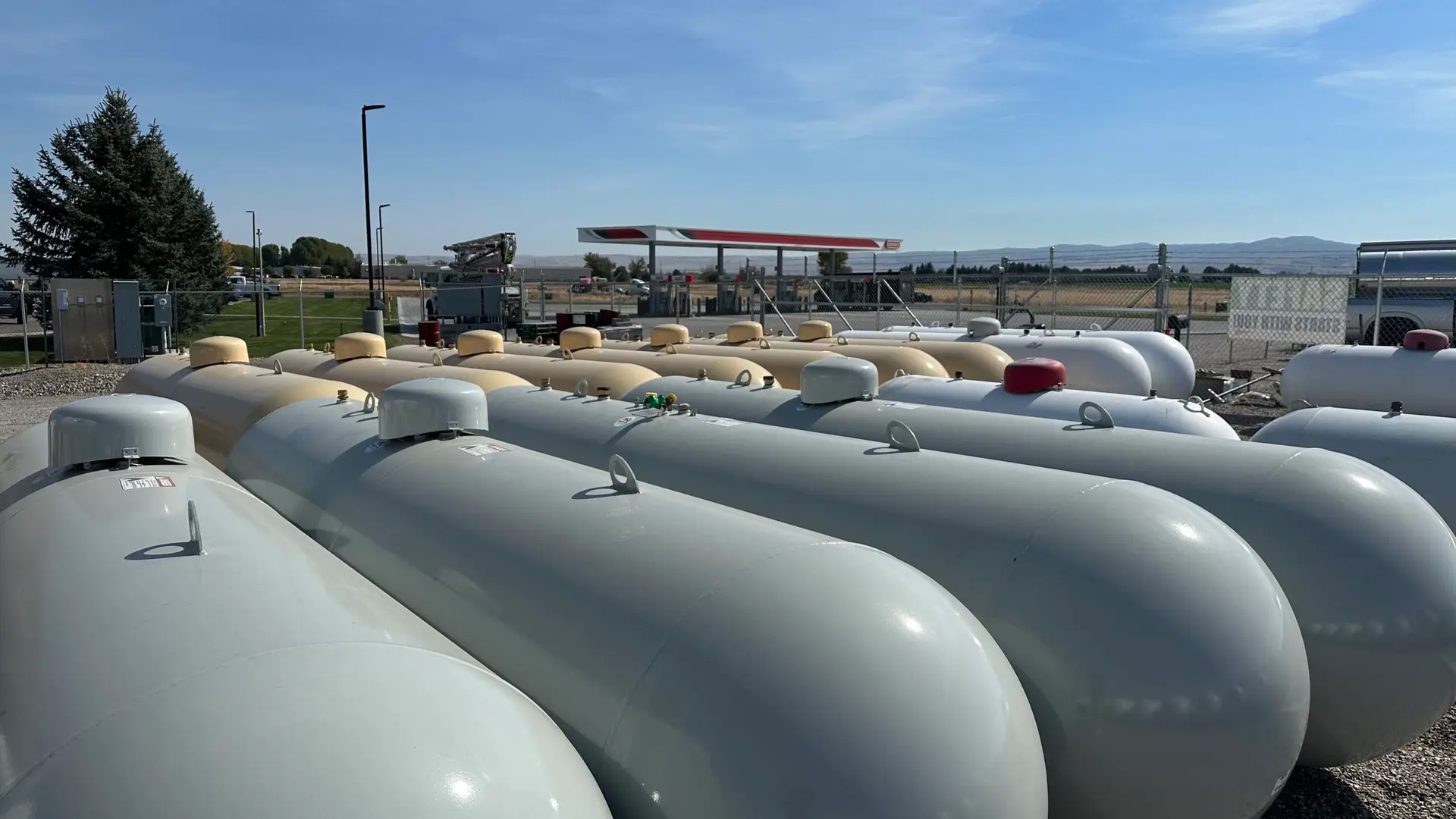
Propane storage capacity depends on home size, climate, and energy usage. Most residential off-grid systems use tanks between 250 and 1,000 gallons. A larger tank provides longer operating time between refills, which is helpful for remote properties with limited delivery access.

Weather Reliability

Propane provides consistent energy during changing weather because stored fuel is available regardless of sunlight or wind conditions. Homeowners must still monitor fuel levels and schedule deliveries before supplies become low, especially during extreme cold.

Propane solutions that keep off-grid homes powered

What Equipment Does a Propane Home Need?

Tank Size Options

Propane tanks come in different sizes based on household requirements. Smaller properties may use 250-gallon tanks, while full-time homes often choose 500-gallon or larger tanks. The ideal size depends on heating needs, generator usage, and how frequently fuel deliveries are available.

Generator Selection

Choosing the right generator requires calculating the home’s highest electricity demand. Appliances with motors, such as refrigerators and pumps, often require extra starting power. An undersized generator may struggle during peak demand, while an oversized unit may consume unnecessary fuel.

Solar Combination

Many off-grid homeowners combine propane with solar energy systems. Solar panels provide daytime electricity, while propane generators provide backup power when energy production decreases. This combination helps reduce fuel expenses while maintaining reliable electricity.

Battery Storage

Battery systems store extra electricity produced by solar panels or generators. Stored energy can power household devices without running the propane generator continuously. Modern battery technology allows homeowners to use energy more efficiently throughout the day and night.

Safety Requirements

Propane systems require proper installation, ventilation, fuel regulators, and regular inspections. Correct installation reduces risks and improves system performance. Homeowners should follow professional safety guidelines when installing propane equipment.

Maintenance Schedule

Regular maintenance keeps propane systems operating efficiently. Generators usually require oil changes, inspections, and performance checks according to manufacturer recommendations. Routine maintenance prevents unexpected failures and extends equipment lifespan.

What Does Propane Cost Off-Grid?

Installation Costs

A complete propane system can range from several thousand dollars to tens of thousands depending on equipment size and installation requirements. Costs usually include the tank, generator, fuel lines, appliances, and professional setup.

Monthly Usage

Propane consumption varies greatly between homes. A small cabin using propane only for cooking may use limited fuel, while a larger home using propane heating and electricity generation may consume hundreds of gallons during colder months. Home insulation and appliance efficiency strongly affect monthly usage.

Fuel Price Factors

Propane prices change based on location, season, supply conditions, and delivery availability. Rural properties may experience different pricing compared with areas with many local suppliers.

Reducing Consumption

Homeowners can lower propane use by improving insulation, choosing energy-efficient appliances, reducing unnecessary electricity usage, and combining propane with solar power. Lower energy demand directly reduces fuel consumption.

Refill Planning

Propane refilling schedules depend on tank size and daily usage. Many homeowners maintain tanks above 20% capacity to avoid running out during emergencies. Planning deliveries before winter helps prevent fuel shortages.

Long-Term Value

Propane can provide long-term value for homeowners who need dependable energy in remote locations. The best results usually come from balancing propane use with efficient home design and renewable energy sources.

Can Propane Alone Run an Off-Grid Lifestyle?

Propane alone can operate many off-grid homes, but the ideal setup depends on energy requirements, home size, climate, and daily usage patterns. Smaller homes, cabins, and seasonal properties may work well with propane-only systems because their energy demands are usually lower. Larger homes with multiple occupants, electric appliances, cooling systems, and higher electricity needs often benefit from combining propane with solar panels and battery storage. A hybrid system reduces propane consumption while providing backup power when renewable energy production is limited. Homeowners should calculate their average energy usage before choosing a propane-only setup. Understanding electricity demand, heating requirements, and fuel availability helps create a system that provides reliable power without unnecessary fuel expenses.

Is Propane Suitable for Every Home?

Propane is a practical option for many off-grid properties because it provides dependable energy storage and works in different climates, including areas with harsh winters. Since propane can be stored for long periods, it gives homeowners greater control over their energy supply. However, propane may not be the best choice for every property. Homeowners should evaluate fuel delivery access, operating costs, storage space, and long-term energy goals before selecting a propane-based system. Homes located near reliable propane suppliers may find fuel management easier than extremely remote properties. In isolated areas, larger storage tanks and careful usage planning may be necessary to avoid running out of fuel.

Should You Choose Propane for Your Off-Grid Home?

Propane can power an entire off-grid home when the system is designed according to the property’s energy needs. It can support electricity generation, heating, cooking, and water heating while providing independence from the traditional power grid. For many homeowners, a combination of propane, solar panels, and battery storage offers a practical balance between reliability and cost control. This approach allows solar energy to handle everyday electricity needs while propane provides backup power during emergencies or low-energy periods. Before investing in an off-grid propane system, calculate your energy requirements, select the right tank and generator size, and create a fuel management plan. A properly designed propane setup can provide dependable power, comfort, and energy independence for years of off-grid living.

BLAZING BLOGS

Can Propane Power an Entire Off-Grid Home? | LP Propane

Understanding Two-Stage Propane System Regulators

Understanding Two-Stage Propane System Regulators A propane tank stores fuel under high pressure, but most propane appliances cannot use that pressure directly. Furnaces, water heaters, fireplaces, generators, and cooking appliances require a much lower and controlled propane supply to operate

Read More »

State Fair Giveaway

$500 Worth of Propane

Be one of the first 200 New Customers to sign-up until September 15th to get $500 worth of propane, FREE! You’ll also get 1 year free tank rental when you switch!

JOIN THE IGNITE PROGRAM

NEW CUSTOMER? Fill out the New Customer Application to join IGNITE.

Save $0.05 Per Gallon with the IGNITE Program Learn more!

This field is for validation purposes and should be left unchanged.
Name(Required)
Service Address(Required)
AAP Agreement(Required)
You will be contacted by a Customer Service Representative to obtain your credit card information.
Terms of Service(Required)

LP Propane Ignite Program – Terms and Conditions

1. Eligibility and Program Requirements
To qualify for and maintain enrollment in the LP Propane Ignite Program and receive the $0.05 per gallon fuel discount, the Customer must simultaneously enroll in and maintain active status in the following three core services:

Auto Fill Delivery: The Customer authorizes LP Propane to automatically monitor, schedule, and deliver propane to the designated tank when levels dictate, bypassing the standard Will Call scheduling requirements.

Auto Pay: The Customer must maintain a valid, authorized payment method on file (Credit Card, Debit Card, or ACH/Direct Draft). Invoices will be automatically drafted within 7 days after the delivery.

Paperless Billing: The Customer agrees to receive all invoices, statements, and program communications via email. Opting out of online billing or requesting paper statements will result in a $4.95 monthly fee and disqualification from the program.

2. Fuel Discount Terms

The $0.05 per gallon discount applies exclusively to the standard market rate of propane at the exact time of delivery.

The discount is applied automatically on invoice.

This discount cannot be combined with specific commercial contract pricing or volume discounts unless expressly authorized in writing by LP Propane.

3. Tank Monitoring and Delivery Access

LP Propane may utilize physical tank monitors or advanced usage-tracking algorithms to schedule deliveries.

Access Requirements: The Customer must ensure the propane tank is always completely accessible to delivery personnel and vehicles. The pathway must be free of obstacles, locked gates, debris, or unrestrained animals within a 100-foot radius.

Seasonal Maintenance: During winter months, the Customer is legally responsible for clearing snow, ice, and paths leading to the tank. If a delivery vehicle cannot safely access the tank, the delivery will be delayed, and any emergency filling fees incurred due to subsequent low fuel levels will be billed to the Customer.

4. Credit Status and Payment Failures

If an Auto Pay transaction is declined or fails for any reason (e.g., expired card, insufficient funds), the Customer must update their account billing details immediately. If the transaction remains unprocessed for 30 days despite attempts by LP Propane to contact the Customer, the account will be automatically unenrolled from the program.

If an account balance becomes past due, LP Propane reserves the right to suspend Auto Fill privileges, pause the $0.05 per gallon discount, and transition the account to a "Will Call / Cash on Delivery" basis until the account is brought current and after review and approval of LP Propane’s credit department.

5. Program Termination or Changes

Customer Termination: Removing any of the mandatory components (Auto Fill, Auto Pay, or Paperless Billing) constitutes voluntary termination from the program. If you would like to opt out of the Ignite program you must submit 30 day written notice

Company Modifications: LP Propane reserves the right to alter, modify, or terminate the Ignite Program framework, including discount amounts or underlying eligibility terms.

MM slash DD slash YYYY