Can Propane Go Bad? What You Should Know About Long-Term Storage

Many homeowners and businesses rely on propane as a reliable source of power for heating, cooking, backup power, and commercial operations. Because propane is regularly saved for prolonged periods, from time to time, months or maybe years, questions clearly arise about its shelf life. Can propane go bad over time? Does long-term storage lessen its effectiveness or safety? Understanding how propane behaves over time enables customers to make knowledgeable decisions, avoid issues, and maintain dependable strength year-round, particularly in emergencies or seasonal use.

Can Propane Go Bad? What You Should Know About Long-Term Storage | LP Propane

Understanding the Shelf Life of Propane

Propane Is a Stable Hydrocarbon

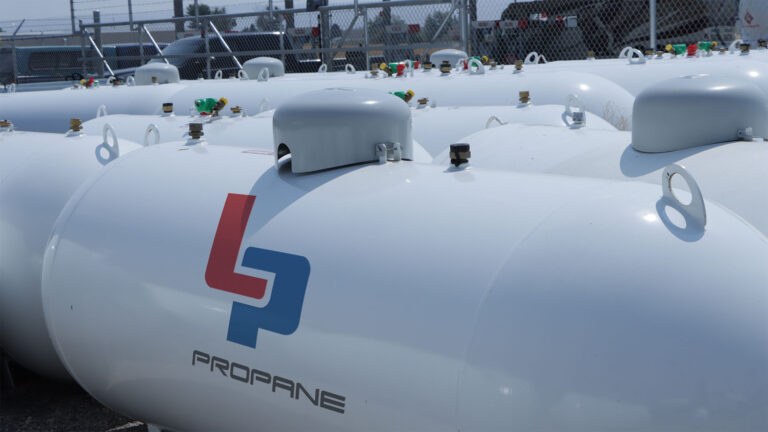
Propane is an easy hydrocarbon with a strong molecular structure. Unlike gas or diesel, it doesn’t oxidize, break down, or lose effectiveness over time. This guarantees steady overall performance, no matter how long it sits in a tank.

No Expiration Date

There isn’t any expiration date for propane gasoline. A tank filled today will still have usable propane years later, so long as the tank and valves remain in good condition.

Stored as a Gas Under Pressure

Propane is stored as a liquid in sealed tanks. These enclosed surroundings prevent exposure to oxygen, moisture, and contaminants that normally degrade other fuels.

Resistant to Temperature Fluctuations

Extreme heat or cold weather also do not alters propane’s chemical makeup. While volume within the tank can increase or decrease with temperature changes, the fuel itself remains unchanged and effective.

No Additives Required

Unlike diesel and gasoline, propane doesn’t require stabilizers or chemical additives to maintain quality. This reduces maintenance costs and eliminates issues with gasoline treatment schedules.

Ideal for Seasonal and Emergency Use

Because propane doesn’t degrade, it’s normally used for seasonal heating, standby generators, and RVs, whereas gasoline can also sit unused for long periods during emergency preparedness.  

When other fuels fail over time, propane stays reliable!

What Can Go Wrong During Long-Term Propane Storage

Tank Corrosion Over Time

Older tanks might develop rust or corrosion, especially if exposed to moisture or placed directly on soil. Corrosion weakens the tank’s shape; however, it doesn’t affect the propane inside.

Valve and Regulator Wear

Long periods of inactivity can cause valves or regulators to stiffen, leak, or malfunction. Regular inspections help you avoid troubles.

Contaminants Entering the System

Improperly sealed tanks, broken fittings, or aging valves might permit dust or moisture into the tank, which can interfere with equipment performance.

Odorant Fading

Propane is clear and odorless, so a sulfur-based odorant is added for protection. Over many years, particularly in unused tanks, this odorant might fade slightly, although the fuel remains fully functional.

Pressure Issues After Long Storage

Seasonal temperature changes can affect pressure readings, occasionally making tanks appear low or over-pressurized even when gasoline levels are normal.

Improper Tank Placement

Tanks located in flood-prone areas, volatile ground, or high-risk zones might also face protection risks unrelated to propane but essential to long-term storage protection.

Best Practices for Long-Term Propane Storage

Use Approved, Code-Compliant Tanks

Always keep propane in licensed tanks that meet national and local safety codes. Proper tank layout is key to long-term protection against issues.

Keep Tanks Outdoors and Upright

Propane tanks ought to always be kept outdoors, upright, and securely located to ensure proper pressure regulation and ventilation.

Protect Tanks From Moisture

Elevating tanks slightly and ensuring excellent drainage to prevent rust and corrosion, especially in moist or snowy environments.

Inspect Valves and Connections Periodically

Even unused equipment benefit from occasional inspections to verify that seals remain tight and that fittings do not deteriorate.

Schedule Professional System Checks

Annual inspections by propane specialists help detect early signs of wear, corrosion, or stress issues before they escalate.

Maintain Clear Access to Tanks

Clear vegetation, debris, and snow buildup to permit clean access for inspections, refills, and emergency shutoffs.      

Propane vs. Other Fuels in Long-Term Storage

Many fuels degrade over time, leading to decreased performance and protection issues. Gasoline oxidizes and becomes unusable; diesel can increase microbial growth; and ethanol blends soak up moisture. Propane avoids those troubles entirely. Its long-term stability eliminates the need for gas rotation, disposal, or chemical treatment, making it an advanced choice for backup and long-term power storage. Although propane itself remains stable, protection relies on the proper equipment maintenance. Tanks should remain structurally sound, valves operational, and regulators properly calibrated. Pressure relief devices and shutoff structures should be inspected periodically. These precautions ensure that long-term storage stays secure and dependable for owners and organizations alike.

Why Propane Is Ideal for Emergency Preparedness

Long-term storage reliability makes propane a cornerstone of emergency power planning. Homes and organizations can store propane indefinitely for generators, heating systems, and cooking without worry about spoilage. When storms, outages, or delivery disruptions occur, stored propane provides immediate, reliable power, eliminating last-minute gas shortages or panic buying. Its chemical balance keeps it usable for years, making it one of the most dependable fuels available for long-term use. While tanks and machine additives require periodic inspection, the fuel itself remains unchanged and ready for use. For owners, organizations, and industries seeking reliable power with minimal renovation requirements, propane offers peace of mind, flexibility, and unrivaled storage longevity, proving that reliability definitely stands the test of time.

BLAZING BLOGS

Can Propane Go Bad? What You Should Know About Long-Term Storage | LP Propane

JOIN THE IGNITE PROGRAM

NEW CUSTOMER? Fill out the New Customer Application to join IGNITE.

Save $0.05 Per Gallon with the IGNITE Program Learn more!

This field is for validation purposes and should be left unchanged.
Name(Required)
Service Address(Required)
AAP Agreement(Required)
You will be contacted by a Customer Service Representative to obtain your credit card information.
MM slash DD slash YYYY

State Fair Giveaway

$500 Worth of Propane

Be one of the first 200 New Customers to sign-up until September 15th to get $500 worth of propane, FREE! You’ll also get 1 year free tank rental when you switch!