Can Propane Freeze in America’s Coldest Winters?

America’s fuel of choice, propane illuminates millions of homes, farms, and businesses. Low-cost, convenient, and cleaner-burning than other fossil fuels, propane is among the most popular sources of energy for heating, cooking, and powering outdoor equipment. But even in America’s coldest winters, such as those experienced in Alaska, Minnesota, and North Dakota, even homeowners wonder: Can propane really freeze? Knowing what happens to propane in freezing temperatures will keep you safe from expensive issues, unwelcome outages, and potential harm. This article discusses propane’s freezing point, what conditions will affect its performance at subzero temperatures, and tricks on how to make your tank work even during harsh winters.

Can Propane Freeze in America’s Coldest Winters? | LP Propane

Understanding Propane During Freezing Temperatures

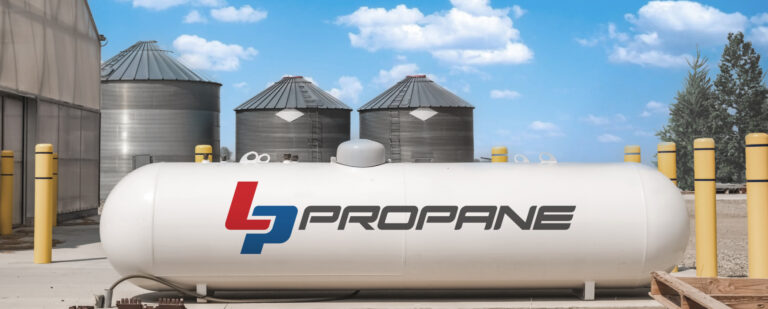
Propane is an LPG, which is kept in liquid state under pressure. Propane, unlike water, doesn’t readily freeze, but very low temperatures still restrict its functioning. To find out whether propane freezes or not, we have to break the science and real-world conditions.

Freezing Point of Propane Explained

Propane is -306°F (-188°C) at which time it will freeze. That is, at any naturally occurring temperature in the United States of America, propane will not freeze into ice. Even in the cold of Alaska winters, it comes nowhere near that temperature. So, by definition, propane simply does not freeze in America’s weather.

Propane's Boiling Point Roles

Despite the fact that propane does not freeze, it does have a boiling point of -44°F (-42°C). Below or at this temperature, propane will have difficulty vaporizing, something that is necessary to power appliances. Without vaporizing, your furnace or your stove just won’t light up, full tank or not. So the real problem is vapor lock, not freezing.

Tank Pressure and Cold Temperatures

At low temperatures, propane pressure drops within the tank. Under portable, small-sized cylinders, this results in underperforming regulators and low flame rates. In household tanks, low pressure can shut down furnaces. Tank pressures and levels need to be monitored during winter to prevent unexpected outages.

Winter Misconceptions

Most homeowners wrongly assume propane freezes when equipment ceases to function. The reality is, the fuel has not technically frozen, the vapor pressure is just too low because of low temperatures or tank levels. Having the ability to separate freezing and vaporization difficulties will help determine the issue.

Regional Risks Across America

Northern states such as Montana, Minnesota, and Maine are likely to suffer from vaporization problems since temperatures can drop below -20°F. Propane performance is less likely to encounter problems in southern states, but freezing of regulators and lines can result from poor storage through condensation.

Why Full Tanks Perform Better

A full tank of propane holds pressure in cold temperatures better than an almost full tank. More liquid volume produces more vapor surface area, which ensures appliance performance remains stable even on chilly nights.

Propane may face the cold, but it never truly freezes!

Propane's Greatest Challenges During Cold Winters

Propane never freezes, but its operation in America’s frigid winters can suffer. Several issues bring about lower efficiency, and by learning about these issues, homeowners can better be prepared.

Low Vapor Pressure Shutdowns

During extremely cold nights when the tank pressure declines below usable levels, equipment automatically shuts down. This occurs during very cold nights when heat is lost just when it is needed most by homeowners.

Regulator Failure

Freezing of water in propane regulators restricts gas flow. It occurs normally where freeze-thaw cycles occur quickly and continuously. Propane cannot get through to appliances even when the tank is full without physical regulators.

Risks of Fuel Line Freezing

Condensate in propane lines will freeze during below-zero temperatures, restricting or totally preventing fuel flow. Insulation and warming of lines is the key to year-round operation during winter.

Cold Snaps and High Demand

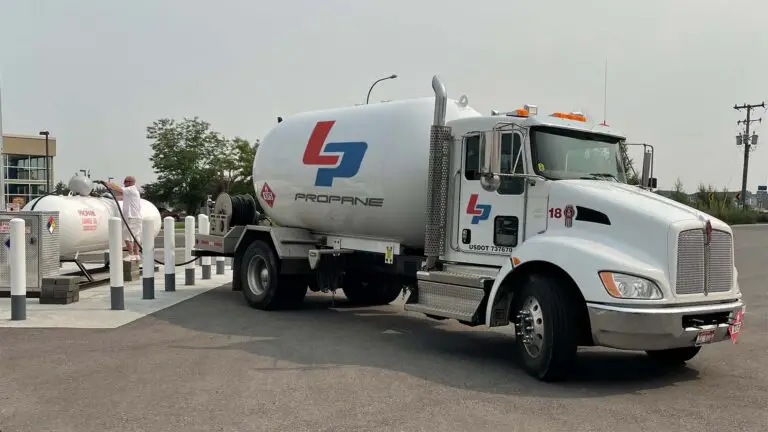
Propane demand peaks in winter months, causing delays and shortages in deliveries. Homeowners with only just-in-time refills shall have challenges keeping tank fullness, contributing to cold-weather hazards.

Effect on Portable Cylinders

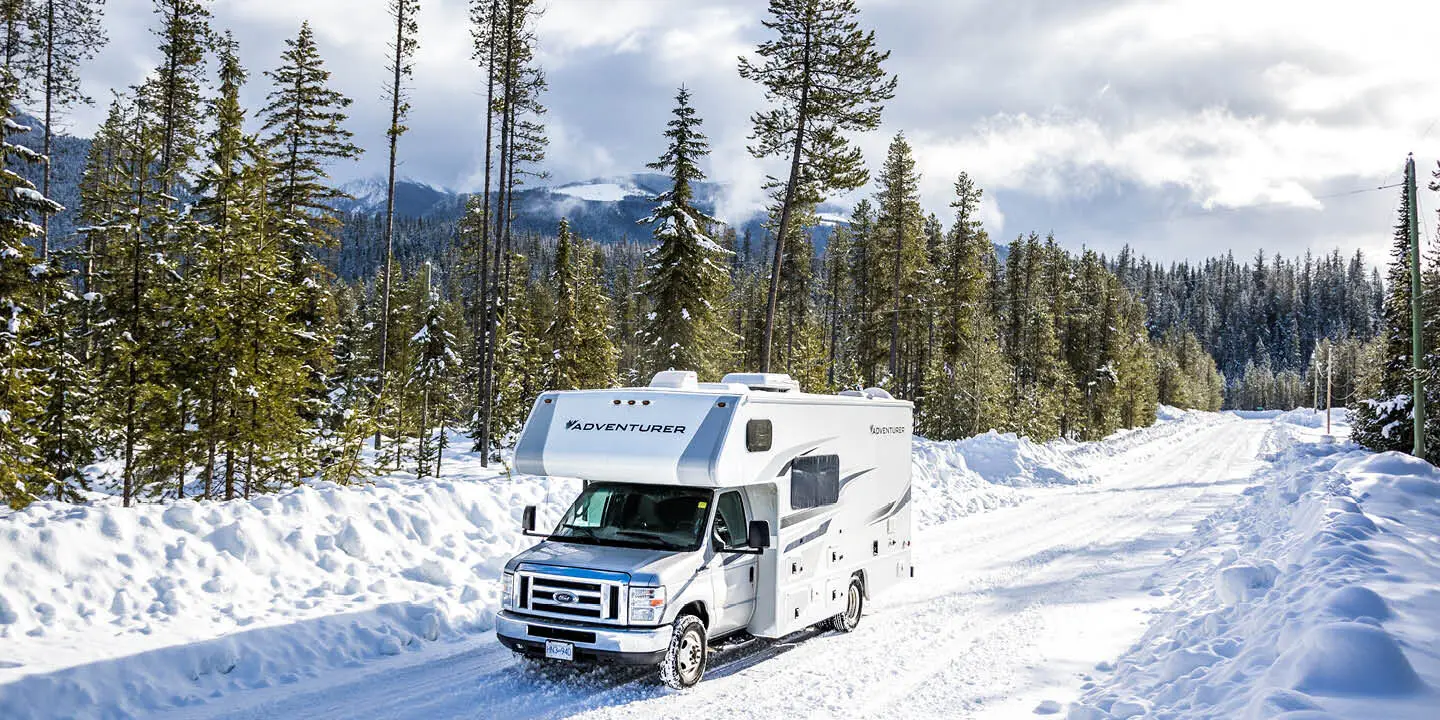
Small grill and RV cylinders are also more susceptible to cold weather performance problems as they contain less fuel capacity and leak pressure quicker. Insulating them from extreme cold helps keep performance up.

Safety Risks in Extreme Cold

When appliances do fail, homeowners may be inclined to rely on unsafe backup measures such as indoor open flames or kerosene heaters. An awareness of how propane works in subzero temperatures discourages the use of unsafe backup heat.

Avoiding Propane Cold-Weather Problems

Have Pre-Winter Fill-Ups

Keeping tanks a minimum of 30–50% full prior to winter storms provides even vapor pressure. Automatic re-filling service can keep you in front of the load of the most severe winter months.

Insulate Regulators and Valves

Weather hoods and regulators covering them prevent freezing problems due to condensation. Routine checks before winter detect any leaks or moisture problems.

Clear Tanks of Snow and Ice

Snow congregates in regulators and valves. Ventilation and safe technician entry are facilitated by clearing around your propane tank.

Utilize Tank Heaters and Blankets

In extreme cold weather conditions, electric tank heaters or insulating propane blankets maintain tanks at constant operating temperatures. They are particularly beneficial on above-ground tanks.

Ensure Proper Ventilation

Even in winter, tanks and regulators must be ventilated to prevent pressure buildup or oxygen shortage. Never tar or plastic tarp tanks, as they hold moisture and cause freezing issues.

Use Certified Propane Professionals

Regular upkeep by certified technicians keeps your system ready for winter. From regulator inspections to line insulation, professional monitoring prevents expensive outages.

Why Propane Still Works Best in Winter

In spite of its cold-weather issues, propane is a consistent energy source when well managed. Propane heat stays on during electricity outages, a feature that electric heat lacks, and therefore is a lifesaver in storm-swept regions. Propane’s efficiency translates into reduced heating bills as well. Proper preparation allows propane to bring warmth and reliability even during the worst winters.

Propane vs. Other Fuels in Cold Climates

Compared to electricity, heating oil, or natural gas, propane has some special advantages. Natural gas lines can freeze or simply aren’t installed in the countryside. Heating oil must be monitored round the clock and gel in extreme cold temperatures. Electricity’s cost skyrockets during the blizzards, and the lost power leaves residents shivering. Propane has an unbeatable bundle of price, dependability, and availability.

Propane Won't Freeze, But You Have to Prepare

So, will propane freeze in America’s coldest winters? The short answer is no, its freeze point is way, way below any U.S. natural temperature. Yet even propane’s greater performance can be ruined by low vapor pressure, freezing regulators, or vacuum tanks in subzero temperatures. By understanding the science of propane and winterization best practices, homeowners can have their propane system perform reliably even in the worst cold snaps.

BLAZING BLOGS

Can Propane Freeze in America’s Coldest Winters? | LP Propane

How Propane Forklifts Improve Warehouse Air Quality

How Propane Forklifts Improve Warehouse Air Quality Air quality in the warehouse is one area with direct implications for worker health, productivity, or issues related to compliance. Poor air circulation, fuel exhaust, or particulate buildup could easily render worker areas

Read More »

JOIN THE IGNITE PROGRAM

NEW CUSTOMER? Fill out the New Customer Application to join IGNITE.

Haven’t heard of our IGNITE Program? Learn more!
This field is for validation purposes and should be left unchanged.
Name(Required)
Service Address(Required)
AAP Agreement(Required)
You will be contacted by a Customer Service Representative to obtain your credit card information.
MM slash DD slash YYYY

State Fair Giveaway

$500 Worth of Propane

Be one of the first 200 New Customers to sign-up until September 15th to get $500 worth of propane, FREE! You’ll also get 1 year free tank rental when you switch!