
Can You Install a Fence Around a Propane Tank?
Can You Install a Fence Around a Propane Tank? A propane tank can interrupt the look of a landscaped yard, especially when it sits near a patio or driveway. A fence may seem like an easy way to hide it,
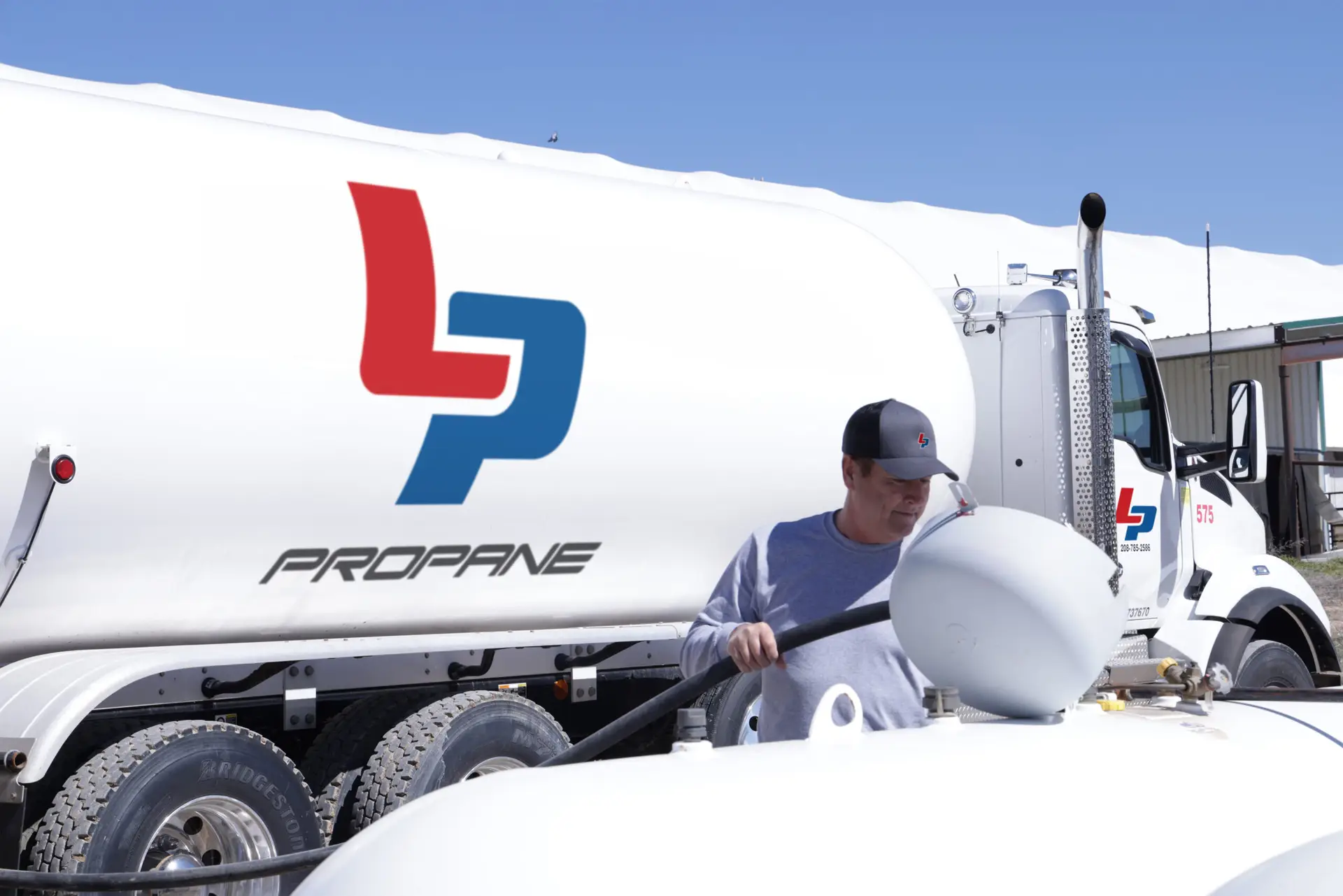
Fixed-price propane contracts can be worth it in 2026 if you want stable heating costs and protection against sudden fuel price increases. However, locking in a propane rate does not always guarantee savings. If market prices fall during your contract, you could end up paying more than customers using variable pricing. Propane prices change throughout the year because of seasonal demand, weather conditions, fuel supply, and transportation costs. These changes make budgeting difficult for households and businesses that depend on propane for heating, cooking, and hot water. A fixed-price contract allows you to secure an agreed price per gallon for a specific period or fuel quantity. Whether this is a smart choice depends on your propane consumption, local prices, contract conditions, and how much financial certainty you need.
A fixed-price contract establishes a price per gallon before the agreed delivery period begins. For example, if your contract sets propane at $2.50 per gallon, that rate applies to covered fuel purchases even when market prices change.
Most residential propane contracts cover a specific heating season, typically from fall through early spring. Some agreements offer different durations, so customers should confirm the starting date, expiration date, and renewal terms before signing.
Some propane contracts require customers to commit to a certain number of gallons. If you agree to purchase 800 gallons but consume 1,000, the additional 200 gallons may be charged at the current market price.
Prepaid propane contracts require customers to purchase fuel in advance at an agreed rate. For example, buying 700 gallons at $2.40 per gallon costs $1,680 upfront, excluding taxes and additional service charges.
Some fixed-price agreements include automatic propane delivery based on estimated usage and weather conditions. This arrangement can reduce the chance of running out of propane, particularly during periods of increased winter heating demand.
Certain agreements include enrollment fees, minimum purchase requirements, tank rental charges, or cancellation penalties. These expenses can increase your total propane costs, so reviewing the complete pricing structure is important before choosing a plan.
A fixed propane rate makes seasonal heating expenses easier to calculate. If you expect to use 900 gallons at $2.60 per gallon, your estimated fuel expense is $2,340 before additional charges.
Propane prices can rise during severe winter weather or unexpected supply shortages. Customers with fixed-price contracts generally avoid these increases on covered gallons, helping them maintain more predictable heating expenses.
Households that rely on propane for heating and hot water can estimate their seasonal fuel expenses more accurately. This allows them to set aside money in advance instead of adjusting their budget whenever propane prices change.
Variable propane prices can change between deliveries, making future expenses difficult to predict. A fixed-price agreement removes this uncertainty for the contracted fuel quantity, allowing customers to focus less on market fluctuations.
Cold weather increases propane consumption in many homes, especially those using propane furnaces as their primary heating source. Locking in a rate before heavy winter usage can protect customers from unexpected increases in fuel prices.
Restaurants, warehouses, farms, and commercial buildings often consume large amounts of propane throughout the year. Fixed pricing helps these businesses estimate operating expenses and avoid sudden fuel cost increases that could affect their budgets.
If propane market prices decrease after you sign a contract, you may pay more than customers purchasing fuel at variable rates. A locked rate of $2.80 per gallon costs $240 more over 800 gallons than an average market rate of $2.50.
Some propane contracts charge fees when customers cancel before the agreement expires. Moving to another property, changing suppliers, or reducing propane usage may create unexpected expenses if the contract has strict cancellation rules.
Customers who purchase propane in advance may not use their entire contracted quantity. Depending on the agreement, unused gallons may become account credits, carry over into another season, or qualify for a refund under specific conditions.
A fixed price per gallon may not include every service expense. Delivery fees, minimum delivery charges, tank rental costs, and other applicable charges can increase the final amount customers pay for propane.
An unusually cold winter can increase propane demand beyond the contracted quantity. If your agreement covers 800 gallons but you need 1,100, the extra 300 gallons may be billed at a higher market rate.
Some fixed-price agreements require customers to purchase propane from the same supplier throughout the contract. This can make switching providers difficult, even if another supplier offers lower prices during the heating season.
Fixed-price propane contracts can be a good deal in 2026, but their value depends on the locked rate compared with actual market prices during the contract period. Seasonal demand, winter temperatures, inventory levels, and regional supply conditions can all influence propane prices. No contract can guarantee that its fixed rate will be the lowest available. Consider a homeowner who expects to use 1,000 gallons of propane. A fixed rate of $2.60 per gallon would cost $2,600 before fees. If the average variable price increases to $2.90, the customer saves $300. However, if the variable price averages $2.40, the fixed contract costs $200 more. These are illustrative prices, not current market quotes. For 2026, compare actual local contract offers with current delivered propane prices and your previous heating expenses. A fixed-price agreement may be more attractive if you value predictable costs, while variable pricing may suit customers who can manage changing fuel expenses.
Choosing the right propane pricing plan starts with understanding how much fuel you use and how different contracts affect your total expenses. Review your previous 12 months of propane deliveries to estimate annual consumption. If you normally use 800 gallons, purchasing 1,200 gallons in advance may tie up money unnecessarily. Compare fixed-price, variable-price, and price-cap plans. Fixed pricing holds the agreed rate, while variable pricing follows market changes. A price-cap plan generally sets a maximum rate but may allow customers to benefit from lower market prices. Some capped plans charge additional fees for this protection. Before signing, ask about contract length, delivery charges, tank rental, unused gallons, cancellation fees, and automatic renewal. Calculate the total estimated cost rather than comparing only the advertised price per gallon. Also consider your local winter weather, fuel storage capacity, and monthly budget when selecting a plan.
Fixed-price propane contracts can be worth considering in 2026 if your main goal is predictable heating expenses. They protect covered fuel purchases from sudden market price increases and make seasonal budgeting easier for homeowners and businesses. However, they may cost more when propane prices fall or when additional contract fees reduce potential savings. The right choice depends on your expected propane consumption, local fuel prices, and financial priorities. Customers who prefer stable costs may benefit from a fixed-price agreement, while those willing to accept market fluctuations may find variable pricing more suitable. Before committing, compare propane pricing plans, review contract conditions, and calculate your expected seasonal fuel costs. A well-chosen agreement can help you control heating expenses and avoid unnecessary surprises throughout the 2026–2027 winter season.

Can You Install a Fence Around a Propane Tank? A propane tank can interrupt the look of a landscaped yard, especially when it sits near a patio or driveway. A fence may seem like an easy way to hide it,
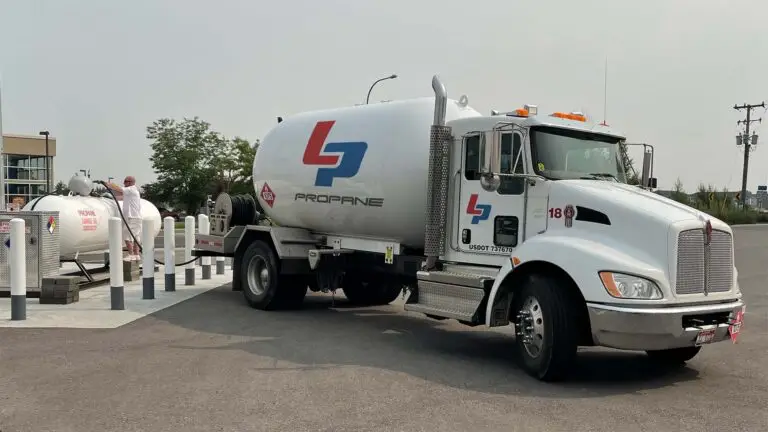
What Should You Know Before Landscaping Around an Underground Propane Tank? An underground propane tank keeps most equipment out of sight, but the ground above it still needs careful planning. A new flower bed, retaining wall, or irrigation trench can

Be one of the first 200 New Customers to sign-up until September 15th to get $500 worth of propane, FREE! You’ll also get 1 year free tank rental when you switch!
NEW CUSTOMER? Fill out the New Customer Application to join IGNITE.
Save $0.05 Per Gallon with the IGNITE Program Learn more!