
Can You Install a Fence Around a Propane Tank?
Can You Install a Fence Around a Propane Tank? A propane tank can interrupt the look of a landscaped yard, especially when it sits near a patio or driveway. A fence may seem like an easy way to hide it,

Propane is also among the most reliable sources of energy to households in the nation particularly in rural and suburban regions where the natural gas supply channel might not exist. Most of the owners of homes appreciate the comfort that propane gives in terms of heating, cooking, hot water and alternative power but only a few are aware of the path that propane undertakes until it finds its way into their tanks. Production and transportation to storage and the final delivery of the product are all under a strictly controlled process of propane intended to be safe, reliable, and efficient. Knowing how propane gets to your house will create confidence in your energy supply, and also helps realize what systems are in place to keep your home running smoothly all year round.
During the processing of natural gas and crude oil, a product known as propane is obtained as a by-product. Propane is extracted together with other natural gas liquids when raw natural gas is extracted. This renders propane one of the readily available and constant sources of energy.
Propane is then extracted, and refined to high standard quality. To achieve clean combustion, safe storage, and dependable performance of appliances, impurities are eliminated in homes and businesses.
Propane is stored as a by-product of the process in large underground caverns, pressurized tanks and in regional storage facilities. These stations are useful in keeping the supply constant even at high demand times of the year like winter heating season.
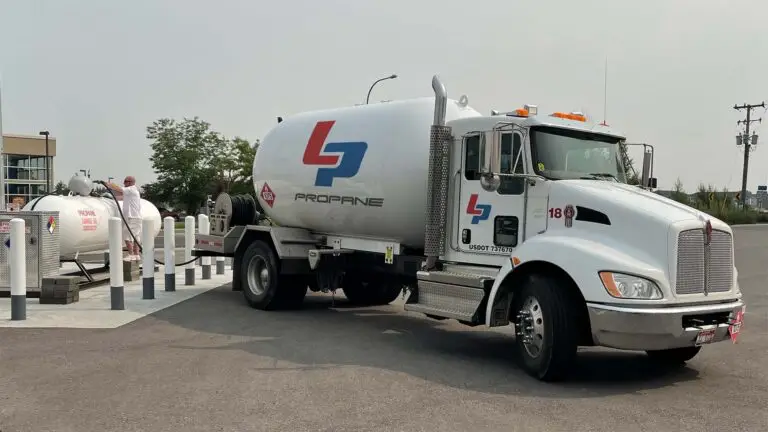
The propane is transported to local plants via pipelines, rail cars, and tanker trucks. This is a multi-layered transport system that guarantees flexibility and minimizes the threats of supply disruptions.
Inventory is accumulated by the suppliers when the demand is low, which is in warm seasons. Such advance planning can be used to maintain stock levels of propane in the Winter when the demand of heating is great.
The propane industry is dependent on coordination among producers, transporters, storage planting and local providers. This network also enables propane to pass smoothly through the source to the end user.
In turn, local propane suppliers have bulk storage tanks where propane is supplied by regional supply centers. These tanks enable the suppliers to deliver to the customers in a fast and efficient manner.
The suppliers monitor the patterns of customer use to predict any need of delivery. There is colder weather, appliance installations, seasonal activities, etc. which contribute to demand forecasting.
Suppliers can hold storage systems and checks on safety measures before distribution of propane to the customers. These are pressure controls, leak detectors and regulation compliance.
The delivery trucks are constantly checked and serviced to provide safe transportation. The drivers are given special training on how to deal with propane in every situation.
Local providers are able to change the delivery schedules using weather predictions. It is important to predict the weather (when it is stormy or cold) so as to avoid any delays and so that tanks are filled before more people start using the facility.
Since locals know the conditions of the region and customer demands, they can react fast to the changes in demand or access difficulties, particularly in winter.
The installation of propane tanks is based on safety codes, which maintain a reasonable distance of the tanks to buildings, and free space to allow delivery trucks to arrive at the tanks. This is a good location that helps in year-round service.
Automatic delivery is the option of many homeowners who control the usage monitoring and refill their devices automatically. The will-call customers are referred to as those who request to have the deliveries of the products in a manual manner, which implies that more attention should be paid to tank levels.
The drivers have strict requirements during delivery to avoid overfilling. They are filled so far as the tanks can be safely filled to allow pressure changes with temperature.
The drivers physically examine the tanks, valves and regulators on every visit. In case of safety issues, they might suggest maintenance and proceed with it.
The usage is recorded during every delivery to monitor the demand. This information is useful in making sure that customers do not run out of stock.
Delivery systems are programmed to be continuous even in snowy seasons, during hot seasons, and even when the demand is very high, as long as tanks and access paths are clear.
The storage of propane on-site is among the major reasons why propane is such a reliable source of energy. Propane is not like electricity or natural gas where it is kept offsite, it is one that is stored in your property and the homeowner has more direct control of the supply of power. This storage enables households to be on even when the grid is off, or there is a storm or even disruptions in the grid. Properly kept tanks are able to store propane over a long period without degradation hence providing fuel whenever required.
Technology has revolutionized the distribution of propane to homes. Smart tank monitoring systems monitor the fuel levels in real time and have direct communication with the suppliers. This provides the possibility of proactive scheduling of deliveries, the reduction of emergency refills, and enhanced safety. GPS navigating, weather forecasting and usage statistics will help to make the delivery process smoother and more efficient, which will benefit both the providers and the homeowners.
The local propane suppliers are also extremely important in providing reliable service. They are more familiar with the weather conditions, roads conditions and needs of customers, thus responding faster and providing customers with personalized support. Local suppliers, contrasting with the remote utility companies, will be able to quickly adapt to changes when the circumstances alter as well, making sure your propane is safe and on schedule to you.The process through which propane is manufactured to reach your home is well coordinated. Since it starts with extraction and processing to store and distribute regionally and finally make delivery, each stage is developed with safety, reliability and efficiency. The fact that propane gets into your home underscores the reason why it is one of the most reliable sources of energy ever. On-site storage, proactive delivery systems, and reliable plans of local providers bring propane comfort, confidence, and uninterrupted energy, regardless of the seasons or the situation.

Can You Install a Fence Around a Propane Tank? A propane tank can interrupt the look of a landscaped yard, especially when it sits near a patio or driveway. A fence may seem like an easy way to hide it,
What Should You Know Before Landscaping Around an Underground Propane Tank? An underground propane tank keeps most equipment out of sight, but the ground above it still needs careful planning. A new flower bed, retaining wall, or irrigation trench can

Be one of the first 200 New Customers to sign-up until September 15th to get $500 worth of propane, FREE! You’ll also get 1 year free tank rental when you switch!
NEW CUSTOMER? Fill out the New Customer Application to join IGNITE.
Save $0.05 Per Gallon with the IGNITE Program Learn more!