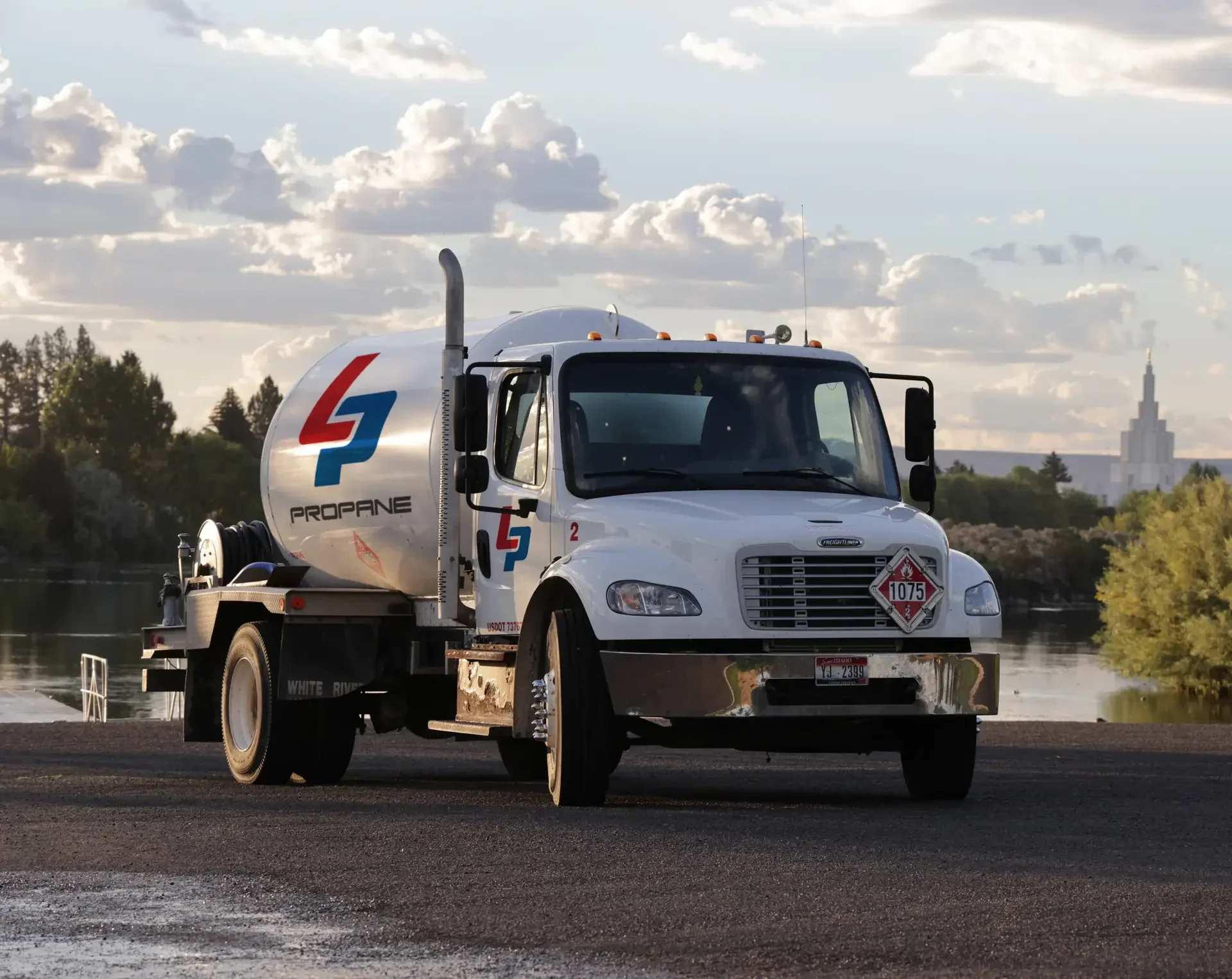
Why the demand for propane is rising in 2025:

Propane has been receiving renewed interest by 2025 as a possible, low-carbon alternative for industrial feedstocks, heating, transportation, and transport backup power. Many concurrent factors, such as weather fluctuations, shifting trade flows around the world, demand for petrochemical feedstocks, rural energy economics, and emerging fossil-free fuels like renewable propane, have combined to increase shipping and consumption this year. For businesses and homeowners that use bottled fuels, its appeal lies in its. Thecticality. The existing distribution infrastructure, with on-site storage facilities and a high high energy density, makes Propane a Good Choice for areas where pipeline gas or electrification is costly or slow to install. In the meantime, International buyers, particularly in Asia and the Middle East, continue to import U.S. supplies to feed Petrochemical and heating plants during the season, driving export volumes to the highest levels. Recently, we saw the most extreme winter demand in North America and record export flows, which highlight how sensitive the market can be to both short-term environmental conditions and long-term trends in the industrial sector. The dynamics that overlap are not universally distributed; however, they’re powerful enough that analysts and industry experts anticipate the propane market to increase significantly by 2025.)

Why the demand for propane is rising in 2025 | LP Propane

Drivers behind the rising Propane demand

The shift in heating patterns

The colder-than-average winters and winter cold snaps that last into the end of the season push families and businesses of all sizes to top off their propane tanks and use it to heat their homes, causing huge monthly consumption spikes. The high demand for propane in the U.S. in January is an example of how weather plays a significant role.

Growth in the feedstocks of Petrochemicals

Propane is the primary fuel for steam crackers and propylene production. As the capacity of new petrochemical plants across Asia and the Middle East ramps up, demand for propane and LPG as feedstocks increases, creating structural demand that goes beyond temperature fluctuations.

Improved logistics infrastructure and export infrastructure

U.S. export terminal expansions and investments in logistics have enabled more secure, more efficient shipping to other countries. Increased export capacity transforms regional surpluses into demand-driven opportunities worldwide.

Resilience and energy decentralisation

Facilities and companies benefit from on-site propane availability for microgrids, backup generators, and mission-critical heating, especially when grids have been damaged or are unreliable. Propane’s compatibility with existing devices reduces deployment time compared to electrification.

Off-grid and rural economics

In many suburban or rural areas, propane is much cheaper and more convenient to use than mains electricity or natural gas pipelines, especially for water heating, crop drying, and off-grid heating. The off-grid advantage  is sustaining demand, even when cities electrify.

Emerging low-carbon propane alternatives

Renewable propane (bio-LPG) and efforts to lower the carbon intensity of LPG supply add an environmental argument for propane use in sectors where electrification is hard, fostering new demand from sustainability-minded buyers.

Propane markets react quickly to weather, exports, and shifts in feedstock demand.

The dynamics of regional trade and the flow of goods that influence the market

North America: production up and exports are strong

U.S. propane production from natural gas liquids has increased in recent years; coupled with the expansion of export terminals, America exported record volumes through 2024-2025, connecting our domestic propane supply with global markets.

Asia's Demand for petrochemicals, heating products, and other

Asian buyers import substantial LPG for petrochemical feedstock and to use the weather in colder regions during the warmer seasons. The market’s tightness or favorable pricing could quickly alter the flow of cargoes into Asia.

Europe & geopolitics

Sanctions and geopolitics are currently reshaping European demands.. Some trade flows are shifting to the regional level, creating new customers for alternative suppliers and redefining price benchmarks.

Middle East: feedstock and bunker utilization

It is believed that the Middle East remains both a producer and a consumer. Growing refining capacity and petrochemical production maintain the region’s propane market steady, even as producers adjust their official prices.

Rural energy transitions: developing markets changes

In some regions of Africa and South Asia, household adoption of LPG for heating and cooking increases as governments and distributors push greener fuels. This is driving long-term demand growth.

The storage cycle and seasonal imbalances

Storage filling up and drawdown during seasonal periods produce predictable, but often enhanced, flow and price dynamics; companies build inventory in the shoulder months and then draw it down during winter. This can affect tankers’ schedules and the tightness of local supplies.

Responses to the market and industrial actions

Investments in logistics and terminals

The companies invest in export terminals, rail capacity, and storage to ensure they can keep up with increasing international shipping and meet the higher-margin demand for exports.

Price signals and OSP adjustment

Major producers regularly adjust their official selling prices and benchmarks to rebalance trade flows and influence buyer behavior in sensitive markets.

Mixing and product flexibility

Refiners and LPG traders use logistics and blending strategies to deliver propane as butane or mixed LPGs when customers have different requirements, thereby allowing greater commercial flexibility.

Security, storage, and preparedness

Retail propane providers are focusing more on the tank safety, leak detection, and delivery scheduling to maintain consumer trust amid a surge in demand. This level of operational efficiency helps to smooth the seasonal fluctuations.

Renewable propane scale-up efforts

Producers and technology firms are ramping up pilot projects for renewable propane to offer lower-carbon alternatives to conventional LPG. This move could open new procurement channels for sustainability-focused buyers.

Strategies for trading and hedges

Large and large-scale consumers, as well as traders, utilize options, futures, and long-term contracts to mitigate their exposure to seasonal volatility and price fluctuations driven by exports. Market participants closely monitor inventory information and shipping times.

Policies, sustainability, and other concerns

Policymakers face the challenge of balancing the encouragement of cleaner household fuels and low-carbon alternatives while ensuring energy security and affordability. Offering incentives or purchasing targets for low-carbon energy sources (including Renewable propane) may accelerate their adoption in sectors that are difficult to electrify however, time frames for policies and projected economics will dictate the actual speed of the change. Sanctions, trade policies,, and environmental standards could change the regional supply chain and the buyers.

Future predictions for 2026 and beyond

Beyond 2025, the basic structural indicators suggest moderate yet consistent growth in global demand for propane driven by petrochemical feedstocks, rural LPG use in emerging markets, and niche resilience applications. Exports are expected to be an important driver of U.S. output, while the switch to technology and renewable propane slowly gains momentum. The price volatility is likely to continue, but better logistics and terminal capacity can reduce the number of extreme extreme supply shortages. The industry should be prepared that the impact of short-term weather fluctuations is significant and where contracts with a multi-year te, storage terms,well as in strategies, and in low-carbon LPG options, will determine the winners and the losers.


Propane demand will increase due to a range of factors, including seasonal weather, increased feedstock requirements for petrochemicals, stronger infrastructure for exports, and the emerging low-carbon alternative. Global trade flows and geopolitics change how supply sources are planned and how price dynamics unfold. Exporters who invest in terminals and logistical infrastructure are the biggest beneficiaries of rising demand overseas. As production increases, inventory levels help reduce price increases,,, the market is susceptible to freezing temperatures and rapid growth in exports. This means the ability to prepare for operational emergencies and hedge is vital for those who trade.

BLAZING BLOGS

Add Your Heading Text Here

JOIN THE IGNITE PROGRAM

NEW CUSTOMER? Fill out the New Customer Application to join IGNITE.

Save $0.05 Per Gallon with the IGNITE Program Learn more!

This field is for validation purposes and should be left unchanged.
Name(Required)
Service Address(Required)
AAP Agreement(Required)
You will be contacted by a Customer Service Representative to obtain your credit card information.
MM slash DD slash YYYY

State Fair Giveaway

$500 Worth of Propane

Be one of the first 200 New Customers to sign-up until September 15th to get $500 worth of propane, FREE! You’ll also get 1 year free tank rental when you switch!