Fleet Managers: How Propane-Powered Vehicles Cut Costs in 2025

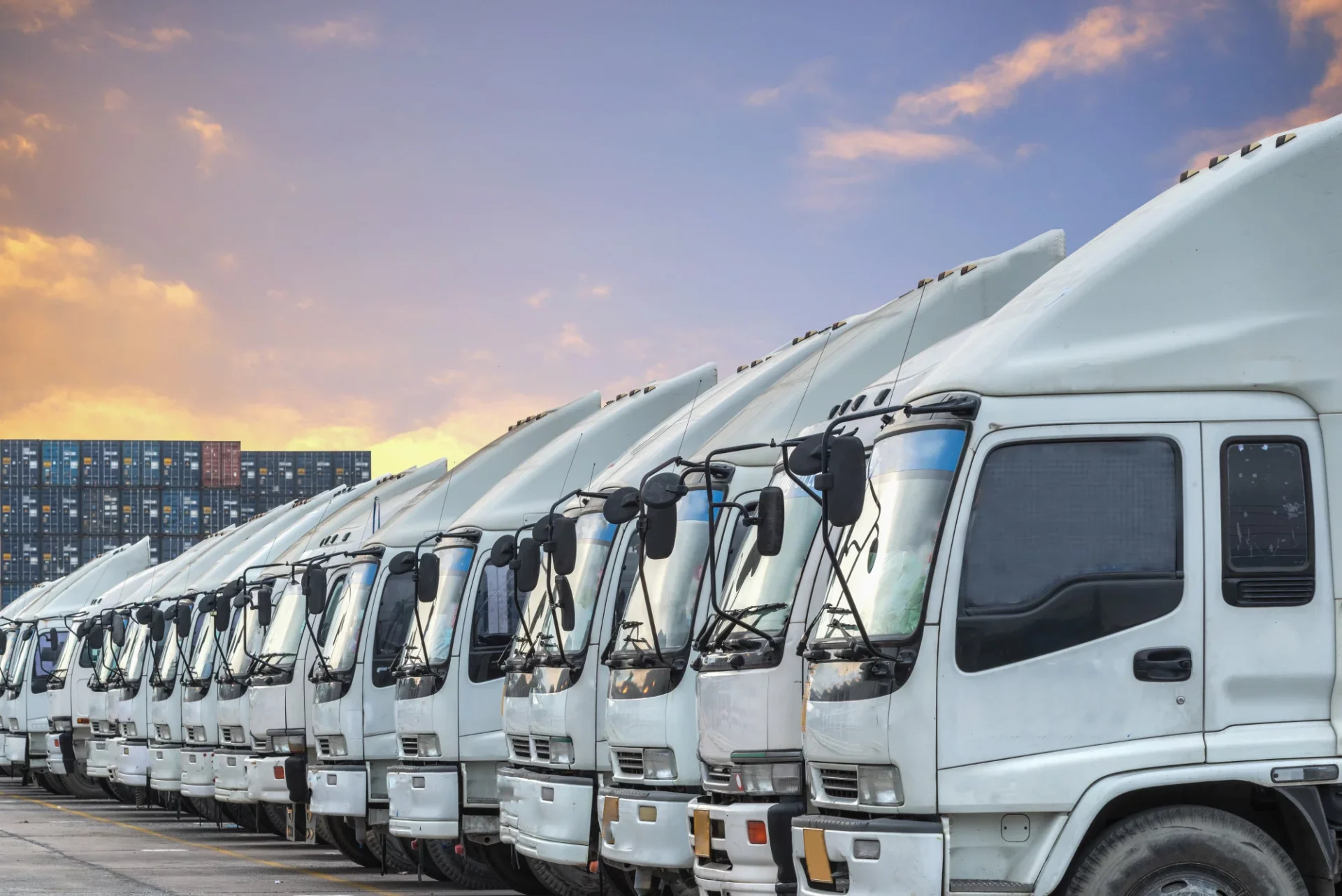
By 2025, fleet managers’ thinking is of a new world: fuel prices, sustainability, and maintenance efficiency. Gasoline and diesel fuels no longer provide cost predictability or environmental harmony necessary for long-term profitability. Vehicle fleets powered by propane, propane autogas fleets, are on the rise in number as a result. Reduced cost of operation, reduced emissions, and tested dependability make propane an affordable, future-proof option for small and large fleets. This article examines how propane vehicles are cost-saving, highlights environmental and regulatory benefits, demonstrates operating benefits, and explores real-world applications in today’s fleet climate.

Fleet Managers: How Propane-Powered Vehicles Cut Costs in 2025 | LP Propane

Cost Savings of Propane Vehicles

Cost is the number one priority for fleet managers, and propane provides steady savings in fuel, maintenance, and operations. Recognizing these cost benefits enables managers to understand why propane excels compared to gasoline, diesel, and even electricity.

Reduced Fuel Cost

Propane autogas is significantly cheaper than gasoline or diesel, typically 30–40% cheaper per gallon. To big fleets that consume tens of thousands of gallons annually, those savings are substantial. A delivery business with 50 cars would save tens of thousands of dollars in a single year just from the cost difference for fuel alone.

Stable Pricing

Gas and diesel prices tend to fluctuate because of international oil markets, political unrest, and supply interruptions. Prices for propane remain steady, however, because it’s made in the area in such great quantities. This makes it easier for fleet managers to anticipate operational expenses and not get caught by surprise with unforeseen costs.

Lower Maintenance Costs

Propane is cleaner burning than gasoline or diesel, leaving less carbon deposit and pollutant behind in the engine. That translates into fewer oil changes to make, less plugged-up filters, and a longer engine life. Savings on maintenance can put hundreds of dollars per year per-vehicle into the budget.

Longer Engine Life

Propane’s clean-burning characteristics reduce engine wear and tear, allowing vehicles to run longer. Fleets can run more miles to replacement, lowering vehicle cost of turnover overall and driving maximum return on investment.

Incentives and Rebates

Some U.S. states offer supportive incentives for propane fleets, such as fleet vehicle conversion tax credits, rebates on the purchase of propane fuel, and fueling infrastructure grants. These incentives reduce the initial and ongoing costs of operating propane-fueled fleets.

Competitive Advantage

Lower operating costs offer firms a great competitive edge. With decreased fuel and maintenance costs, firms are able to use money in saving on growth, expansion, or improving service quality and therefore become attractive to investors and customers.

A future-ready fuel for modern fleet managers!

Environmental and Regulatory Advantages

Aside from affordability, fleets today are measured by their ecological impact and the ability to meet more stringent regulations. Propane cars offer a cleaner, greener alternative that makes companies remain compliant while improving their sustainability profile.

Lower Emissions Profile

Fleets run by propane release less greenhouse gases, nitrogen oxides, and particulate matter than diesel. For fleet managers with limited emission reduction schedules, propane is an option with no performance compromise.

Greener Brand Image

Employing propane-fueled fleets gives a company a progressive reputation and green-friendly reputation. Customers are leaning more and more towards green-friendly businesses, and fleets run by propane enhance the credibility of the brand.

Compliance Regulations

As emissions are increasingly curtailed across the U.S. and Canada, propane makes it possible for fleets to comply with the needs without after-treatment hardware that is too expensive such as in diesel engines. That equates to less expense and less intricacy.

Renewable Propane Availability

Renewable propane, produced as a byproduct of renewable fuel, is becoming increasingly popular. It performs in the same manner as ordinary propane but with carbon intensity up to 80% less. Fleet operators who use renewable propane are future-proofing their business against tighter environmental regulations.

Noise Reduction

Propane buses and trucks are quieter than diesel engines. They reduce the noise pollution in residential and city areas, provide greater comfort to drivers, and lower the interruptions to nighttime activities.

Green Certification Eligibility

Upgrading to propane fleets can allow companies to qualify for green certification, carbon reduction programs, and government-initiated sustainability programs. Such certifications add value to customers and partners and make the company a top green logistics company.

Operational Advantages of Propane Fleets

Quick Refueling

Propane trucks refuel in minutes, such as diesel or gasoline, and not electric trucks that take hours of battery recharge. This translates to reduced downtime and increased on-the-road vehicles.

Cold Weather Dependability

Propane will not gel during cold weather like diesel engines do, making it ideal for northern state fleets or extreme weather.

Flexible Infrastructure Solutions

The propane fueling infrastructure is flexible, ranging from on-site private fueling to public propane refueling infrastructures. Fleet managers can choose a wide range of alternatives based on fleet size and budget.

The Flexibility to Mix Fleets

Propane vehicles complement gasoline, diesel, or electric fleet-mixes within the same operation. Managers can diversify and mix without needing to reinvent the whole operation.

Mature Technology

Propane autogas is not new, decades of trouble-free performance in fleets worldwide. It starts with delivery trucks and school buses. Propane fuel vehicles are tested, road-tested, and dependable.

Multi-Vehicle Applications

Propane performs equally well with multiple vehicles, like light-duty trucks, vans, shuttles, and buses. That makes it easy for fleet managers to deploy propane in multiple operations and achieve optimal benefits.

Propane vs. Diesel

Propane and diesel have been pitted against each other for decades, but propane is the better option for daily fleet application. Diesel engines are expensive to exhaust treat, filter-replace on a periodic basis, and maintain higher maintenance costs. Propane eliminates these issues with similar performance. Cleaner propane emissions reduce environmental risk, and diesel fleets risk penalties or fines if emissions controls tighten further.

Propane vs. Electric Cars in 2025

Electric cars dominate the sustainability conversation, but 2025 is unique for propane. EVs boast zero tailpipe emissions, expensive charging infrastructure, extended charge time, and perhaps not quite high enough for high-mileage fleets. Propane provides initial cost savings, quick refueling, and reliable performance. For fleets looking to reduce costs at the expense of uptime, propane presents a middle solution between diesel and full electrification.

Propane as a Smart Fleet Strategy

Propane vehicles are more than a quarter-to-quarter fueling solution they’re a smart fleet strategy for 2025 managers. With reduced fuel bills, lower maintenance needs, longer-lasting vehicles in the fleet, and greenhouse gas regulation, propane pays dividends while making fleets competitive. From delivering fleets to shuttle buses to service trucks, propane delivers short-term value and long-term dependability. For managers stretched between operational efficiency, green initiatives, and cost reduction, propane autogas is one of the wisest investments in modern fleet operations.

BLAZING BLOGS

Fleet Managers: How Propane-Powered Vehicles Cut Costs in 2025 | LP Propane

How Does Liquid Propane Turn Into Gas?

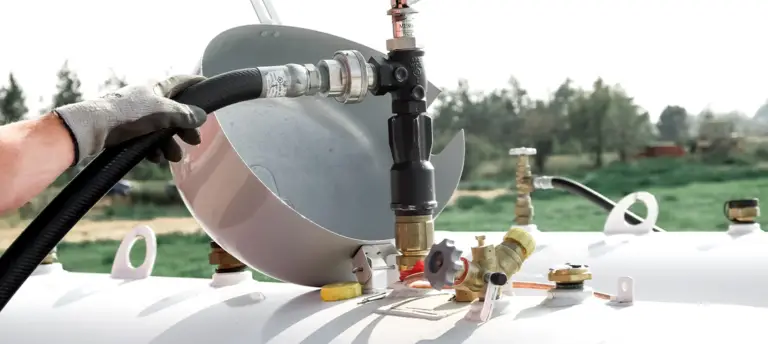
How Does Liquid Propane Turn Into Gas? Liquid propane turns into gas through a process called vaporization. Propane is stored as a liquid because pressure allows a large amount of fuel to fit inside a tank. However, appliances such as

Read More »

State Fair Giveaway

$500 Worth of Propane

Be one of the first 200 New Customers to sign-up until September 15th to get $500 worth of propane, FREE! You’ll also get 1 year free tank rental when you switch!

JOIN THE IGNITE PROGRAM

NEW CUSTOMER? Fill out the New Customer Application to join IGNITE.

Save $0.05 Per Gallon with the IGNITE Program Learn more!

This field is for validation purposes and should be left unchanged.
Name(Required)
Service Address(Required)
AAP Agreement(Required)
You will be contacted by a Customer Service Representative to obtain your credit card information.
Terms of Service(Required)

LP Propane Ignite Program – Terms and Conditions

1. Eligibility and Program Requirements
To qualify for and maintain enrollment in the LP Propane Ignite Program and receive the $0.05 per gallon fuel discount, the Customer must simultaneously enroll in and maintain active status in the following three core services:

Auto Fill Delivery: The Customer authorizes LP Propane to automatically monitor, schedule, and deliver propane to the designated tank when levels dictate, bypassing the standard Will Call scheduling requirements.

Auto Pay: The Customer must maintain a valid, authorized payment method on file (Credit Card, Debit Card, or ACH/Direct Draft). Invoices will be automatically drafted within 7 days after the delivery.

Paperless Billing: The Customer agrees to receive all invoices, statements, and program communications via email. Opting out of online billing or requesting paper statements will result in a $4.95 monthly fee and disqualification from the program.

2. Fuel Discount Terms

The $0.05 per gallon discount applies exclusively to the standard market rate of propane at the exact time of delivery.

The discount is applied automatically on invoice.

This discount cannot be combined with specific commercial contract pricing or volume discounts unless expressly authorized in writing by LP Propane.

3. Tank Monitoring and Delivery Access

LP Propane may utilize physical tank monitors or advanced usage-tracking algorithms to schedule deliveries.

Access Requirements: The Customer must ensure the propane tank is always completely accessible to delivery personnel and vehicles. The pathway must be free of obstacles, locked gates, debris, or unrestrained animals within a 100-foot radius.

Seasonal Maintenance: During winter months, the Customer is legally responsible for clearing snow, ice, and paths leading to the tank. If a delivery vehicle cannot safely access the tank, the delivery will be delayed, and any emergency filling fees incurred due to subsequent low fuel levels will be billed to the Customer.

4. Credit Status and Payment Failures

If an Auto Pay transaction is declined or fails for any reason (e.g., expired card, insufficient funds), the Customer must update their account billing details immediately. If the transaction remains unprocessed for 30 days despite attempts by LP Propane to contact the Customer, the account will be automatically unenrolled from the program.

If an account balance becomes past due, LP Propane reserves the right to suspend Auto Fill privileges, pause the $0.05 per gallon discount, and transition the account to a "Will Call / Cash on Delivery" basis until the account is brought current and after review and approval of LP Propane’s credit department.

5. Program Termination or Changes

Customer Termination: Removing any of the mandatory components (Auto Fill, Auto Pay, or Paperless Billing) constitutes voluntary termination from the program. If you would like to opt out of the Ignite program you must submit 30 day written notice

Company Modifications: LP Propane reserves the right to alter, modify, or terminate the Ignite Program framework, including discount amounts or underlying eligibility terms.

MM slash DD slash YYYY