
Can You Install a Fence Around a Propane Tank?
Can You Install a Fence Around a Propane Tank? A propane tank can interrupt the look of a landscaped yard, especially when it sits near a patio or driveway. A fence may seem like an easy way to hide it,
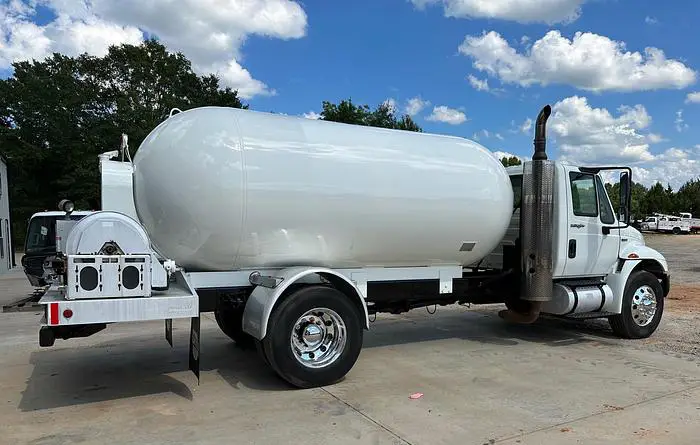
Load shedding has been a matter of significance for homes and businesses in most areas. In the event the power infrastructure fails, basic operations, from backup medical equipment to the preservation of food freshness, are at risk. As a remedy against such risk, propane has become one of the highest-rated fuels used for emergency power solutions. Its flexibility, storage volume, and cost-effectiveness render it an easy option for home, community, and business centers preparing against unexpected power blackouts. The article outlines the use of propane in backup systems, its applications in load shedding, as well as how to use it to optimal efficiency.
Propane provides a clean-burning and reliable source of energy that is not affected by grid outages. With its long storage life and on-demand availability, it is a reliable option for homes and businesses experiencing regular power failures.
Propane exists and is easy to accumulate in quantity, so houses and buildings do not have to rely on subpar quality lines of fuel during outages. It will never oxidize as diesel fuel does, so it is a great solution for long-term backup purposes.
Propane is cleaner-burning than gasoline or diesel and has fewer emissions and less space for indoor air quality issues. Its environmental attractiveness attracts its customers among home consumers who value sustainability even in disaster situations.
Propane has one of its strongest strengths in its limitless shelf life. In cylinder or pressure tanks, propane never loses energy value, and you can cache emergency supplies for years without incurring out-of-pocket expenses for expensive maintenance.
Generators fueled by propane can operate for hours continuously, producing steady electricity without ruthless spikes. The stability is invaluable for sensitive equipment such as computers, medical equipment, and communications equipment.
Less expensive to operate than gasoline or diesel, propane provides an economical solution to being ready for repeated or extended power outages. Annually, the savings accumulate in areas where load shedding is a yearly occurrence.
Propane is not just for standby generators. Propane can be utilized for heating, cooking, and hot water during an outage, allowing homes to experience various levels of comfort and safety when the lights go out.
Combining propane with portable or standby generators provides an easy shift when load shedding occurs. Propane-powered systems can provide unbroken electricity when the grid fails, if installed and cared for appropriately.
Propane portable generators are an easy, quick, and affordable option for residential use. They are easy to operate, mobile, and ideal for small-scale applications such as powering appliances or equipment in the home.
Small propane-powered systems can be built into a house’s electrical panel. These will automatically switch on when there is grid power loss, delivering instant supply to lighting, refrigerators, HVAC systems, etc.
Combining propane with solar power creates a hybrid solution, and this is the key to maximum energy resiliency. Solar panels take care of daylight needs, and propane generators take their place for extended outages or cloudy conditions.
Propane backup systems suit businesses because they are multi-functional and encompass all, ranging from retail stores to data centers. Propane prevents downtime expenses and brings productivity along with customer confidence.
For areas that are remote or rural with poor grid connection, propane is the pillar of independent power systems. It provides electricity supply on a guaranteed basis to homes, ranches, and other isolated residences during power outages.
Propane backup systems can be very effectively integrated on already existing electrical systems with lower cost on installation and therefore an efficient choice for new construction as well as already constructed houses.
There must be an appropriate location where tanks will be installed and away from heat or flammable substances. The outdoor installation offers security while fuel is easily available.
For reliability, the propane tanks, pipelines, and valves need regular inspection. Professional checks might detect such leakages or weak points before they become risky.
With the use of portable propane cylinders, operators are supposed to employ safe handling. This involves vertical storage, not overfilling, and not storing in the confines of spaces to stay ahead of risks.
The application of automatic shut-off valves contributes to the safety feature in case of an emergency. The systems prevent leaks and make propane not to be a source of fire in case the lines are ruptured.
Codes of operation and storage of propane vary site by site. Adherence to local safety codes not only provides safe operations but also avoids fines or interruptions.
Homes and businesses need to train residents and workers in propane fundamentals of safety smell recognition, dealing with equipment, and responding to emergencies properly and quickly.
Propane backup is an economical measure. For homes, it avoids loss from spoiled food, appliance failure, and inconvenience of the disruption. For businesses, there are even greater benefits with less downtime, possibly up to thousands of dollars’ worth of lost business per hour. Propane also diminishes reliance on fluctuating fuel market prices, as propane is less price-fluctuating than gasoline or diesel fuel. In the long run, the efficiency, reliability, and cost-effectiveness of propane make it a superb economic investment in long-term load shedding preparedness.
Load shedding affects more than the energy of electricity; load shedding affects comfort, productivity, and safety. Propane brings peace of mind as critical systems remain operational. Families are able to continue cooking, boiling water, and staying warm during winter blackouts. For individuals and professionals alike, consistent lighting and equipment charging provide productivity. For health-related purposes, propane back-up systems shall provide service to life-supporting devices. By filling such gaps, propane not only performs its functions but also erases stress and anxiety that normally result from unexpected power failures.
In areas afflicted with inconsistent power outages, propane is the most efficient and practical backup source of energy. Its long shelf life, simplicity of storage, and capability of powering various household and commercial applications renders it inevitable for load shedding solutions. Coupled with smart storage, safety features, and hybrid energy technology, households and businesses can enjoy round-the-clock access to power, even during the blackest of nights.

Can You Install a Fence Around a Propane Tank? A propane tank can interrupt the look of a landscaped yard, especially when it sits near a patio or driveway. A fence may seem like an easy way to hide it,
What Should You Know Before Landscaping Around an Underground Propane Tank? An underground propane tank keeps most equipment out of sight, but the ground above it still needs careful planning. A new flower bed, retaining wall, or irrigation trench can

Be one of the first 200 New Customers to sign-up until September 15th to get $500 worth of propane, FREE! You’ll also get 1 year free tank rental when you switch!
NEW CUSTOMER? Fill out the New Customer Application to join IGNITE.
Save $0.05 Per Gallon with the IGNITE Program Learn more!