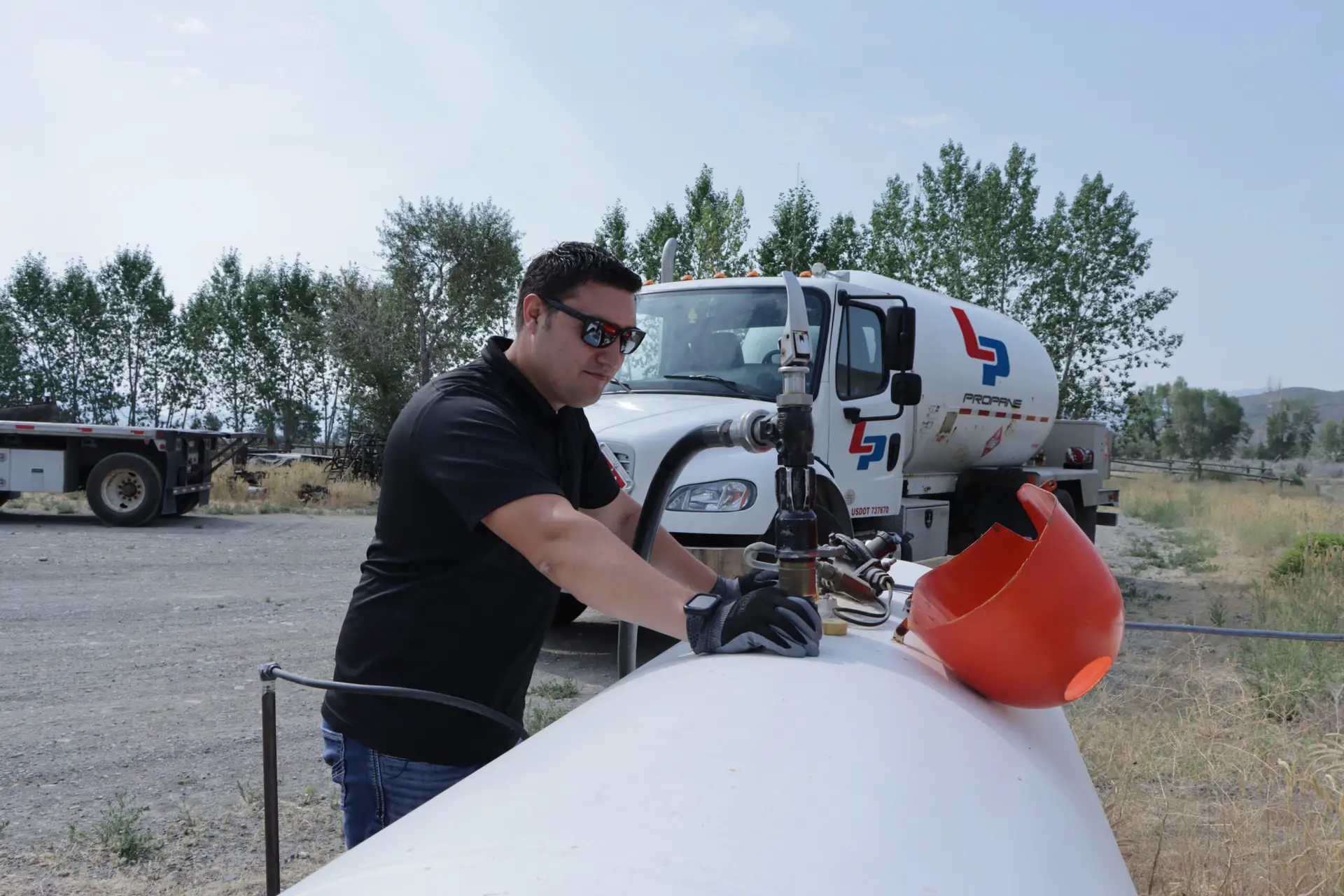
What’s the 80/20 rule in the case of Propane Tanks?

This vapor space allows propane gas to expand as temperature increases, helping prevent excessive pressure and reducing the risk of regulator trips, leaks, or even worse. This is the case for portable Cylinders, ASME stationary tanks, and many commercial facilities; however, local regulations and tanks may introduce variations. For homeowners, fleet owners, RV owners, and commercial customers, the 80/20 rule is an essential, simple protection that shields equipment and individuals and ensures fuel availability. We’ll go over the background and technical background, how it’s applied in actual situations, and guidelines for monitoring and ensuring compliance.

What’s the 80/20 rule in the case of Propane Tanks? | LP Propane

The 80/20 Rule: Understanding the 80/20 Rule

The Origins of the Practice 80/20

This practice developed from the learnings about safety as the LPG market grew. The regulators and engineers realized that propane expands significantly with temperature changes. To prevent pressure overflow, standard body and tank makers recommend leaving headspace in tanks; a fill rate of 80% can be a practical, easy-to-enforce level.

Physical explanation - thermal expansion

Propane’s volume of liquid increases when it is heated. If the tank were filled, the slightest increase in temperature could result in extremely high pressure. The 20% vapor area allows expansion without exceeding the relief capacity originally designed for the tank.

The rule is used to determine the difference between cylinders tanks

Portable Cylinders (e.g., 20-lb grill cylinders) as well as stationary ASME tanks vary in design and relief mechanisms; however, both follow the 80% guidelines. Fill-level indicators or floating devices are often used to ensure tank compliance; in larger tanks, certified fill procedures and automatic shutoff devices are used.

Regulatory and Code context

Codes (such as NFPA in the U.S. and provincial/state regulations in other countries) provide safe-fill guidelines. Although the specific language varies, regulators require suppliers and operators to adhere to safe fill rates and use equipment certified by the regulator.

Influence on safety devices

Relief valves, excessive-flow valves, and pressure-vacuum valves occupy a certain headspace. Overfilling could cause relief valves to let liquid out, posing a fire hazard or fuel loss, which is exactly the rule of 880/20 0/20

Exclusions and specific situations

Certain designed devices (with specific control and monitoring) can manage various filling strategies; however, these are not common and generally require regulatory approval as well as additional precautions to protect.

Propane Tanks hydrated to at least 80% help protect against thermal expansion, preventing excessive pressure, and it’s an easy principle that can save lives and property.

How do you calculate and apply the 80/20 rule?

Know your tank’s water volume.

Tanks are classified by their capacity (e.g., a 500-gallon, a 500-gallon tank can hold 500 gallons of water). The 80% fill rate is determined from this capacity. For example, a tanks for LP with a 500-gallon water capacity should be filled with no more than 400 gallons of liquid propane.

Converting into the volume of fuel

As propane is measured by volume when it is filled, convert the amount of water to propane volume using the tank’s capacity. Many tanks show both the water capacity and the maximum allowed fill weight in pounds or Gallons.

Using weight vs. gallons

A few companies weigh tanks during filling to ensure proper levels. In smaller tanks, filling based on weight (using scales) is standard practice. In larger tanks, volume-based gauges calibrated in meters are used.

Triggers for refills, as well as the ability to schedule

Do not let tanks reach the lowest levels before planning a refill. Scheduling refills when the tank is about 30-40 percent full provides buffers and avoids rushed or high-risk top-offs in emergencies, which can increase risk.

Monitoring systems and gauges

Remote sensors, float gauges, and tank monitors help users keep track of levels with precision. The tools eliminate human error from the process and keep the tank within a safe level range.

What will happen when it is filled to the top?

When a tank is filled to the max, the liquid may be pushed through the vapor lines or cause relief valve discharge as temperatures increase. If you suspect an overfill, contact your service provider right away and follow their instructions. This isn’t an issue a homeowner can fix.

Practical application of the rule of 80/20

Heating for residential homes and backup generators

For standby or home heating generators, propane companies will fill tanks to 80% to ensure customers can enjoy reliable service without risking overpressure when the temperature rises or on an unseasonably hot day.

Industrial and commercial storage

Companies that depend on large Propane Tanks to heat processes or forklifts must follow strict filling protocols, usually including on-site monitoring and regular deliveries to avoid overfilling and running low.

RVs, mobile living

Tanks and cylinders for RVs must not be overfilled, as vehicles are prone to heat under the sun and can experience extreme temperature fluctuations; the 80% rule is an appropriate safety measure for users who travel.

Grilling, outdoor equipment

Common 20 lb BBQ tanks are filled to 80% of the capacity at reputable refill stores. Customers should verify that an overfill preventer device (OPD) is installed on these cylinders.

The use of agriculture and seasonality

Farmers who use propane to dry grain or heat livestock structures schedule fills to ensure a steady fuel supply, while still leaving sufficient room for vapors to accommodate temperature fluctuations between night and day.

Standby and emergency storage

If storing additional propane to meet emergencies, homeowners should ensure they do not exceed the 80 threshold. Storing multiple overfilled cylinders increases the risk of liquid release when it is warm.

Considerations regarding safety

An unbiased approach to ensuring safety in the vicinity of Propane Tanks starts with respecting the 80/20 rule, but it extends beyond installation and inspection to human behaviour as well. Make sure that fill connections are done by qualified technicians. Also, confirm the existence of any overfill protection devices in the cylinders and be aware of the mechanism of relief valves.

Check the cylinder’s OPD (overfill preventer) and the condition of the valve. In stationary tanks, check the mounting support, paint or coating, and the leak indicator. Keep track of the fill date and inspection logs. These help identify patterns that signal a need for correction.

The right size tank to choose

The right Propane Tanks dimensions depend on consumption patterns, available space, and the budget. In addition, oversizing could increase standing fuel (and accountability) and responsibilities, while undersizing could lead to frequent fillings, which could disrupt operations. Be aware of seasonal spikes (e.g., winter heating), your preferred delivery frequency, and whether you’d like the option of a controlled supply plan with automated deliveries. The proper size exercise should include calculated consumption for each month, the days with peak usage, and the amount of refill you want (commonly 30-45%).

Conclusion

The 80/20 rule in Propane Tanks is not an idea, but an important safety measure rooted in the fundamental physics of fuel expansion and backed by industry-specific experience and regulatory requirements. When filling the tank to less than 80% of its water capacity, the operators and their suppliers build a fail-safe buffer to accommodate thermal expansion, safeguard safety equipment, and reduce the risk of liquid spillage. Suppose you’re a homeowner who uses tanks for heating or cooling, an owner of a motorhome, a farmer, or an operator of a business. In that case, knowing and following the 80/20 rule must be an integral part of regular fuel management. Use a certified professional, keep track of levels with care, and handle propane with consideration, as it’s a reliable and useful fuel when used properly.

Note: I wrote the content above to provide users with clear, organized, and practical guidelines for filling your propane tank. If you’d like, you can reformat it. I’ll transform this into a printable checklist and a one-page safety brochure, or even reduce it into a 300-400-word overview to make it easy to share.

BLAZING BLOGS

What’s the 80/20 rule in the case of Propane Tanks? | LP Propane

Does Propane Lose Efficiency Over Time?

Does Propane Lose Efficiency Over Time? Propane is commonly known as a stable, clean burning, and long lasting fuel. It is used by homeowners and businesses to provide heating, cooking, water heating, generators and agriculture. The common question of many

Read More »
What’s the 80/20 rule in the case of Propane Tanks? | LP Propane

Propane for Workshops, Garages & Hobby Spaces

Propane for Workshops, Garages & Hobby Spaces Garages, workshops, hobby areas commonly do not have the central heating system of a home in operation. These spaces cannot do without regular and dependable heat whether it is woodworking, automotive work, metal

Read More »

Add Your Heading Text Here

JOIN THE IGNITE PROGRAM

NEW CUSTOMER? Fill out the New Customer Application to join IGNITE.

Save $0.05 Per Gallon with the IGNITE Program Learn more!

This field is for validation purposes and should be left unchanged.
Name(Required)
Service Address(Required)
AAP Agreement(Required)
You will be contacted by a Customer Service Representative to obtain your credit card information.
MM slash DD slash YYYY

State Fair Giveaway

$500 Worth of Propane

Be one of the first 200 New Customers to sign-up until September 15th to get $500 worth of propane, FREE! You’ll also get 1 year free tank rental when you switch!