What Home Inspectors Look for in Propane Systems

Many homes rely on propane systems to supply the household with energy to heat, cook, and have hot water, among others. Propane is a flammable fuel so it should be handled and maintained in a proper way to make it efficient and safe. The propane systems are meticulously checked during a home inspection to ensure that all the elements are fitted well and functioning as intended. Knowing what the inspectors are searching can make the home owner ready, prevent expensive problems and keep their system safe and reliable in the long run.

What Home Inspectors Look for in Propane Systems | LP Propane

Tank Condition and Placement

Physical Condition of the Tank

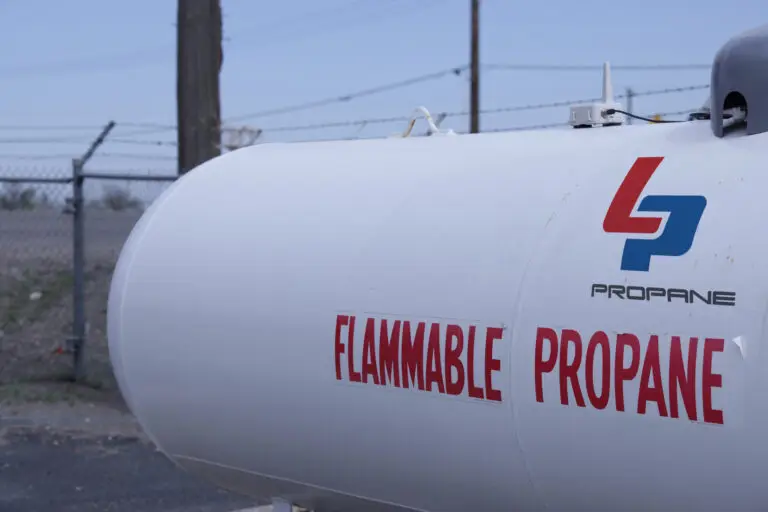
The appearance of rust, dents, corrosion, or leaks are visible indicators that can be examined by the inspectors. A properly maintained tank must look clean, solid and not weakened structurally to compromise on safety.

Proper Tank Placement

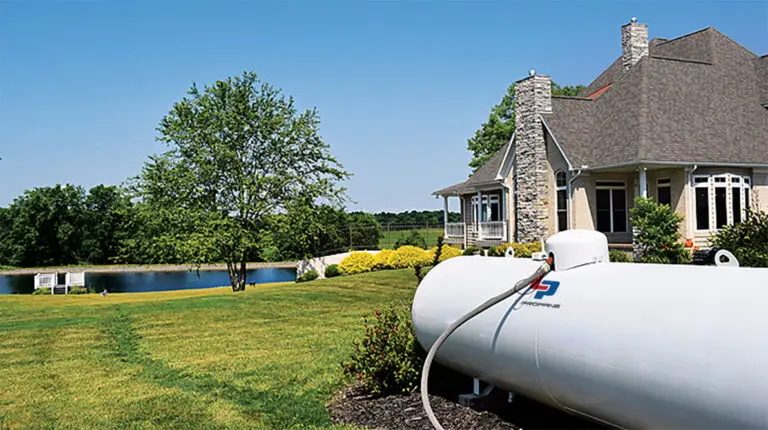
The tank should be placed at a considerable distance with the home, windows, doors and the sources of ignition. The correct installation will minimize the danger of fire and guarantee adherence to safety standards.

Stable Base and Support

The propane tank ought to be placed on a flat and stable surface to ensure that it is on concrete or a pad. The inspectors make sure that the tank is neither tilted nor prone to movement with the passage of time.

Clearance Around the Tank

The tank should have sufficient open spaces where the ventilation and maintenance can be carried out. The inspectors examine the areas to ensure that the areas are free of obstructions such as plants, debris or buildings that can cause blockage.

Protective Measures

In other instances, tanks might need barriers or covers to avoid accidental damages more so in high traffic locations. Inspectors examine the existence of the appropriate protection.

Signs of Regular Servicing

The tank has been well serviced as inspection tags, records of maintenance or even visible evidence of maintenance indicates that the tank has been well serviced. This assures the inspectors on the state of the system.

A safe propane system starts with the right inspection checklist

Gas Lines, Connections, and Regulators

Condition of Gas Piping

Gas lines are inspected by examining them due to corrosion, cracks, or wear. Pipes are to be in good condition and not to be damaged by the environment.

Leak Detection

One of the most significant steps is to check leaks. Inspectors can either seek odor clues or listen to hissing noises or make use of instruments to identify gas leaks.

Proper Regulator Function

The pressure of propane into the system is regulated by regulators. To ensure safe pressure levels, the inspectors ensure that regulators are properly installed and they are also in good condition.

Tight and Secure Connections

Any fittings and joints should be well fixed. The loose connections may cause leaks hence inspectors scrutinize every point of connection.

Safe Routing of Gas Lines

The gas lines are to be directed to where they will not be ruined. Inspectors also make sure they are not subjected to risks they do not need like physical contact and extreme weather.

Adherence to Standards and Codes

Gas lines and other elements should comply with the local building codes and safety standards. Inspectors ensure that the installation is done according to guidelines approved.

Propane Appliances and Ventilation

Correct Appliance Installation

Propane appliances have to be installed as per the instructions of manufacturers. There is checking of tools such as alignment and proper setting.

Ventilation and Airflow

There should be proper ventilation to avoid gas accumulation. Vents, flues, and chimneys are inspected by the inspectors to ascertain their freedom and functionality.

Burner Flame Quality

The flame generated by appliances can be seen by the inspectors. Stable blue flame is an indication of efficient combustion, whereas irregular ones could be signs of trouble.

Safety Shutoff Valves

There ought to be open shutoff valves on appliances. These valves are also checked by the inspectors to ensure that they are there and working appropriately in case of emergency.

Carbon Monoxide Safety

Inspectors take into account the danger of coming into contact with carbon monoxide. They can prescribe or screen detectors to be more secure within the house.

Signs of Wear or Malfunction

Ancient or run-down appliances might exhibit peculiar sounds, discoloration or decreased efficiency. These problems are recorded by the inspectors to be repaired or replaced.

Importance of Regular Maintenance for Propane Systems

It is necessary to make sure that the propane systems are safe and efficient by conducting regular maintenance. Components may break down or become inefficient over time and it may cause safety issues or increase energy expenses. Professional inspection on a regular basis assists in identifying minor issues that can then be rectified before they escalate into serious problems. Maintenance also sees to it that tanks, gas lines, and appliances are maintained to remain in their best. Homeowners that invest in routine servicing are capable of not only increasing the safety but also the life-span of their propane systems.

Preparing Your Home for a Propane Inspection

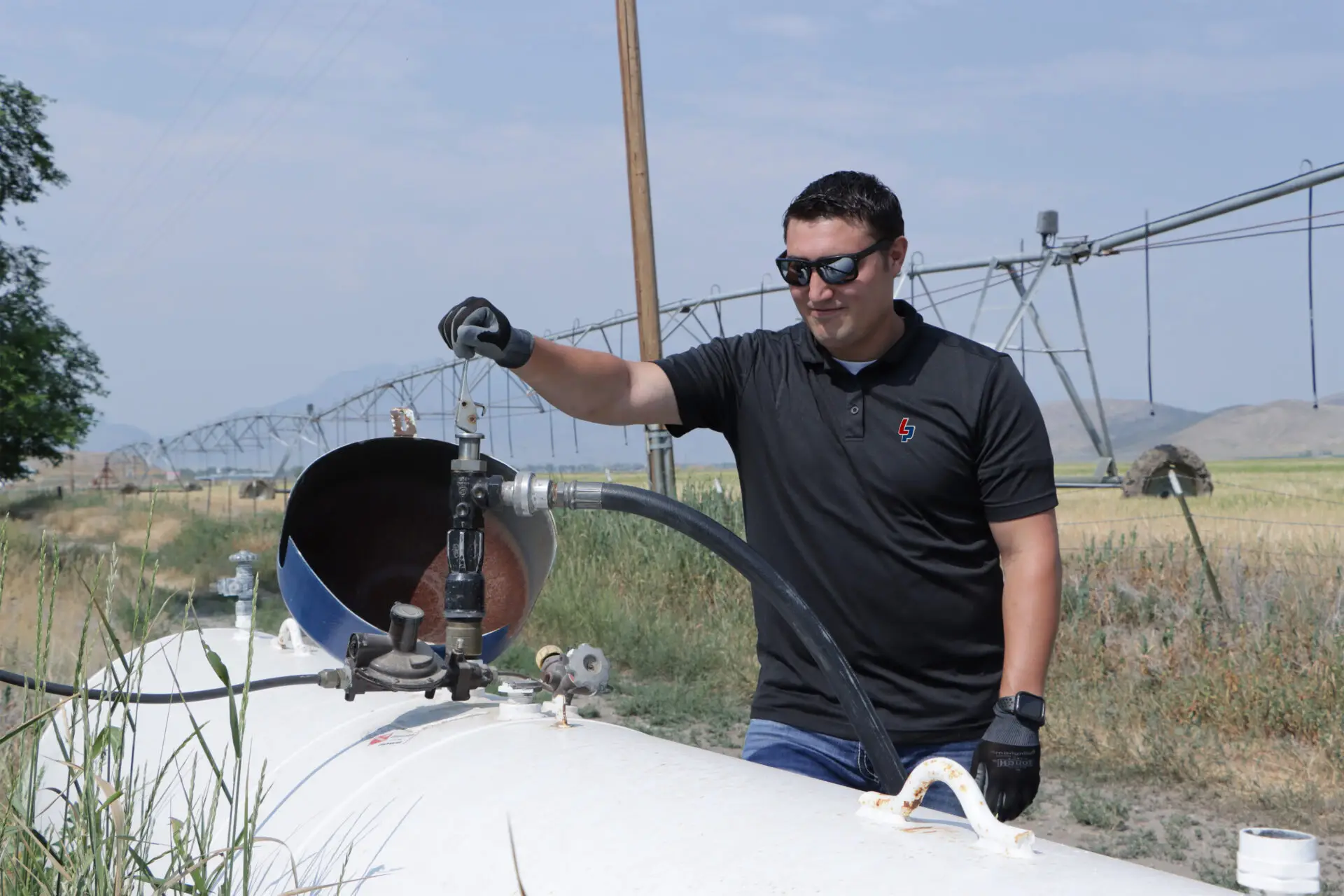
To make the process easier and more successful, it is possible to prepare your home to a propane system look and check it. Begin with making certain that the propane tank space is clean, clear and reachable. Keep the area around the tank and lines of gas free of debris, clutter of overgrowth. Ensure that there is no blockage in vents and ascertain that all propane appliances are functioning correctly. Maintaining maintenance records would also help in providing appropriate care. These are some of the basic steps that can be taken to prevent delays and enhance the results of the inspection.

Keeping Your Propane System Safe and Inspection-Ready

Propane systems are assessed very carefully by home inspectors, thus becoming safe, efficient, and up to the necessary standards. Checking the tank condition to gas lines and appliances inspection are all significant elements in the general system performance. In the case of the homeowner, these points of inspection can be easily comprehended to ensure that the systems are kept up to date and that faults are eliminated in time. Propane systems can be depended upon to supply the years of reliable energy and confidence with proper attention to safety and frequent maintenance.

BLAZING BLOGS

What Home Inspectors Look for in Propane Systems | LP Propane

Why Long-Term Customers Pay Less Over Time

Why Long-Term Customers Pay Less Over Time It is advantageous to the businesses as well as the consumers to foster long term relationships with the customers. New customers will be drawn to pricing and promotional offers at first, whereas with

Read More »

JOIN THE IGNITE PROGRAM

NEW CUSTOMER? Fill out the New Customer Application to join IGNITE.

Save $0.05 Per Gallon with the IGNITE Program Learn more!

This field is for validation purposes and should be left unchanged.
Name(Required)
Service Address(Required)
AAP Agreement(Required)
You will be contacted by a Customer Service Representative to obtain your credit card information.
MM slash DD slash YYYY

State Fair Giveaway

$500 Worth of Propane

Be one of the first 200 New Customers to sign-up until September 15th to get $500 worth of propane, FREE! You’ll also get 1 year free tank rental when you switch!