Propane Tank Sizes Explained: Choosing the Right Fit for Your Home or Business

Selection of the propane tank size is among the key decisions a homeowner or a business owner should consider when setting up a propane installation. This is because the size of the propane tank is directly linked to fuel supply, frequency of deliveries, operational cost, as well as convenience. This is because a small tank may need constant refill, while a large tank may end up increasing the installation cost. Knowledge on propane tank size alignment with your energy requirements will, therefore, facilitate efficiency, dependability, and satisfaction.

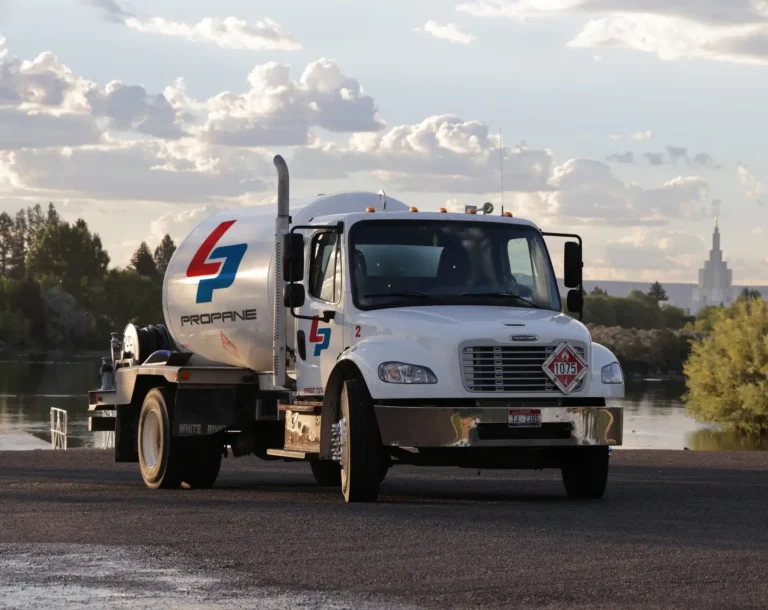
Propane Tank Sizes Explained: Choosing the Right Fit for Your Home or Business | LP Propane

Residential Propane Tank Size Basics

20-Pound Tanks: Small Scale and Portability

Such tanks are often employed in grill systems, patio heaters, and other outdoor appliance applications. They are light, mobile, and simple to replace, although not ideal for the powering of household systems.

100 Pound Tanks: Beginning Home Use

A tank that holds 100 pounds of gas can be utilized for either a fireplace, heater, or appliance. This tank can be perfectly utilized for seasonal heating purposes, as it will not provide enough supply for an entire house.

250 Gallon Tanks

The capacity of this tank allows for the support of different appliances such as ranges, water heaters, and dryers. The appliance is ideal for small homes or homes with moderate propane usage.

500-Gallon Tanks: Complete Home Comfort Solution

A 500-gallon tank is perhaps the most popular choice in residential applications. It has the ability to meet the requirements of home heating, hot water supply, cooking, and power generation in the form of generators. It decreases the refill cycle as well.

Storage Tanks of 1,000 Gallons Capacity

In bigger homes with considerable propane consumption, the benefits can be derived by using 1,000-gallon tanks. They are capable of holding sufficient fuel to meet the demand generated by the usage of heaters, generators, swimming pools,

Comparing Underground and Above-Ground Storage Tanks

Above ground tanks are easier to install and maintain, while ground tanks are aesthetic and temperature-regulated. Options vary depending on space, budget, and zoning.

Right-sized propane storage means fewer refills and more peace of mind.

Choosing the Right Propane Tank for Commercial and Business Use

Small Commercial Tanks for Retail & Offices

In some instances, such as space or water heating, the use of propane will be low for the business, and they will thus use a 250- or 500-gallon tank.

Medium-Sized Tanks in Restaurants & Hotels

Restaurants, hotels, and catering operations find use in 500 to 1,000-gallon storage tanks to provide hot water or heating oil for their operation.

Large Tanks in Industrial and Agricultural Sectors

Farm, storage, or manufacturing operations often involve the use of tanks larger than 1,000 gallons. Such systems involve equipment support, forklift operation, crop drying, or process heating.

Fleet and Transport Fuel Storage

It is used for heating school classes, for bus transportation, and for backup power in the schools in the USA. The schools prefer the use of propane energy for its stability in cost and cleaner emissions. It is also used to ensure the schools’ continuity in case of weather-related disruptions.

Temporary Tanks for Construction and Events

Construction sites as well as major events hold temporary propane tank facilities based on the time required for execution of the project as well as the required energy.

ardless of the seasons.” It is also very effective in temperatures when electric tools can’t work. This is because it can be moved from one place to another, which is useful in areas with no electricity.

Compliance, Safety, and Zoning Issues

Retail tanks must be in compliance with codes of practice regarding their positioning, clearance, and safety inspection. Size is an effective measure in this regard.

Factors That Determine the Right Propane Tank Size

Number of Propane Appliances

If the home or business has various appliances that are propane fueled, it will need to have a propane tank that can meet the demand without running low quickly.

Heating Needs and Climate

In colder environments, the need for propane for heating rises. The bigger the storage capacity, the more continuous the comfortable supply in the midst of winter.

Frequency Of Refills And Delivery Access

A larger tank means fewer deliveries, which is quite helpful if it is a rural area or a place which is not easily accessible.

Budget and Installation Costs

Although higher-capacity tanks are more expensive, they will provide savings to the facility in the future due to the economy of scale of bulk prices or avoiding emergency refills.

Space Availability & Property Layout

Choosing the appropriate tank size will have to consider available space, setbacks, as well as accessibility relating to delivery trucks.

Future Expansion Plans

It also becomes easier to implement upgrades in appliances, home additions, and/or more business activity in the future since a bigger tank has been set up.

The Effect of Propane Tank Size on Fuel Efficiency

Properly sized gas propane tanks will promote favorable fuel pressures in order to provide proper appliance operations. Smaller gas propane tank sizes can induce frequent cycling, the inefficiency of gas combustion, as well as unnecessary stress on gas appliances.

Smaller tank sizes mean that there will be high rates of deliveries, emergency refill charges, and inefficiencies. Larger tank sizes translate to higher capital costs, but they lead to cost savings with respect to fuel prices. The two costs should be balanced.

The Effect of Propane Tank Size on Fuel Efficiency

Properly sized gas propane tanks will promote favorable fuel pressures in order to provide proper appliance operations. Smaller gas propane tank sizes can induce frequent cycling, the inefficiency of gas combustion, as well as unnecessary stress on gas appliances.

Smaller tank sizes mean that there will be high rates of deliveries, emergency refill charges, and inefficiencies. Larger tank sizes translate to higher capital costs, but they lead to cost savings with respect to fuel prices. The two costs should be balanced.

Working With a Propane Provider to Choose the Best Fit

Professional propane suppliers analyze usage trends, appliance load, and seasonal demands in order to prescribe the optimal size of the propane tank. The expertise of these professionals will ensure that all propane operations meet the required safety standards. The appropriate size of your propane tank plays an important role in ensuring efficiency in terms of comfort, cost savings, as well as dependability. Using either in your home, your place of work, your agricultural ventures, or your fleet of vehicles will depend on an appropriate tank to provide you with a steady energy supply without any interruptions or unnecessary costs.

BLAZING BLOGS

Propane Tank Sizes Explained: Choosing the Right Fit for Your Home or Business | LP Propane

JOIN THE IGNITE PROGRAM

NEW CUSTOMER? Fill out the New Customer Application to join IGNITE.

Save $0.05 Per Gallon with the IGNITE Program Learn more!

This field is for validation purposes and should be left unchanged.
Name(Required)
Service Address(Required)
AAP Agreement(Required)
You will be contacted by a Customer Service Representative to obtain your credit card information.
MM slash DD slash YYYY

State Fair Giveaway

$500 Worth of Propane

Be one of the first 200 New Customers to sign-up until September 15th to get $500 worth of propane, FREE! You’ll also get 1 year free tank rental when you switch!