How to Prepare Your Propane System Before Leaving for Vacation

Preparing your home’s propane system before a trip is among the most effective ways to safeguard your home and prevent emergencies. Make sure you’re returning to a secure, functional house. No matter if you’re planning a quick weekend trip or a longer excursion, taking additional precautions will eliminate any concerns, help you save money, and protect your home appliances. This guide will help you understand everything you need to know before locking your door when leaving.
How to Prepare Your Propane System Before Leaving for Vacation | LP Propane

Safety Checks Before You Leave

Inspect All Propane Appliances Thoroughly

Before travelling, inspect your stoves, fireplaces, dryers, and water heaters for wear, odors, or leaks. An instant fire inspection and ignition check will ensure that everything is operating properly. If you spot streaks of soot, yellow flames, or unusual noises, plan a repair before departing.

Test Carbon Monoxide & Propane Detectors

It is essential to have your detectors working while you’re out of the country. Recharge batteries, perform testing cycles, and verify that the alarms are functioning properly. Alarms are best placed in living rooms, bedrooms, or any area with propane appliances.

Check for Propane Leaks Around the Home

Go around your house and around your tank, sniffing for rotten-egg smell and listening for hissing. Solutions for detecting leaks or handheld devices provide assurance. Any minor can become a risk if not properly cared for.

Ensure All Pilot Lights Are Working Correctly

An unreliable pilot light could result in a loss of propane that isn’t needed during your absence. Examine all devices equipped with a pilot for secure lighting and a steady flame. If the pilot light flickers or intermittently goes out, have a technician check for the cause.

Schedule a Pre-Trip Professional System Inspection

An experienced technician can perform a complete system inspection, including checking pressure levels, line connections, regulators, and appliance performance. This is particularly important before lengthy trips, winter getaways, or even winter holidays.

Secure Outdoor Propane Tanks Against Weather or Impact

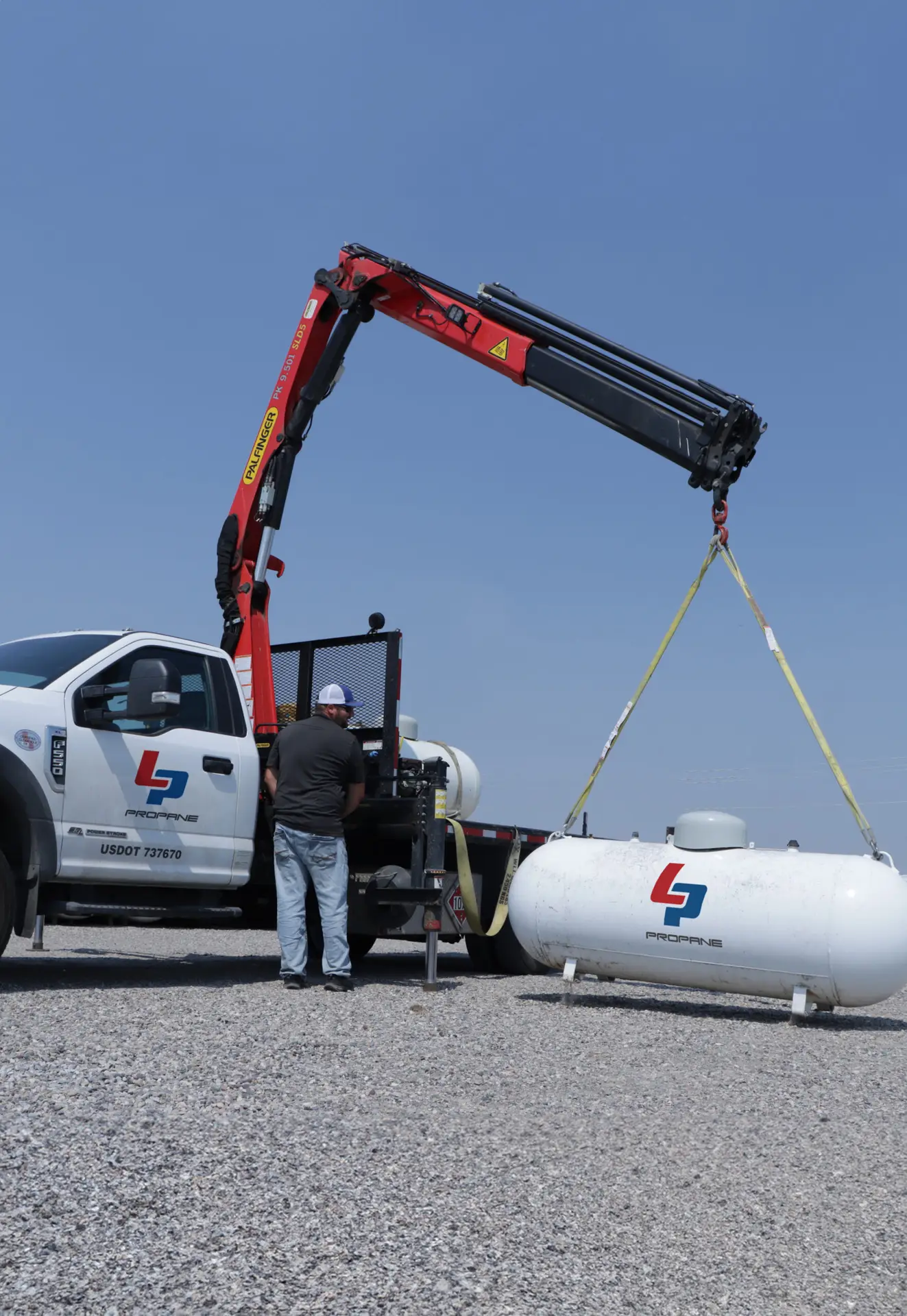
Secure portable tanks by tying them down. Check tank bases for stability and ensure regulators are protected from rainfall or other particles. This reduces the likelihood of the tank moving, freezing, or causing valve damage when you’re out of the area.

A safe home starts with a smart propane check before you go.

Adjustments and Settings for Efficiency While You’re Away

Turn Down Your Heating, Don’t Turn It Off

Reduce the temperature to a safe, energy-saving level (usually between 55°F and 60°F). Complete shut-off of the heat can result in frozen pipes or condensation, particularly in colder climates.

Lower Your Water Heater Temperature or Set to Vacation Mode

Propane water heaters usually have an integrated vacation mode that reduces energy consumption and helps prevent bacterial growth. If not, turn off the feature manually and lower the temperature by about 120 degrees F.

Unplug or Disable Unnecessary Propane Appliances

Fireplace heaters, space heaters, and propane outdoor accessories can be switched off or removed from the outlet to avoid any accidental use of fuel or ignition issues.

Close Indoor Propane Valves (If Needed)

If you’re planning to be away for several weeks, consider closing the valves for appliances such as grills, fireplaces, or heaters. It prevents accidental leakage of propane.

Check Your Smart Thermostat or Monitoring System

If you have a home equipped with smart technology, set the temperature and alert levels so you can control the system from afar. This will give you peace of mind and instant alerts for any unusual events.

Remove Any Combustible Materials Near Propane Appliances

Remove all cardboard, fabric, solvents, and cleaning items from warm areas near appliances. This will reduce the risk of fire while appliances continue to operate efficiently in your absence.

Steps to Prepare Your Propane Tank for a Long Trip

Check Tank Levels and Schedule a Delivery if Needed

Propane patio heaters provide constant, instant warmth, keeping your outdoor space comfortable even in cold weather. The portability of these heaters and their quick ignition allow you to relax on decks and patios year-round. 

Protect Tanks From Extreme Weather Conditions

If you’re travelling during the winter months, be sure that there are snow barriers in place. When it’s summertime, clear the dry brush and debris to decrease fire risk. Cleanliness of the area will ensure safe airflow and easy accessibility.

Make Sure the Tank Dome Is Closed and Secure

Tank domes shield valves, regulators, and gauges from ice, rain, insects, and physical damage. Secure domes extend equipment longevity and prevent weather-related problems.

Inspect Hoses, Valves, and Regulators for Wear

Cracks, rust, or loose fittings can increase the chance of leaks when you’re away. Visually checking the system will ensure the propane tank is sealed and secure.

Inform Your Propane Provider About Your Travel Plans

If you are planning to be absent for a period of time, inform your provider. They can monitor your usage estimates and schedule fills accordingly  especially important for winter cabins or rural homes.

Consider Installing a Remote Tank Monitor

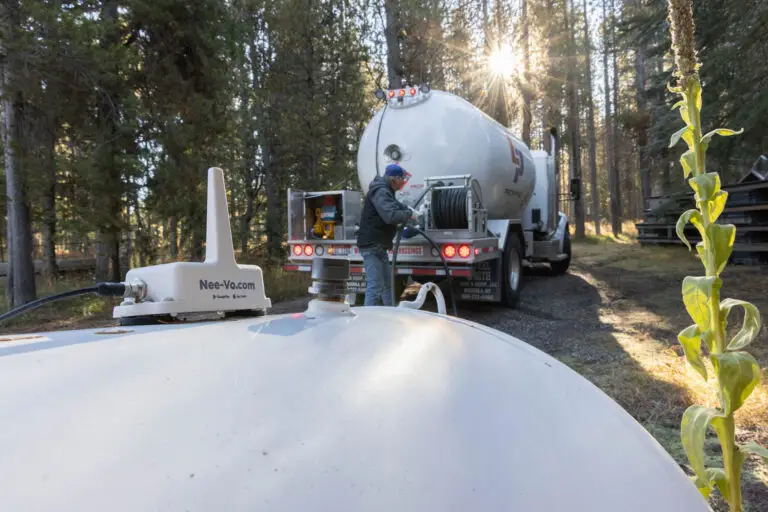
Remote monitoring equipment sends immediate tank-level alerts to your smartphone, enabling you to monitor fuel levels from wherever you are. Many propane providers offer these for free or at a low cost to long-term customers.

How to Protect Your Home From Propane-Related Risks While Away

Even though your propane system is operating at a limited capacity, your house still requires safeguards against potential hazards. A few simple steps can help prevent fires, leaks, and other dangers.

Secure your doors and windows to minimize the risk of unauthorised access to the propane tank or appliances. Be sure to insulate your water pipes to avoid freezing if your heating system runs on a low setting. Install smart cameras for your home or sensors to keep an eye on your propane and property from a distance.

Outside, be sure the propane grills are removed, secured, and stored far enough away from the siding and wooden structures. When leaving during the stormy season, be sure to secure any loose outdoor objects that could hit the tank during high winds.

What to Do With Propane-Powered Outdoor Equipment Before Traveling

Propane heaters, propane grills, patio torches, and generators must be shut down properly to avoid accidental ignition or fuel burning out. Separate propane cylinders and portable grills and place the cylinders upright in a shaded, air-conditioned space. Shut off the outside shut-off valves for fireplaces and check that the burner surfaces are cool and clear.

Travelers in winter should remove snow and ice from vents or tank routes before leaving to ensure safe airflow and avoid regulator freeze-ups. For owners of generators, conduct an oil test, a gas inspection, and check the system for stability to ensure it is functioning properly before shutting down.

Should You Shut Off Your Main Propane Supply Before Vacation?

When traveling on short-term trips, keeping the main supply off is generally safe, especially if heating or water heaters need to run. For long-term vacations, however, cutting off the main supply could be the safest option.It reduces the risk of leaks, averts unnecessary fuel use, and safeguards appliances from failing when no one is home. Make sure to consult your propane supplier about your specific appliance and the local climate before making a decision. They’ll be able to guide you on the best practices to follow based on your device’s specifications.Making sure your propane system is ready for travel not only helps protect your home but also provides peace of mind when you’re away. By taking the proper steps, from checking appliances to tank prep to tank preparation, you’ll be able to ensure that your property is secure as well as efficient until you come back.

BLAZING BLOGS

How to Prepare Your Propane System Before Leaving for Vacation | LP Propane

The Carbon Lifecycle of Propane

The Carbon Lifecycle of Propane Propane has gained a reputation as a more eco-friendly, low-carbon alternative to diesel, gasoline, and coal-based electricity. What is its performance over its whole carbon-based lifecycle? To fully understand propane’s environmental character, you must analyze
Read More »
How to Prepare Your Propane System Before Leaving for Vacation | LP Propane

The Cost Benefits of Propane for Fleet Vehicles

The Cost Benefits of Propane for Fleet Vehicles Managing a fleet is costly. From rising fuel and maintenance costs to unpredictable maintenance expenses, the fleet manager is constantly seeking ways to lower expenses without sacrificing fleet quality or reliability. It’s


Read More »
How to Prepare Your Propane System Before Leaving for Vacation | LP Propane

JOIN THE IGNITE PROGRAM

NEW CUSTOMER? Fill out the New Customer Application to join IGNITE.

Haven’t heard of our IGNITE Program? Learn more!
This field is for validation purposes and should be left unchanged.
Name(Required)
Service Address(Required)
AAP Agreement(Required)
You will be contacted by a Customer Service Representative to obtain your credit card information.
MM slash DD slash YYYY

State Fair Giveaway

$500 Worth of Propane

Be one of the first 200 New Customers to sign-up until September 15th to get $500 worth of propane, FREE! You’ll also get 1 year free tank rental when you switch!