How to Avoid purchasing a house with Propane Heating


A home equipped with propane heating requires careful assessment, since propane systems operate differently from electric or natural gas systems. The buyer must be aware of the tank’s ownership, the efficiency of the appliances, the supplier’s accessibility, safety rules, maintenance, and the long-term cost before they commit to purchasing. Propane is an extremely efficient fuel that powers heating units and kitchens, water heaters, generators, and fireplaces, but only if the equipment is properly maintained, installed, and checked. In its absence, you might face unexpected fuel bills due to outdated equipment or tank issues.

Propane-heated houses are popular in both suburban and rural areas, making them a safe alternative when natural gas pipelines aren’t available. Most buyers like the responsive warmth, the robust performance in colder temperatures, and the ability to use gas appliances without dependence on public utility pipelines. Yet homeowners who are new to the process neglect important details, such as the condition of their tank, buried tank permits, the efficiency rating, delivery dates, and the true costs of seasonal fills.

This article offers a comprehensive, structured explanation of what you need to know before purchasing an apartment powered by Propane Heat. By examining these aspects and asking the right questions, you will be able to confidently decide whether the property meets your budget, comfort, and safety requirements.

How to Avoid purchasing a house with Propane Heating | LP Propane

Important Considerations to Make When buying a home heated by Propane

Ownership of Tanks

Before anything else, you must determine whether your propane tank is privately owned or leased. Ownership tanks allow the flexibility of leasing and can provide long-term savings. Leased tanks bind you to the terms of the lease, including rental charges and a single supplier. Always request documentation.

Tank Dimensions and Capacity

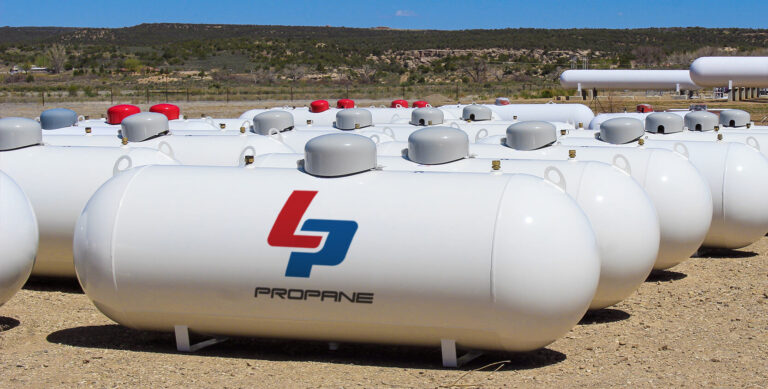
Verify the tank’s precise dimension typically between 100 and 1,000 Gallons. Larger tanks reduce delivery frequency. The tank size must be proportional to the size of the propane appliances and to your home’s total heat load.

Tank location and condition

Examine whether tanks are above ground or submerged. Tanks that are buried require protection against corrosion, annual inspections, and occasional maintenance. Verify for damage, rust, and moisture exposure to the regulator’s condition.

Propane Supplier Options

Check out the number of suppliers that serve the region you reside in. The limited options could lead to higher costs. Find out about pricing options, including fixed rates, price caps, market pricing, and pre-buy plans.

Appliance Efficiency

Propane-fueled water heaters, furnaces, stoves, and dryers must be inspected for their condition and effectiveness.

Check for safety and ventilation

Before purchasing, a licensed technician will inspect each line, as well as connectors, regulators, and exhaust vents for air intake, and carbon monoxide detectors. Proper ventilation is vital to combustion safety.

Understanding tank ownership, appliance efficiency, and safety inspections is essential before purchasing a house equipped with Propane Heat

Pros and Cons of Buying an Energy-efficient Home

Advantage: High Heating Performance

Propane Heat provides consistent, strong warmth and can be effective even in cold temperatures. This makes it ideal for areas with more frigid temperatures.

The benefit is Multi-Appliance Capability.

Propane powers multiple appliances, such as fireplaces, furnaces, dryers, stoves, and generators. Using a single fuel source increases the convenience of your home and its resilience.

The benefit is Efficiency in Energy Efficiency.

Modern propane appliances have high efficiency ratings and often surpass older oil- or electric-powered equipment. It makes heating more cost-effective over time.

Advantage: Costs for maintenance

Propane systems must be inspected annually for regulators, regulator replacements, and appliance service. Inadequate maintenance can lead to safety hazards and fuel waste.

A disadvantage: Price fluctuations

The price of Propane rises during the winter months and is subject to market conditions. The annual budgeting process requires an awareness of the seasonal changes.

A disadvantage: Delivery dependent

Because propane delivery is dependent on truck deliveries, weather disruptions or supply shortages may temporarily affect supply if the tank becomes too low.

What Questions Buyers Should Ask

Who owns the Propane Tank?

Ownership can affect flexibility, pricing, and supplier options. Always obtain paperwork and check that the tank is transferred to the home.

What are the annual fuel prices?

Get the seller’s annual propane use and delivery receipts. It will allow you to estimate your season costs and compare them with expected consumption.

How old are heating and Hot Water Systems?

Furnaces older than 15 years and water heaters older than 10 years could need to be replaced within the next few years. Modern systems offer better performance and less fuel consumption.

What was the date of the last System Inspection?

A thorough inspection of your propane system ensures that regulators, lines, vents, and valves are in good condition. Get service reports and the technician’s reports.

Do you have any supplier contracts that are in place?

A few homeowners opt for automated delivery or fixed-price agreements. Find out whether these contracts can be transferred or terminated.

Are the tanks compliant with Local Codes?

Local laws require particular distances between properties, structures, and even ignition sources. Check that the tank complies with all applicable standards.

Assessing Costs, Installation, and Potential Upgrades

Heating expenses are based on your home’s dimensions, temperature, insulation, quality, and the number of propane-powered appliances. Examine your historical usage to establish precise fuel budgets.Propane systems should be maintained annually, including filter changes, regulator inspections, and leak inspections.The older tanks might require replacement, particularly if corrosion, regulator fatigue, or faulty safety valves have been discovered. A newer tank improves reliability.Moving to high-efficiency propane furnaces or a tankless water heater reduces gasoline consumption and improves efficiency.Some buyers are considering switching to electric power and natural gas. Changes to electricity or natural gas require installing new appliances, running gas lines, or changing ventilation systems.Better insulation reduces propane consumption. You can consider upgrading windows, sealing air leaks, and installing insulation in the attic and crawl spaces.

Extra Considerations for Long-Term Homeownership

Propane Heat is dependable and efficient and can power numerous home appliances; however, the longevity of comfort depends on how you control its use, ensure regular maintenance, and track your system’s performance. The homeowners benefit by choosing trusted suppliers, registering in the right delivery plan for their needs, and being alert to inspections. When properly cared for, the propane heating system provides high-quality comfort and reliability with no unexpected problems.

Conclusion

A house with Propane Heat can be an ideal investment if you understand the obligations that come with the purchase. Tank ownership, maintenance equipment history, equipment condition, supply availability, and long-term fuel budgeting are key factors that determine whether the property is a suitable choice for you and your needs. Take the time to carefully examine the tank’s efficiency, review evaluations, request inspection reports, and understand the delivery terms. You will gain clarity and confidence when making a purchase. Properly maintained propane tanks deliver robust heating performance, durable appliance performance, and long-term value. By preparing properly, it is possible to enjoy secure, effective, cost-effective, and efficient propane-based comfort for years to come.

BLAZING BLOGS

JOIN THE IGNITE PROGRAM

NEW CUSTOMER? Fill out the New Customer Application to join IGNITE.

Haven’t heard of our IGNITE Program? Learn more!
This field is for validation purposes and should be left unchanged.
Name(Required)
Service Address(Required)
AAP Agreement(Required)
You will be contacted by a Customer Service Representative to obtain your credit card information.
MM slash DD slash YYYY

State Fair Giveaway

$500 Worth of Propane

Be one of the first 200 New Customers to sign-up until September 15th to get $500 worth of propane, FREE! You’ll also get 1 year free tank rental when you switch!