How Long Propane Tanks Last Before Replacement

Propane tanks play a critical role in many households and commercial properties, serving as a source of energy for heating, cooking and other uses. Whether above ground or below, these tanks are designed to hold fuel safely and effectively for extended periods of time. But as with any appliance, propane tanks have a lifespan and need to be replaced. Knowing how long a propane tank will last is crucial for maintaining safety and managing costs. But customers are often uncertain about how long their tank will last, and when to replace it. There are a number of variables at play, such as tank type, weather, and maintenance. Understanding these factors can help you plan accordingly and avoid unexpected problems.

How Long Propane Tanks Last Before Replacement | LP Propane

Average Lifespan of Propane Tanks

Above-Ground Tank Lifespan

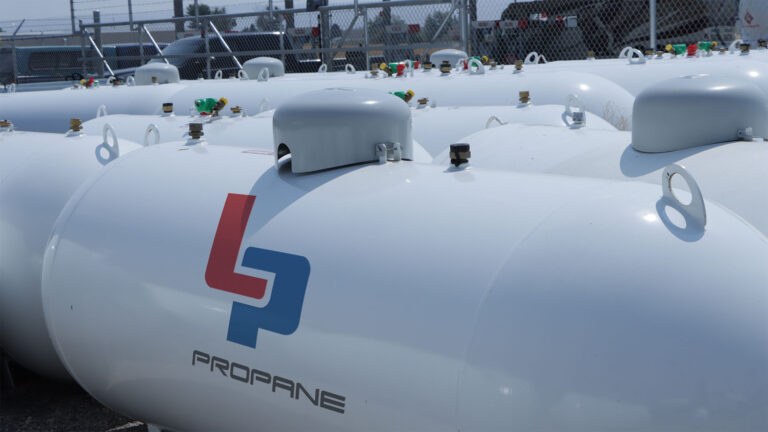
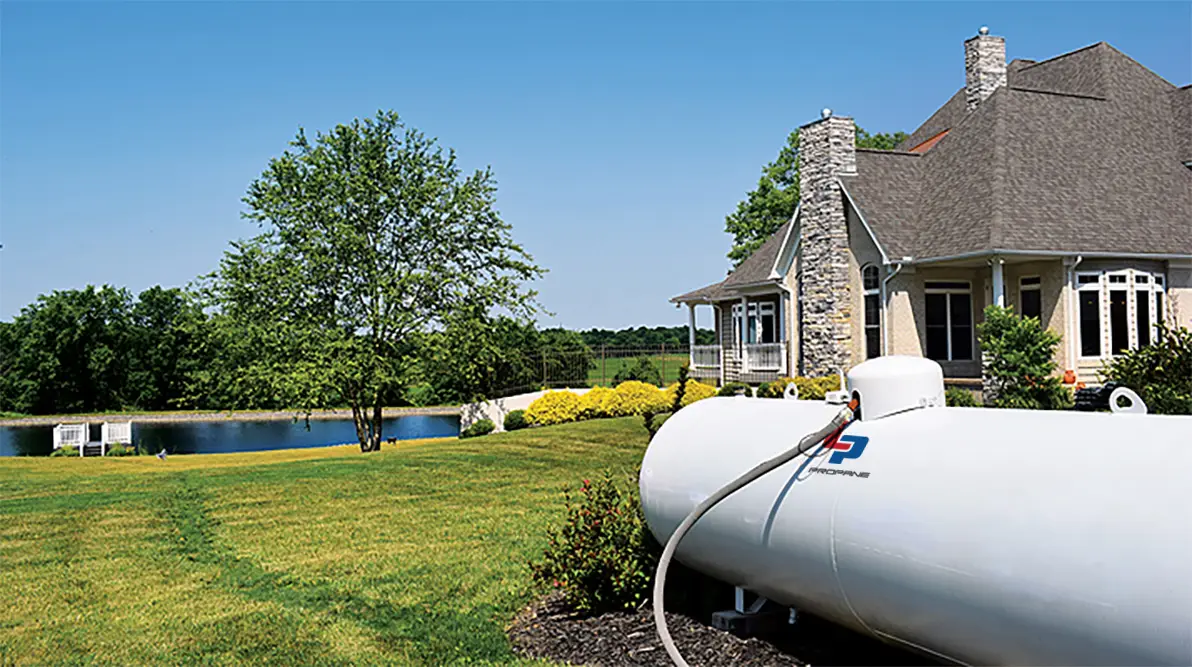
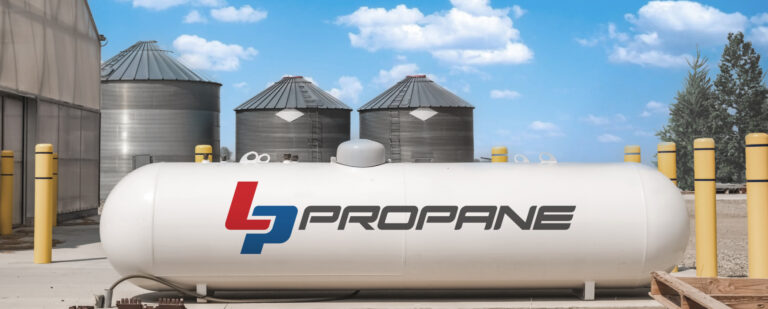
The lifespan of an above-ground propane tank is around 20 to 30 years. Above-ground tanks are more accessible for inspection and maintenance. With proper care, they can last longer, and with poor maintenance, they can wear out sooner. Other factors, such as exposure to sunlight and weather, can affect their lifespan.

Underground Tank Lifespan

Properly installed and protected underground propane tanks can last 30 years or longer. The tanks are coated to avoid corrosion. But soil and moisture conditions can impact their lifespan. Regular maintenance and checks are crucial for longevity.

Portable Tank Lifespan

Portable propane tanks (e.g. for grills) generally have a lifespan of 10 to 15 years. They are more often handled and refilled, leading to potential damage. Inspection and recertification ensure their safe operation.

Impact of Usage Frequency

The frequency of tank use may affect lifespan. Tanks used more often may be subject to greater wear than tanks used less often. But frequent use doesn’t necessarily lead to a shorter lifespan if the tank is well maintained. Maintenance is key.

Manufacturing Quality

Manufacturing quality and material is essential. Good quality tanks are designed to handle pressure and environmental factors. A high-quality tank can lead to a longer lifespan and improved performance.

Maintenance and Care

Regular maintenance plays a crucial role in the lifespan of a propane tank. Cleaning, inspecting and fixing small problems can prolong its life. Failure to maintain tanks can result in corrosion, leaks, and premature replacement.

Know your tank’s lifespan to stay ahead of replacements!

Factors That Affect Propane Tank Longevity

Exposure to Weather Conditions

Weather elements like sun, rain, snow, and temperature fluctuations affect outdoor tanks. These can lead to deterioration. Coatings and location minimise wear and tear. Periodic inspections are recommended.

Corrosion and Rust

Rust is a major problem for propane tanks. It’s caused by exposure to moisture and the elements. This can compromise the tank’s integrity. Corrosion can be prevented with coatings and maintenance.

Soil Conditions for Underground Tanks

Soil conditions are crucial for buried tanks. Acidic and wet soil can corrode. Good installation practices with barriers can prolong life. Soil testing is important for safety.

Quality of Installation

This guarantees the tank is installed safely. Incorrect installation can cause structural strains. It minimises risks and enhances longevity. It also meets safety regulations.

Frequency of Inspections

Frequent inspections detect problems. Early signs of rust and leaks can be identified. Routine inspections ensure tank integrity. Early intervention extends lifespan.

Physical Damage

Propane tanks can be damaged by impacts or accidents. Dents, cracks, or damage can shorten their life. It’s important to prevent damage. Barriers and placement can avoid damage.

When to Replace Your Propane Tank

Visible Rust and Corrosion

Excessive rust and corrosion indicate wear. It could be repaired if it’s light, but heavy corrosion weakens the tank. Severe corrosion requires replacement. This can be prevented through inspection.

Dents or Structural Damage

Dents or cracks can pose safety risks. Damage can impact tank stability over time. Damage should be assessed by experts. Often the best course of action is to replace the tank.

Frequent Leaks or Repairs

Frequent repairs can be a sign that a tank is reaching the end of its useful life. Frequent leaks suggest problems. Repairing an old tank could be expensive. Replacement ensures reliability.

Expired Certification

Recertification is needed for portables. If a tank does not pass inspection or it’s due for recertification, it needs to be replaced. Certification ensures safety and compliance. Keeping track of dates is important.

Reduced Performance

Performance issues may stem from internal problems. Erratic fuel flow or low fuel pressure may indicate worn components. These issues can affect appliance efficiency. Replacement might be needed to improve efficiency.

Outdated Safety Standards

Older tanks may not comply with safety regulations. A new tank will meet current standards. Newer tanks have enhanced safety features. This enhances overall system reliability.

Importance of Regular Inspection and Maintenance

Proper maintenance and inspection are crucial for maximizing the service life of propane tanks. Inspection can detect problems early and prevent them from escalating. This helps ensure that tanks are safe and reliable for as long as possible. Regular maintenance also enhances efficiency and prevents unexpected breakdowns. Regular cleaning, painting and repair work can help prolong the lifespan of the tank. Inspections by professionals ensure added safety and efficiency, with all parts functioning correctly.

When to Replace vs Repair a Propane Tank

The choice to repair or replace a propane tank is based on the problem. Small issues, such as surface rust or minor repairs can be repaired. But severe wear, damage or recurring problems often warrant replacement. Cost is another important factor. The cost of frequent repairs can accumulate, making replacement more economical over time. Ultimately, safety is paramount. Replacing the tank ensures greater reliability and security. Moreover, modern tanks may offer new safety enhancements and improved durability, leading to better system efficiency. Considering short-term solutions and long-term gains is crucial. 

Knowing When to Replace Your Propane Tank

Knowing the lifespan of propane tanks ensures you’re prepared for replacement and have a reliable energy source. Although tanks are designed to have a long lifespan, this can vary based on factors like maintenance, weather, and how you use the tank. Being vigilant about signs of wear and regular inspections can help prolong the tank’s lifespan and prevent unexpected problems. Regular maintenance enhances safety and efficiency. Timely replacement of propane tanks is crucial for safety and efficiency. By taking the right steps, you can keep your propane system running safely and efficiently for many years, ensuring reliable energy supply. 

BLAZING BLOGS

How Long Propane Tanks Last Before Replacement | LP Propane

How to Budget Monthly for Propane Heating

How to Budget Monthly for Propane Heating Heating is a critical aspect of home comfort, particularly in the winter when demand for energy rises. For propane users, developing a budgeting plan can have a big impact on managing costs and

Read More »

State Fair Giveaway

$500 Worth of Propane

Be one of the first 200 New Customers to sign-up until September 15th to get $500 worth of propane, FREE! You’ll also get 1 year free tank rental when you switch!

JOIN THE IGNITE PROGRAM

NEW CUSTOMER? Fill out the New Customer Application to join IGNITE.

Save $0.05 Per Gallon with the IGNITE Program Learn more!

This field is for validation purposes and should be left unchanged.
Name(Required)
Service Address(Required)
AAP Agreement(Required)
You will be contacted by a Customer Service Representative to obtain your credit card information.
MM slash DD slash YYYY