Why Propane Is One of the Most Dependable Heating Fuels in Rural America

Purchasing a new house is a big undertaking, and with it comes the burden of understanding how your home’s energy systems operate. Propane might be a new product to many new homeowners, particularly if the former owners were used to electricity or natural gas. Inquiries about security, storage, and normal use are all common. The encouraging fact is that propane is among the most regulated and safest fuels available to residents. Propane offers reliable energy with no additional risk when it is properly installed, people have basic knowledge, and it is properly maintained. This is a beginner’s guide that takes homeowners through the basics of propane safety, so you can be on the first day with all the information you need and feel knowledgeable and at ease.

A Beginner’s Guide to Propane Safety for New Homeowners | LP Propane

The Basics of Propane Safety

What Propane Is and Why It Is Safe

Propane is a clean fossil fuel in liquid form, pressurized and used to produce gas. Residential heating, cooking, water heating, and appliances have been safely heated using it for decades. Propane is highly predictable due to its chemical stability and current storage technology, and therefore, it is very safe when stored properly.

Why Propane Has a Strong Smell

Propane is an odorless gas, but an odorant, ethyl mercaptan, is added to make leaks easier to detect. This deliberately intense smell enables homeowners to detect even minor leaks before propane reaches dangerous levels, providing a vital early warning mechanism.

How Propane Is Stored at Your Home

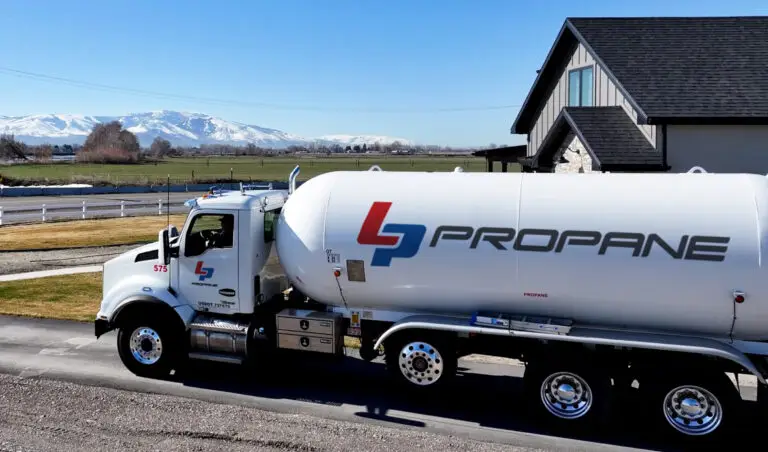
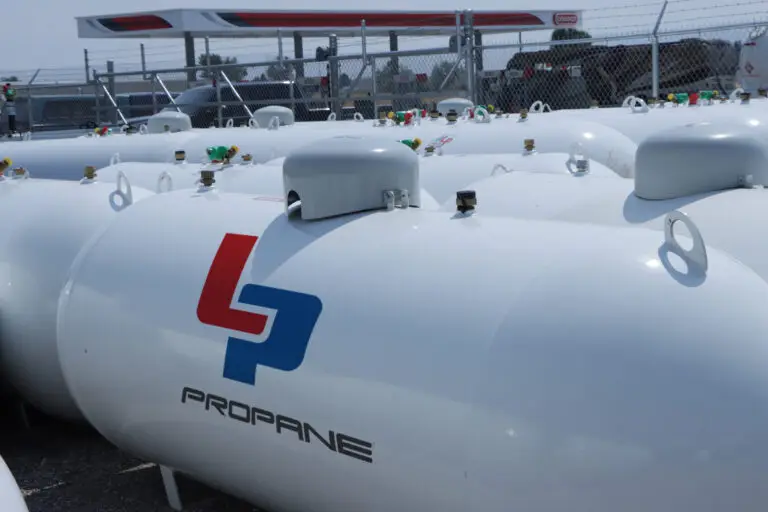
The residential propane tanks are constructed of heavy-duty steel and are designed to resist pressure, extreme temperatures, and weathering. Both on the surface and underground tanks are closed systems that prevent fuel contamination and leakage under normal conditions.

The Effect of Pressure and Temperature

Propane expands and contracts with changes in temperature, which is why tanks should never be filled to the brim. Safety valves are built-in devices that automatically control pressure changes and emit very little vapor safely if the internal pressure exceeds the acceptable limit.

​Why Propane Doesn't Go Bad

Propane does not deteriorate over time, unlike gasoline or diesel. It does not oxidize, separate, or lose its efficiency, so it is best for long-term storage and for use during a specific season without any safety requirements.​

The Importance of Professional Installation

Certified propane technicians ensure that the tanks are laid correctly, the regulator is installed, and the appliances are connected. Professional installation reduces the risk of leakage and ensures proper pressure control and compliance with safety codes.

A safe home begins with understanding how propane works.

​Safety on the Daily Use of Propane Appliances

​Adhere to Manufacturer Directions

All propane appliances come with operating instructions. Opening as instructed by the manufacturer will ensure proper airflow, ignition, and shutdown, helping ensure safe and efficient operation.

​Keep Appliances Well Ventilated

​Propane-fueled appliances should vent exhaust gases to the open air. Clogged vents or flues lead to incomplete combustion, thereby reducing efficiency and posing safety hazards. Openings of vents should be maintained.

​Do Not Alter Propane Equipment

Trying to regulate valves, regulators, or appliance parts without education will undermine safety. Misalignment of pressure can easily lead to combustion and pressure imbalance, posing a risk of malfunction.

Use Appliances Only for Their Intended Purpose

Propane grills, fire pits, and patio heaters are all utilities that cannot be used indoors. They do not work in confined areas and easily generate harmful gases when used incorrectly.

Observing Pilot Lights and Flames

A natural propane flame is blue and flickers little. Soot accumulation, flames of yellow or orange color, or strange sounds can be a sign of incomplete combustion and can be examined immediately.

Schedule Routine Maintenance

Frequent annual checks of the equipment by licensed specialists help identify minor problems before they become safety issues. Maintenance enhances efficiency, extends appliance life, and promotes safer use.

​Propane Leaks Identification and Response

Recognizing the Smell of Propane

The extra propane odor is your initial point of defense. A slight smell must not be overlooked, either in the house or in the immediate vicinity of the tank.

​Immediate Steps to Take

When you suspect a leak, move out of the area as soon as possible and ensure that the rest of the people do the same. The most appropriate response is to maintain a distance until professionals arrive.​

Shut Off the Propane Supply If Safe

If the propane tank is available and there is no strong odor, turn the main shutoff valve clockwise to stop the gas flow. Do not do it in case the circumstances are unsafe.

Avoid Flames and Electrical Devices

Turn off phones, light switches, garage door openers, and any other devices that could produce a spark. Propane can also burn under certain conditions, even when it is in the form of static electricity.

Call Your Propane Provider

When you are safe, call your propane company or the police. They are trained to identify leaks, repair systems, and reinstate safety.

Do Not Re-Enter Until Cleared

Do not go back to your house until professionals give it the go-ahead. Effective testing of the appliances and the leak is needed to verify that the leak is sealed and that the appliances are operating properly.

Propane Safety Around Tanks and Outdoor Areas

Propane tanks placed outside should be maintained at all times to ensure they are safe and within reach. Valves and regulators should be easily inspected by technicians, ensuring there is always an unobstructed view of the tanks. Maintain grasses; remove snow and debris from tank elements. Parking cars around tanks or keeping flammable materials should be avoided. When it is necessary, safe deliveries, inspections, and emergency response are supported by proper outdoor maintenance.

​Carbon Monoxide Awareness and Prevention

The safety of carbon monoxide (CO) is inextricably linked with the performance of propane appliances. Whereas propane is cleanly burned, equipment failures or ventilation issues can result in CO production. Install carbon monoxide detectors on each floor of your house and near the bedrooms. Frequent check-ups and well-maintained vents greatly reduce the risk of CO, so indoor air can be safe year-round.​

Getting Your Homes Ready Against Seasonal Propane Hazards

Propane safety is influenced in various ways by seasonal changes. The snow and ice may cover vents, regulators, and tank access points in the winter. Most importantly, maintaining these areas clean ensures safe operation and continuous deliveries. During the warmer seasons, outdoor appliances must be checked for wear and tear, hose damage, or loose connections. Checking the propane levels and the condition of the system offers a bonus of peace of mind before long trips or unfavorable weather.This is because propane safety does not require any special knowledge; it just requires some level of awareness, regular maintenance, and respect for the system. For new homeowners, understanding propane use, recognizing warning signs, and maintaining equipment builds confidence and control. Propane provides reliable energy with no extra concerns, thanks to professional installation, frequent maintenance, and easy daily routines. On the one hand, propane can be a safe, reliable, and comfortable part of your home when used responsibly for many years.

BLAZING BLOGS

A Beginner’s Guide to Propane Safety for New Homeowners | LP Propane

JOIN THE IGNITE PROGRAM

NEW CUSTOMER? Fill out the New Customer Application to join IGNITE.

Save $0.05 Per Gallon with the IGNITE Program Learn more!

This field is for validation purposes and should be left unchanged.
Name(Required)
Service Address(Required)
AAP Agreement(Required)
You will be contacted by a Customer Service Representative to obtain your credit card information.
MM slash DD slash YYYY

State Fair Giveaway

$500 Worth of Propane

Be one of the first 200 New Customers to sign-up until September 15th to get $500 worth of propane, FREE! You’ll also get 1 year free tank rental when you switch!